
Can You Learn How to Ride a Bike? 6 Easy Steps to Avoid Falls
Yes, you can learn how to ride a bike at any age. Start on a flat, quiet place with a bike that fits you. Lower the seat so both feet can touch the ground. Learn to balance first, then add pedalling.
Riding feels hard at first, but it is a skill, not a talent. Your body needs time to learn balance, steering, and braking together. If you try to pedal before you can balance, you will wobble and fall. If you learn balance first, pedalling feels much easier later.
Bikes have helped people move for more than two hundred years. The first bicycle, the draisine, was built by Karl Drais in 1817. The League of American Bicyclists was founded in 1880. The first Tour de France was held in 1903.
[SNIPPET TARGET] To learn how to ride a bike, pick a bike that fits and lower the seat so both feet touch the ground. Scoot along with your feet to learn balance first. Then put your feet on the pedals, look ahead, and pedal in a smooth, steady way. Squeeze both brakes gently to stop, and step off with one foot first.
ANSWER BOX 1
The fastest way to learn is to balance first and pedal second. Lower the seat and scoot along with your feet. Push off, lift your feet for a few seconds, and coast. When you can coast in a straight line, add the pedals.
ANSWER BOX 2
To avoid falls, ride slow, look ahead, and brake gently with both brakes. Keep both hands on the bars, and keep your weight low and centred. Never grab only the front brake, because that can throw you forward. If you feel a wobble, put one foot down and start again.
KEY TAKEAWAYS
- Adults can learn to ride a bike in a few short sessions.
- Learn balance first by scooting, then add pedalling.
- Pick a bike that fits, lower the seat, and wear a helmet.
- Look ahead, not down, and keep your speed slow.
- Brake gently with both brakes, and put one foot down first.
- Practise on flat, quiet ground, and stop before you get tired.
Contents
- Why learning to ride feels hard at first
- What you need before your first ride
- 6 easy steps to ride a bike without falls
- Your first 30 minutes: a practice plan
- How to avoid falls while you learn
- 7 mistakes that cause most beginner falls
- How long does it take to learn to ride a bike?
- FAQ
Why Learning to Ride Feels Hard at First
Learning feels hard because your brain must learn three jobs at once. You must balance, steer, and pedal, and each job pulls your focus away. Your body has no set pattern for it yet, so every move feels new and shaky. This is normal, and it does not mean you cannot learn.
What You Need Before Your First Ride
You need only a few things to start, and none must be costly. A bike that fits you is the most vital item, so check the size first. A helmet is a must, and it must fit snug on your head. Closed shoes, comfy clothes, and a flat, quiet place complete the list.
Bike size matters more than bike price, and a bike that is too big will scare you. Stand over the top tube with both feet flat on the ground. You should have a small gap between you and the tube. When you sit on the seat, both feet should touch the ground with bent knees.
Check the bike before you ride. Squeeze both brakes, check the tyres feel firm, and wear a helmet that sits level. For another skill that grows with calm steps, see our guide on how to learn quickly.
| Item | Why it matters | What to check |
|---|---|---|
| Bike that fits | Too big makes balance hard | Both feet touch the ground |
| Helmet | It shields your head in a fall | It sits level and feels snug |
| Closed shoes | They grip the pedals well | Laces tied, soles flat |
| Flat, quiet place | Fewer cars and bumps | Empty car park or park path |
| A helper | A calm friend can walk beside you | Someone patient and calm |
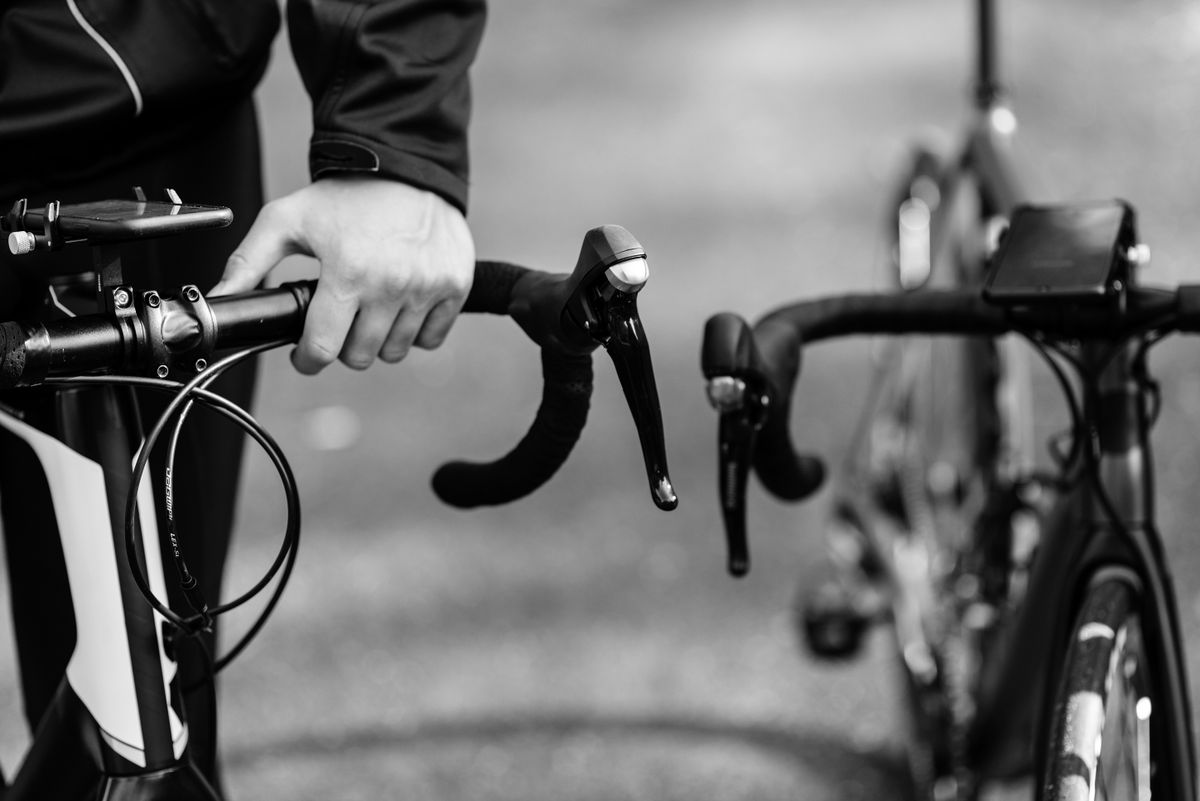
6 Easy Steps to Ride a Bike Without Falls
These six steps run in order, so do not skip ahead. Each step teaches one skill, and the next step builds on it. Spend as much time as you need on each step. Move on only when the step feels calm and steady.
Step 1: Set the Bike Up for Learning
Lower the seat so both feet can touch the ground flat. This is lower than a normal seat, and that is fine for now. You will raise it later, once you can ride.
Step 2: Learn to Balance by Scooting
Sit on the bike, hold both handlebars, and walk it forward with your feet. Push off gently, lift both feet for a few seconds, and coast straight. Look ahead, not down, and let the bike roll. When it slows, put your feet down and push off again.
Step 3: Put Your Feet on the Pedals
When you can coast well, put the pedals back on. Raise the seat a little, but keep it low enough to touch the ground. Place one pedal up, put one foot on it, and push down to start.
Step 4: Pedal in a Straight Line
Pick a straight path and ride along it, slow and steady. Look at a point ahead, and keep the bike aimed at it. Pedal in a smooth, even way, and do not rush the speed.
Step 5: Learn to Stop Safely
Stopping well is as vital as riding, so learn it early. To stop, squeeze both brakes gently at the same time. Keep your eyes ahead, and keep the bike straight as it slows.
Step 6: Turn, Start Again, and Ride on Your Own
To turn, slow down first, look where you want to go, and steer in a gentle arc. Lean a little into the turn, but keep the turn wide and slow. Do not turn sharp at speed, because that is when most falls happen. To start again, put one pedal up, push down, and pedal away straight.
Your First 30 Minutes: A Practice Plan
Minutes 0 to 5 are for setup and a calm start. Check the bike, lower the seat, and put your helmet on. Walk the bike to your start point, and sit on it with both feet down. Take a few deep breaths, look ahead, and feel the bars in your hands.
Minutes 5 to 15 are for scooting and balance. Scoot along, coast, and put your feet down. Repeat the scoot and coast again and again. Try to coast a little longer each time, and keep your eyes ahead.
Minutes 15 to 25 are for your first pedals. Put the pedals on, raise the seat a little, and start with one pedal up. Push down, place the other foot on, and pedal in a straight line. Ride short runs first, then stop gently with both brakes.
Minutes 25 to 30 are for a calm finish. Ride one slow loop if you feel ready, then stop and step off. Stretch your legs, drink some water, and note what felt good. Write down one thing to practise next time, such as longer coasts or softer stops.
How to Avoid Falls While You Learn
Falls happen most when speed, fear, and bad braking meet, so control all three. Ride slow, stay calm, and brake with both brakes at once. Keep your hands on the bars, and keep your weight low and centred on the seat. Look ahead, not down, and pick a smooth, flat path with no loose gravel.
Braking is the skill that stops most falls, so learn it with care. Squeeze both brakes at the same time, and squeeze gently, not hard. The back brake slows you down, and the front brake adds more stop with it. If you squeeze only the front brake, the wheel can stop fast and send you over the bars.
Choose the right place, and half the fall risk goes away. A flat, empty car park is best for the first days. Avoid wet paths, loose gravel, steep hills, and busy roads while you learn.
For a skill that also needs calm hands, see our guide on how to iron a shirt. It shows how slow, even moves beat fast, rough ones. The same rule holds on a bike, where calm wins every time.
7 Mistakes That Cause Most Beginner Falls
These seven mistakes cause most beginner falls, and each one is easy to avoid. Read the list before your next ride, and check yourself against it. A small change in how you ride can stop a fall before it starts. Most falls come from one of these habits, not from bad luck.
- Looking down at the front wheel. Your body follows your eyes, so looking down turns the bike. Look ahead at a point on the path instead.
- Gripping the bars too hard. A tight grip shakes the bike and stops small steering moves. Hold the bars soft, like you hold a cup.
- Grabbing only the front brake. The front brake alone can stop the wheel fast and throw you forward. Use both brakes together, gently, every time.
- Raising the seat too soon. A high seat stops you from putting a foot down fast. Keep the seat low until you can ride, turn, and stop with ease.
- Pedalling too fast too soon. Speed feels fun, but it makes turns and stops hard. Stay slow while you learn, and add speed only when control feels easy.
- Turning sharp at speed. A sharp turn at speed can slide the front wheel and drop the bike. Slow down first, then turn wide and smooth.
- Riding tired or on a bad path. Tired legs and a wet, rough path raise the fall risk fast. Stop when you feel tired, and pick flat, dry ground.
If you catch one of these mistakes, slow down and reset. Our guide on how to tie a scarf shows how a small change in method can change the whole result.
How Long Does It Take to Learn to Ride a Bike?
Most adults learn the basics in three to five short sessions, and kids often learn faster. A session means 30 minutes of calm practice, not hours of hard work. If you practise three times a week, most people ride on their own in one to two weeks. Some learn in a single day, and some need a month.
Set small goals for each session, such as ten-second coasts on day one and turns on day three. The League of American Bicyclists supports new riders with classes and guides.

How to Ride a Bike FAQ
Can an adult learn how to ride a bike?
Yes, an adult can learn at any age, and many do. Start with the balance-first method in this guide, and practise on flat, quiet ground.
How do I learn to ride a bike without falling?
Ride slow, look ahead, and brake gently with both brakes. Keep the seat low so you can put a foot down fast.
What is the easiest way to learn to ride a bike?
Learn balance first and pedal second. Lower the seat, scoot along with your feet, and coast in a straight line.
How do I balance on a bike for the first time?
Sit on the bike, hold both bars, and scoot with your feet. Push off, lift your feet for a few seconds, and coast.
Should I use training wheels to learn to ride a bike?
Training wheels can help a young child, but they do not teach balance well. A balance bike is a better choice for a child, because it teaches balance from the start.
What size bike do I need to learn to ride?
You need a bike that lets both feet touch the ground when you sit on it. Stand over the top tube with both feet flat, and check for a small gap.
How do I stop a bike without falling?
Squeeze both brakes gently at the same time, and keep the bike straight. As it slows, put one foot down on the ground.
How do I turn a bike without falling?
Slow down before the turn, look where you want to go, and steer in a wide, smooth arc. Lean a little into the turn, but keep the lean small.
Why do I keep falling off my bike?
You may be looking down, gripping the bars too hard, or going too fast. You may also be braking with only the front brake, or turning sharp at speed.
How long does it take to learn to ride a bike?
Most adults learn the basics in three to five short sessions of about 30 minutes each. If you practise three times a week, most people ride on their own in one to two weeks.
Is it harder to learn to ride a bike as an adult?
It can feel harder, because adults fear falling more than kids do. That fear makes the body stiff, and a stiff body cannot balance well.
Where is the best place to learn to ride a bike?
The best place is a flat, empty car park or a wide, quiet park path. The ground should be smooth, dry, and free of cars.
Final Word
You can learn how to ride a bike, and you can do it without many falls. Start with a bike that fits, lower the seat, and wear a helmet. Learn balance first by scooting, then add pedals when you can coast. Look ahead, ride slow, and brake with both brakes. For a skill that also grows step by step, our guide on how to read guitar tabs is a good next read.
Read more about bicycles on Wikipedia: https://en.wikipedia.org/wiki/Bicycle