
In the realm of practicality and versatility, nothing quite compares to the utility of multi-tools. These compact devices, equipped with various functionalities, have become essential companions for adventurers, hikers, and handy folks alike. In this comprehensive guide, we’ll delve into the world of multi-tools, exploring their benefits, features, and how to choose the best one for your needs.
The Emergence of Multi Tools
Multi-tools have been around for centuries in various forms, but their modern incarnation can be traced back to the Swiss Army Knife – a compact device equipped with a variety of tools designed for soldiers. Fast forward to the present day, and we’ve seen the evolution of this concept into a plethora of multi-tools, each with its unique set of features and capabilities.
From the wilderness survivalist to the urban DIY enthusiast, multi-tools cater to a wide range of users. Their popularity stems from their ability to offer a multitude of functions in one compact, portable device. Whether you need a knife, pliers, screwdriver, or bottle opener, a multi-tool has you covered.
Understanding Multi-Tools: The Basics
Multi-tools are essentially a set of tools combined into one compact device. Despite varying in size and complexity, most multi-tools include a selection of the following:
- Pliers: Used for gripping, bending, and cutting wires.
- Knife: Essential for cutting tasks.
- Scissors: Handy for cutting paper, fabric, and other thin materials.
- Screwdrivers: Both flat-head and Phillips-head varieties for various fastening tasks.
- Wire Cutters: Useful for cutting wires and cables.
- Bottle Opener: A must-have for any outdoor adventure.
The Power of Pliers: A Key Component
A central component in many multi-tools is a sturdy pair of pliers. Depending on the model, these can range from needle-nose pliers, perfect for detail work, to heavy-duty pliers for tougher tasks. Pliers are a versatile tool, useful for everything from removing hooks when fishing to performing minor repairs around the home.
The Allure of the Knife: A Multi-Tool Staple
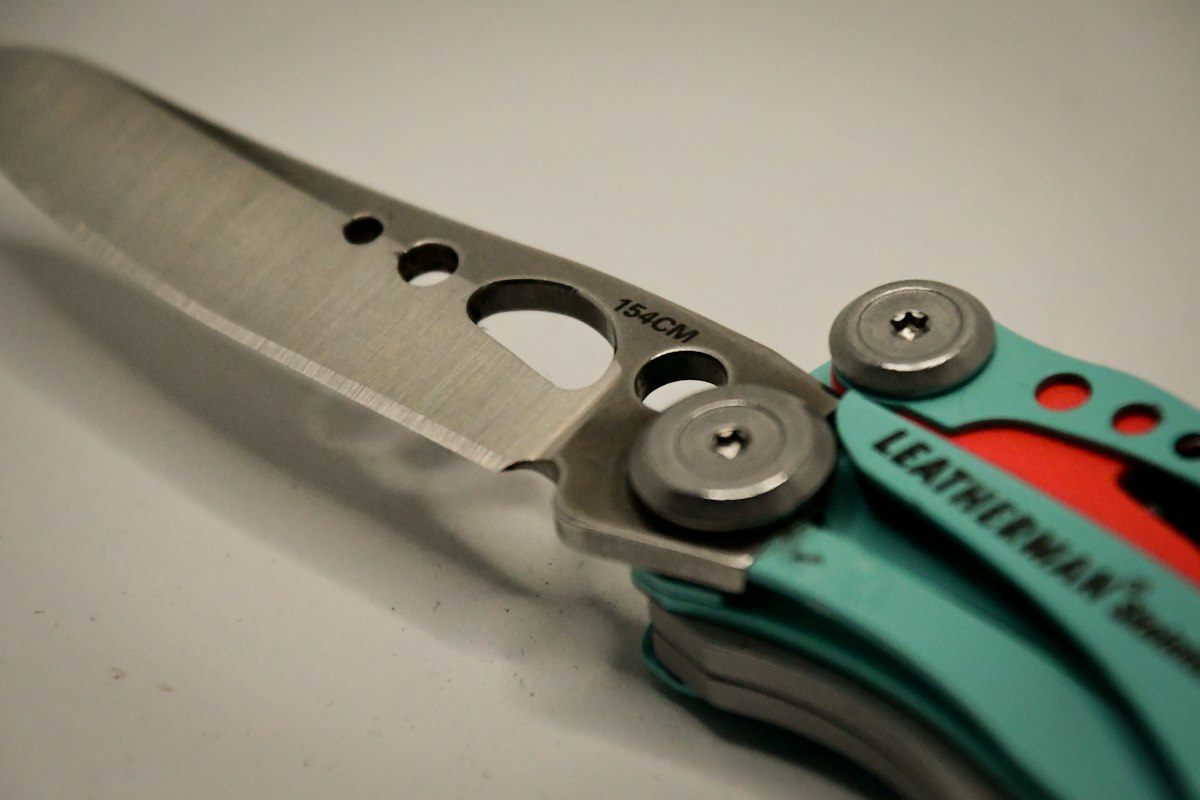
Almost every multi-tool will include at least one knife. This can range from a simple blade for everyday tasks to a serrated blade for more demanding jobs like cutting through rope or wood. Some multi-tools even include a safety mechanism to lock the blade in place when in use, adding an extra layer of security.
More Than Just Tools: Survival Features
While the core function of a multi-tool is to provide a variety of tools in one device, some multi-tools take this a step further by incorporating survival features. For example, some models come equipped with a fire-starting rod, an invaluable tool when camping or hiking. Others include a safety whistle for attracting attention in emergency situations.
Design Variations: Choosing the Right Multi-Tool
With a wide array of multi-tools available, selecting the right one can seem overwhelming. However, the key is to identify your specific needs and choose a multi-tool that caters to them.
For instance, if you’re an outdoor enthusiast, you might want a multi-tool with survival features like a fire-starting rod. Alternatively, if you’re a DIY hobbyist, you might prefer a multi-tool with a comprehensive set of screwdrivers and a sturdy pair of pliers.
Investing in a Multi-Tool: Cost Consideration
Like any product, multi-tools come in a range of prices. While it might be tempting to opt for a cheap model, it’s worth considering that a more expensive multi-tool will likely offer better quality and durability.
Backcountry Multi-Tools: For the Adventurers
For those who enjoy venturing into the great outdoors, a multi-tool designed with backcountry use in mind can be incredibly useful. These multi-tools often include features specifically tailored to outdoor survival, such as a fire starter or a safety whistle.
Making a Choice: The Best Multi-Tools
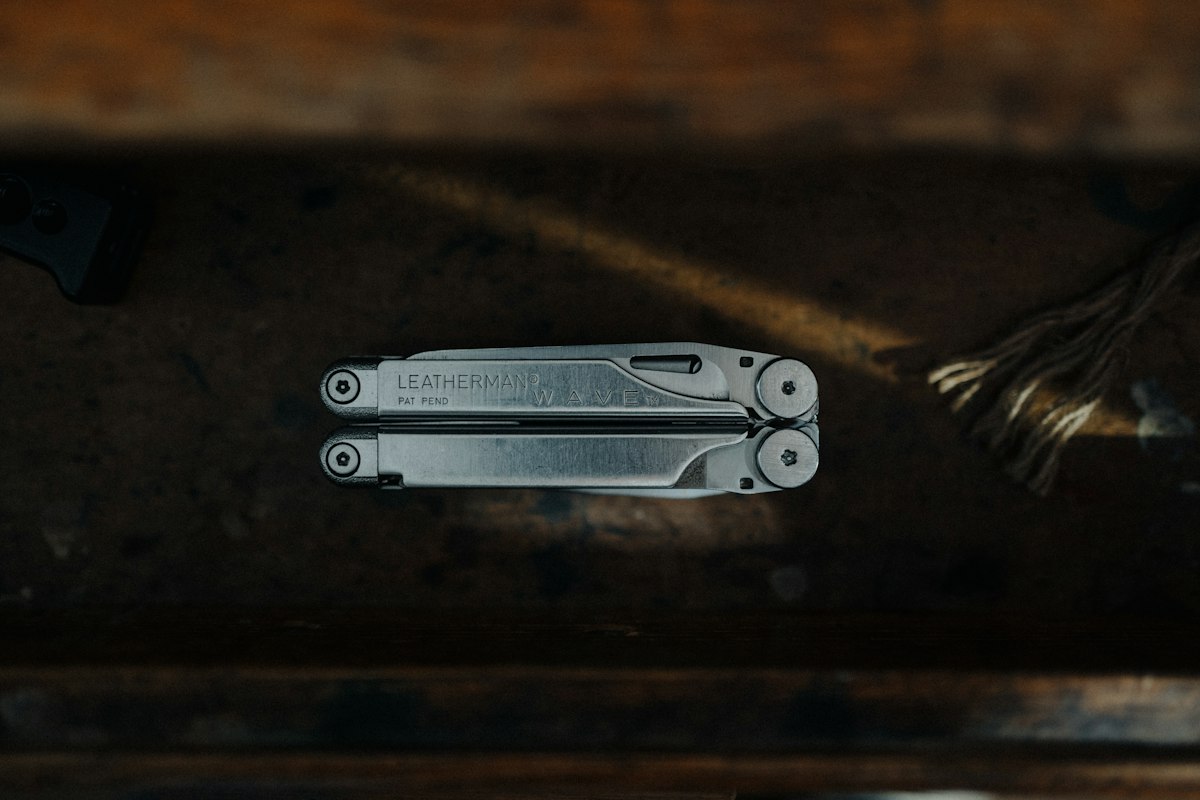
When it comes to choosing the best multi-tool, the options are extensive. Brands like Leatherman have become synonymous with multi-tools, offering a wide range of models to suit various needs. However, there are also plenty of other reputable brands to consider. It all comes down to assessing your needs and choosing a multi-tool that meets them.
Taking Care of Your Multi-Tool
Once you’ve invested in a multi-tool, it’s important to take care of it to ensure it lasts. Regular cleaning and maintenance can go a long way in preserving the functionality and longevity of your multi-tool.
Conclusion
In conclusion, multi-tools are an incredibly versatile and practical addition to any toolkit. Whether you’re an outdoor adventurer, a handyman, or just someone who likes to be prepared for any situation, a multi-tool can provide a compact and convenient solution. By considering your specific needs and doing a bit of research, you can find the perfect multi-tool for you.
With a robust multi-tool in your pocket, you’re ready to tackle any task that comes your way. So go ahead, embrace the power of the multi-tool, and unlock a world of possibilities.
How to Choose a Multi-Tool for Your Daily Life
Start with the jobs you actually do, not the jobs you imagine. If you open boxes, tighten screws, cut string and fix small things at home, a light pocket model with pliers, a knife and two screwdrivers will cover most days. If you work on a car, a bike or a farm, you need stronger pliers, a full size knife and a bit driver that accepts common bits. A tool that fits your real routine gets used every day, while a heavy tool that stays in a drawer helps no one. Write down the five tasks you did last week and check them against the tool list before you buy.
Weight and size matter just as much as the tool count. A full size multi-tool can weigh more than 250 grams, which feels fine in a work belt but heavy in a trouser pocket. A pocket model is easier to carry, but its pliers are smaller and its handles are shorter, so it gives you less grip on a stuck bolt. Try the tool in your hand if you can. Open and close each part with one hand, check that the lock holds firm, and see if the closed tool sits flat in your pocket. Comfort decides whether you will carry it, and a tool you carry is worth far more than a tool you leave at home.
Full-Size, Pocket-Size and Keychain Multi-Tools Compared
The three main sizes solve different problems, so the best choice depends on where you will use the tool most. Full-size tools suit work and outdoor trips. Pocket tools suit daily carry in a town or an office. Keychain tools suit light jobs and serve as a backup when you have nothing else. The table below shows how they differ in plain terms, so you can match the size to your life instead of buying the biggest model on the shelf.
| Size | Best for | Main strength | Main limit |
|---|---|---|---|
| Full-size | Work, repairs and camping | Strong pliers and long blades | Heavy in a pocket |
| Pocket-size | Daily carry | Good balance of tools and weight | Less grip on tough jobs |
| Keychain | Light jobs and backup use | Tiny and always with you | Small tools and weak pliers |
How to Use a Multi-Tool Safely
Most multi-tool injuries come from a blade that folds back or a hand that slips, and both are easy to prevent with a few habits. Always open one tool at a time and lock it before you push hard. Keep your fingers clear of the folding path, and cut away from your body with a firm grip on the handle. Never use a knife as a pry bar, and never use pliers on a live wire, because the tool is not an insulated electrical tool. Work in good light, take your time on a stiff bolt, and put the tool away closed so a loose blade cannot catch your pocket or your bag.
- Lock the blade or tool before you apply force, and test the lock with a gentle push first.
- Keep the cutting edge sharp, because a dull blade needs more force and slips more often.
- Use the right tool for the job, and do not force a small screwdriver to turn a large screw.
- Keep your other hand behind the blade and away from the cut line at all times.
- Clean and dry the tool after use, and store it closed in a sheath or a dry pocket.
Common Mistakes to Avoid When Buying a Multi-Tool
The most common mistake is counting tools instead of testing them. A model with 21 tools sounds better than a model with 12, but many of those extra tools are thin, hard to open or useless in real work. A second mistake is buying the cheapest model and expecting it to last. Cheap steel dulls fast, cheap pivots loosen, and a loose lock is a safety risk. Buyers also forget local rules. Some places limit blade length or ban locking blades in public, so check the rules where you live and travel before you carry a large knife every day. A final mistake is ignoring the sheath and the warranty. A good sheath protects the tool and your clothes, and a solid warranty shows that the maker trusts its own steel and locks.
How to Clean, Sharpen and Store Your Multi-Tool
Care takes only a few minutes, and it keeps the tool smooth for years. After outdoor use, rinse off dirt with warm water and a soft brush, then dry every part with a cloth so rust cannot start in the joints. Open each tool, wipe the pivot area clean, and put one small drop of light machine oil on each pivot. Work the tool open and closed a few times so the oil spreads, then wipe off the extra oil. If a blade is dull, sharpen it at a steady angle with a whetstone or a guided sharpener, and test it on paper before you put the tool away.
Store the tool in a dry place, closed and clean, and keep it out of a damp garage or a wet bag. If you live near the sea or you use the tool in salt water, rinse it with fresh water as soon as you can, because salt speeds up rust on steel. Check the screws and pivots once every few months. A loose pivot can be tightened with the right screwdriver, but do not over-tighten it, or the tool will stick. With this simple routine, a good multi-tool can serve you for a decade or more, and it will open smoothly every time you need it.
Frequently Asked Questions About Multi-Tools
What is the best multi-tool for everyday carry? The best everyday model is a pocket-size tool with pliers, a plain knife blade, a Phillips screwdriver, a flat screwdriver and a bottle opener. It should be light enough to carry daily, easy to open with one hand, and strong enough for home and car jobs.
Are multi-tools allowed on planes? In most cases, multi-tools with blades are not allowed in hand luggage, so pack them in checked luggage. Small keychain tools without a blade may be allowed, but rules differ by country and airline, so check before you travel.
How long should a good multi-tool last? A well made multi-tool from a known brand can last ten years or more with basic cleaning and oiling. Cheap models may fail in a year or two, often at the pivot or the lock, so quality and warranty matter more than the number of tools.
Do I need a multi-tool if I already own a toolbox? Yes, for jobs away from home. A toolbox stays in the garage, but a multi-tool rides in your pocket, your car or your hiking pack. It handles quick fixes on the spot, which is the whole point of carrying one.
A multi-tool is also handy for home projects, and if you are planning a bigger change, see how to transform your home with a custom fireplace makeover for ideas on turning an old fireplace into a feature.