Organic traffic vs direct traffic: In the bustling realm of the internet, where websites vie for attention like eager performers on a grand stage, understanding the nuances of web traffic becomes paramount. Your website’s traffic is the lifeblood of its online presence, the driving force behind its visibility, and the gateway to potential success. Two significant players in this intricate dance of digital attention are “Organic Traffic” and “Direct Traffic.” Let’s embark on a journey to demystify these terms and uncover the unique roles they play in steering visitors to your online domain.
Contents:
- Breaking Down the Basics
- Round 1: Organic Traffic
- Round 2: Direct Traffic
- The Verdict: A Balanced Brew
- Conclusion
Breaking Down the Basics
Before we dive headfirst into the showdown between organic and direct traffic, let’s grasp the fundamental definitions of these digital voyagers. This comparison of organic traffic vs direct traffic starts with those definitions.
Organic Traffic
Imagine your website as a cozy café nestled in a quiet alley. Organic traffic is akin to the footfall you get when passersby, who happen to be avid coffee lovers, catch the aroma of freshly brewed coffee and are enticed to step in. In the digital realm, organic traffic refers to the visitors who land on your website through search engine results. These visitors discover your website organically, often as a result of their online inquiries aligning with the content you offer. This discovery route is central to organic traffic vs direct traffic.
Direct Traffic
In our café analogy, direct traffic represents the loyal patrons who have been enchanted by your brews and now make it a point to visit regularly. In the digital landscape, direct traffic indicates visitors who arrive at your website by typing your URL directly into their browser’s address bar or through bookmarks. They have a direct intent to reach your site and bypass search engines as intermediaries. In any organic traffic vs direct traffic comparison, that loyalty stands out.
Round 1: Organic Traffic
The Power of Search Engines
Imagine you’re on a quest for the perfect chocolate chip cookie recipe. What’s the first thing you do? You turn to your trusty search engine and type in your query. This is where organic traffic takes center stage. That search-first behaviour is a key part of organic traffic vs direct traffic.
Benefits of Organic Traffic
- Credibility Boost: Securing a spot on the coveted first page of search engine results is like getting a gold star for credibility. Users tend to trust the top results and see them as reputable sources.
- Cost-Effective: While achieving a high ranking demands strategic efforts, organic traffic is essentially free. You don’t pay for clicks like you would in paid advertising.
- Evergreen Impact: Well-optimized content continues to attract organic traffic long after its publication, offering sustained visibility without ongoing investments.
The SEO Connection
Search Engine Optimization (SEO) is the secret sauce behind the success of organic traffic. Think of it as the aroma that wafts through the café, beckoning visitors. Properly executed SEO ensures your website is aligned with the queries users’ type into search engines. Good SEO therefore shapes organic traffic vs direct traffic results.
Ingredients of Effective SEO
- Keyword Magic: Identifying and integrating relevant keywords into your content helps search engines understand your website’s purpose.
- Quality Content: Crafting informative, engaging, and valuable content keeps visitors on your site longer, signaling search engines that your page is worth recommending.
- Mobile Friendliness: With the majority of searches happening on mobile devices, a mobile-responsive website is no longer a luxury but a necessity.
Round 2: Direct Traffic
The Bookmarked Trail
Direct traffic saunters in with a certain level of familiarity, like a regular customer who knows exactly where to find their favorite brew. These visitors have already had a taste of what you offer and are intentionally choosing to return. Recognising that pattern helps you judge organic traffic vs direct traffic.
Benefits of Direct Traffic
- Brand Loyalty: Direct traffic is a testament to your brand’s staying power. Visitors remember your URL and willingly come back for more.
- Higher Conversion Potential: These loyal patrons are more likely to convert into leads or customers. They’re already familiar with your offerings and have a vested interest.
- Navigational Ease: Direct visitors bypass the search engine route, arriving directly at your virtual doorstep. This streamlines their journey and reduces the risk of distractions.
The Social Media Link
In the digital age, social media platforms serve as the modern-day word-of-mouth channels. A substantial chunk of direct traffic often stems from social media referrals. When users click on a link you’ve shared on your social profiles, they’re engaging in direct traffic. That social referral route also affects organic traffic vs direct traffic.
Nurturing Direct Traffic Through Social Media
- Engaging Posts: Craft compelling social media posts that pique curiosity and encourage clicks. Tease your content without giving away too much.
- Consistent Presence: Regularly update your social media accounts with fresh content to keep your audience engaged and informed.
- Interactive Elements: Polls, quizzes, and discussions can entice users to visit your website directly, especially when they seek more in-depth information.
The Verdict: A Balanced Brew
In the battle of organic traffic vs direct traffic, declaring an outright winner might seem tempting. However, the true strength lies in harnessing the synergy between these two approaches. Balancing organic traffic vs direct traffic is the practical goal.
- Organic Traffic: This is your gateway to reaching new audiences. By optimizing your content and website for search engines, you attract users actively seeking what you offer. SEO casts a wide net, capturing diverse queries and introducing your brand to potential long-term patrons.
- Direct Traffic: The backbone of brand loyalty and customer retention, direct traffic is your core audience. These visitors return because they value your content or offerings. By maintaining a strong online presence through social media and delivering consistent value, you keep the flames of their interest burning.
Conclusion
As the curtains draw on our exploration of organic and direct traffic, it’s evident that each path holds its own significance. Organic traffic sets the stage, bringing newcomers into the fold through search engine allure. Direct traffic, on the other hand, solidifies connections, nurturing brand loyalty and driving conversions. Striking a harmonious balance between these traffic sources is the key to a thriving online presence—a digital café where the aroma of success mingles with the comfort of familiarity. So, equip yourself with the knowledge of these pathways, and may your website flourish with a blend of both organic and direct traffic, propelling you toward digital triumph.
Related reading: How to Improve Your Local SEO, SUMO Search, Online Competitor Analysis, How to Use Twitter
How Analytics Tools Tell Them Apart
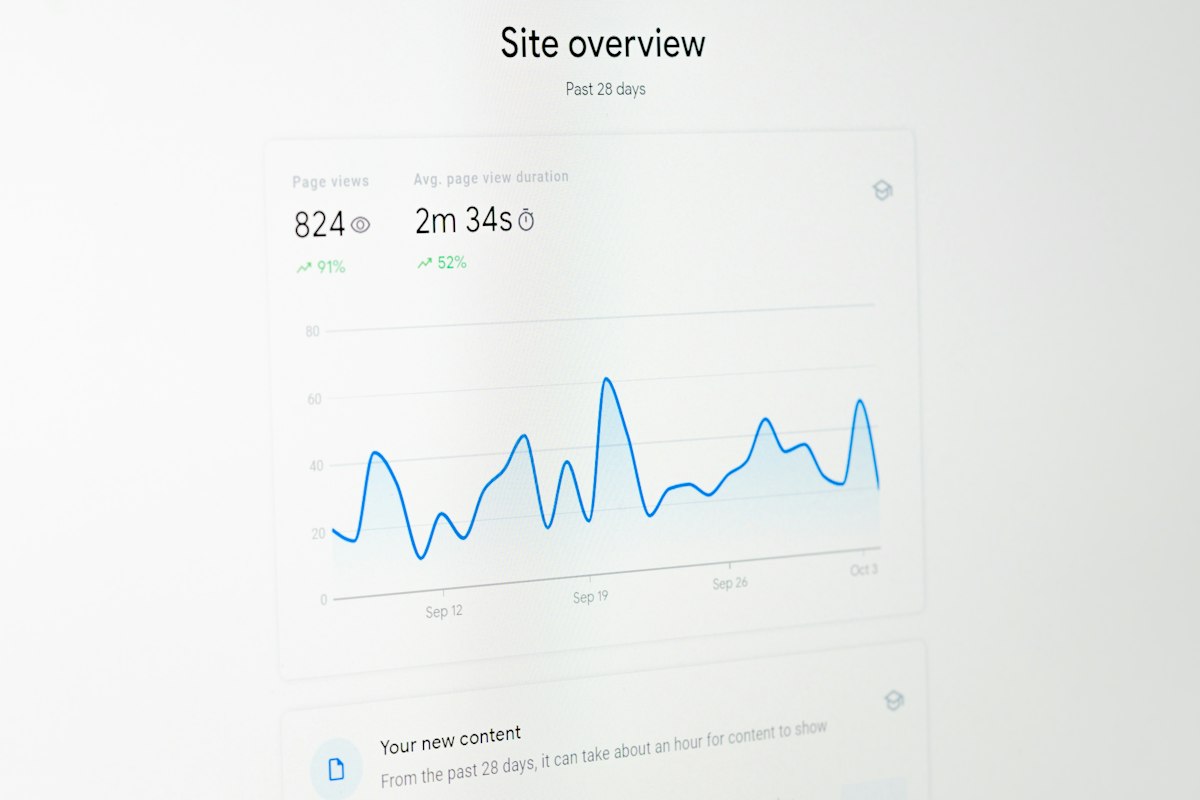
Analytics tools sort each visit by its source, and most site owners check this in a traffic report. In Google Analytics 4, the traffic acquisition report groups visits into channels such as Organic Search and Direct. A visit counts as Organic Search when the visitor clicks a link on a search results page. A visit counts as Direct when the tool receives no referrer, which means it cannot tell where the visitor came from. This grouping gives you a first picture of how people reach your site, but it is only as good as the data behind it.
UTM parameters help analytics tools sort visits more accurately, because they add a small tag to a link that names its source and campaign. When you share a link in an email or a social post with UTM tags, the visit is credited to that channel instead of Direct. Without those tags, the same visit often lands in Direct, even though you know where it came from. You can add UTM tags with free campaign URL builders, and the tags stay in the link address for the tool to read. A regular habit of tagging campaign links keeps your reports cleaner and your decisions better.
Why Direct Traffic Is Often Overcounted
Direct traffic is often larger than it should be, because many real visits leave no referrer for the analytics tool to read. Links shared in messaging apps, emails, and some social apps open the site without passing a referrer, so the visit looks direct. Visits from bookmarks and typed addresses also leave no referrer, and they truly are direct. A sudden rise in Direct traffic after a campaign launch is a warning sign, because it often means campaign links were shared without tags. When you see that pattern, check the landing pages, because a campaign page with many direct visits points to untagged links.
You can reduce this overcount with a few simple checks that take little time. First, tag every link you share outside your own site, including links in emails, PDFs, and social posts. Second, look at the landing pages in your Direct traffic, because a page that only a campaign links to should not show many direct visits. Third, compare the rise in Direct traffic with the timing of each campaign, so you can see which launch caused it. These checks do not fix old data, but they make future reports far more useful, and they help you give each channel the credit it earned.
What a Healthy Mix Looks Like
There is no single right split between organic and direct traffic, because the right mix depends on the age of the site and the kind of business behind it. A new site usually gets most of its visits from search and social links, because few people know its name yet. An established brand with many repeat customers usually sees more direct traffic, because loyal visitors type the address or use a bookmark. A local shop that also works on its search presence, for example, can grow both channels at once, and you can read more about that in the guide to how to improve your local SEO. The goal is not a fixed number, but a balance that matches how your audience finds you.
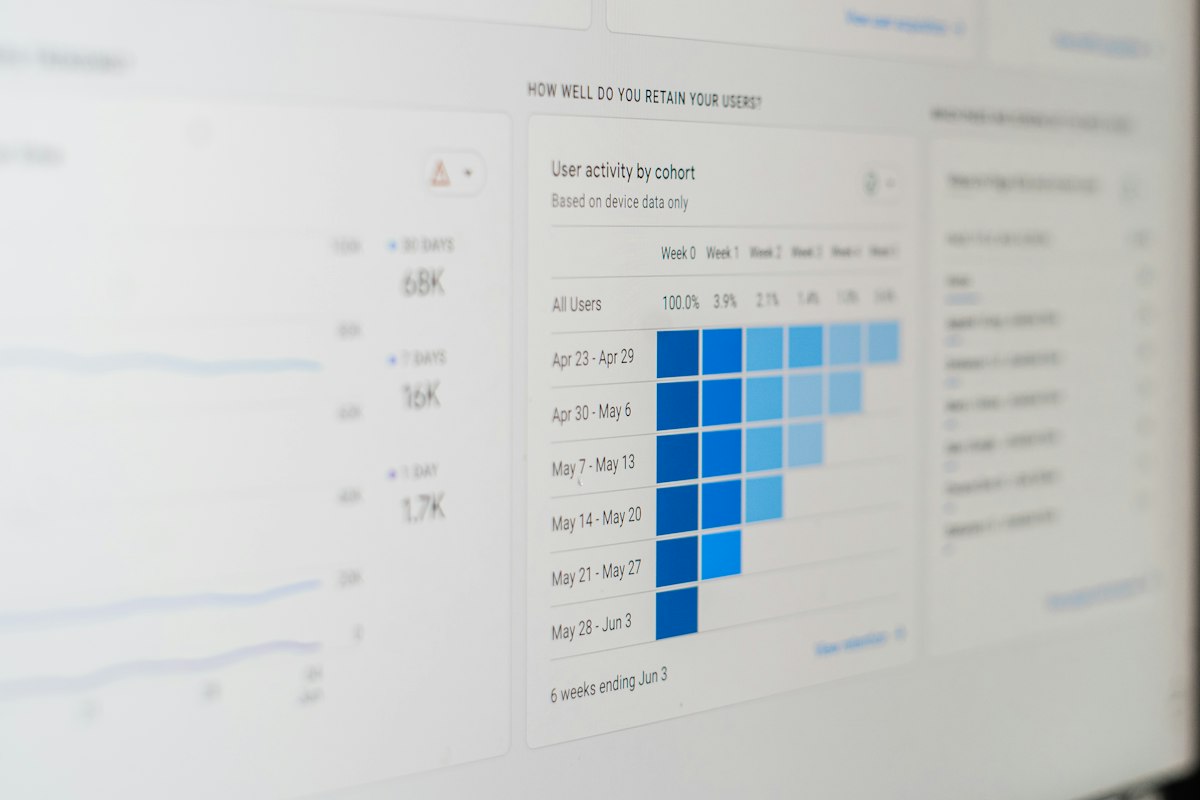
A mix that leans too far one way can point to a problem worth a closer look. If almost all traffic is direct, your tracking may be broken, or your site may be missing from search results for the terms your audience uses. If almost all traffic is organic and very little is direct, your brand may be weak, because few visitors return on their own after a first visit. The healthiest pattern is steady growth in both channels over time, with neither one falling to zero. Review the split each month, note any sharp change, and ask what changed on your site or in your campaigns at the same time.