
Claim and Optimize Your Google Business Profile
Your Google Business Profile is ground zero for local SEO. When users search for a local service, Google often displays business listings in the “Local Pack,” and your profile determines how you show up there.Start by claiming and verifying your profile. Choose the most relevant business categories, add detailed descriptions of your products or services, and upload high-quality photos. Your profile should reflect the personality and professionalism of your business.Encourage satisfied customers to leave reviews. Not only do reviews build trust with potential clients, but they also signal to Google that your business is active and reputable. Make it a habit to respond to all reviews, whether they are glowing or critical. A well-maintained Google Business Profile can be a game-changer when it comes to standing out in local search results.Build Consistent NAP Citations Across the Web
Consistency is crucial when it comes to local SEO. Google cross-references information about your business from multiple sources, and discrepancies can confuse the algorithm or cause it to distrust your data.Ensure that your NAP information is consistent across every online platform where your business is listed. This includes local directories, social media profiles, and review websites. Even small inconsistencies like abbreviations or formatting differences can undermine your visibility.Using citation management tools can help you locate and fix inconsistencies. The more consistently your business is represented online, the more likely it is that search engines will place you in local search results.Optimize Your Website for Local Keywords
Image by Tumisu from PixabayYour website should clearly communicate where your business is located and which geographic areas you serve. Including local keywords throughout your site helps Google understand your location and match your business to relevant local searches.Start by adding your city or neighborhood to your homepage title tag, meta description, and key content areas. If your business serves multiple locations, create separate landing pages for each one. These pages should provide unique, useful information relevant to customers in each area.Use natural language and avoid keyword stuffing. The goal is to write content that feels organic and informative while making it easy for search engines to identify your local relevance.Invest in Professional Services
Improving local SEO can be complex, especially if you’re juggling multiple responsibilities as a business owner. When DIY strategies aren’t cutting it, investing in professional support can make a significant difference.A reputable provider of local SEO services can offer comprehensive audits, identify technical issues, and develop a tailored strategy based on your business goals. They may help with content creation, citation management, on-page optimization, and more.You’ll also gain access to data-driven insights and performance tracking tools that keep your efforts aligned with measurable goals. With experts managing your local SEO, you can free up time to focus on what you do best: serving your customers.Encourage and Manage Online Reviews
Reviews are one of the most influential factors in local SEO. They provide social proof, build credibility, and help your business rise in local rankings. Make it easy for happy customers to leave reviews by providing direct links after a service is completed or purchase is made. Send friendly reminders via email or text, and don’t hesitate to ask in person. Most people are willing to share positive experiences, especially when prompted.Always respond to reviews. Thank your customers for positive feedback and address concerns professionally when receiving critical comments. A thoughtful response can actually enhance your reputation and show that you value customer feedback. Over time, a steady flow of honest, quality reviews can significantly strengthen your local presence.Create Locally Relevant Content
One of the most effective but underused local SEO strategies is creating content that resonates with your local audience. This not only helps improve rankings but also builds stronger connections within your community.Consider writing blog posts about local events, sponsorships, or community news. Highlight collaborations with nearby businesses or spotlight loyal customers in case studies. You can also create guides or articles that provide solutions to location-specific challenges your audience may face.Search engines value content that is useful, original, and relevant. When you create local content that meets those criteria, you’re more likely to rank for localized search terms and capture the interest of nearby customers.
Focus on Mobile Optimization
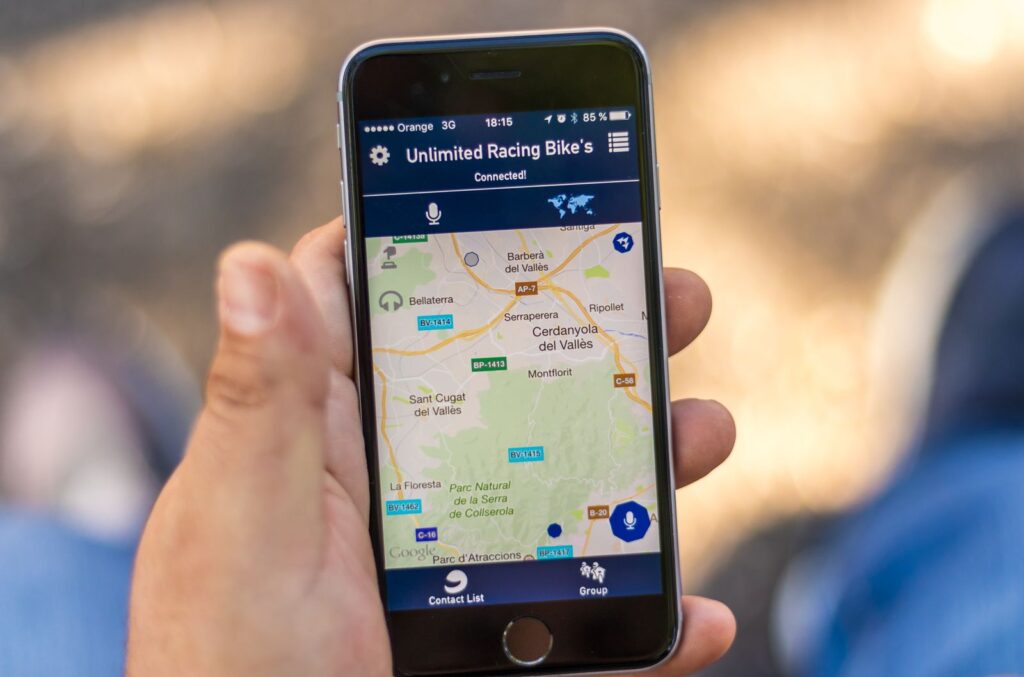
With most local searches happening on smartphones, mobile optimization is no longer optional. If your site doesn’t perform well on mobile, you risk losing visitors and falling behind competitors.Your website should load quickly, ideally in under three seconds. It should be easy to navigate with intuitive menus, readable text, and clear calls to action. Include features like click-to-call buttons and map integrations so users can quickly find your location or get in touch.Responsive design ensures that your site adjusts to any screen size, offering a smooth experience across devices. Google also prioritizes mobile-friendly websites in its rankings, making mobile optimization essential for success. Also, read: Virtual Office AddressFinal Thoughts: The Local Advantage
Local SEO isn’t just about showing up — it’s about showing up first. Whether your goal is to get more calls, more walk-ins, or more clicks, these strategies will help you build a stronger online presence that drives real-world results.While some changes may seem small, they add up quickly. From claiming your Google Business Profile to publishing locally relevant content, each step plays an important role in boosting your visibility.How to Track Your Local SEO Results
Tracking is what turns local SEO from guesswork into a plan you can improve. Start with the three free tools that Google gives you: Google Business Profile insights, Google Search Console, and Google Analytics. Google Business Profile insights show how many people found your listing in a search, how many called you, asked for directions, or visited your website from the listing. Check these numbers once a month, and write them down, because a single month can look good or bad by chance, while three months show a real trend. Google Search Console shows which search terms bring people to your website, which pages they land on, and where those pages rank on Google. Look for your city and service terms, such as plumber in Lahore or bakery near Gulberg, and note the ones that move up over time.
Google Analytics shows what visitors do after they arrive on your site, such as which pages they visit, how long they stay, and whether they fill in a contact form or click a phone number. Connect your contact form to a simple goal, so you can count form fills as conversions, and ask callers how they found you, so you can link real sales to the right channel. Once a month, put these numbers into a simple sheet: calls from Google Business Profile, direction requests, website visits from local search, and enquiries that turned into customers. If the numbers are not moving after three months of steady work, look for the weak spot, such as an incomplete profile, inconsistent citations, or a slow website, and fix that one thing first. Small and steady gains each month are the normal sign of healthy local SEO.
A Worked Example: A 30 Day Local SEO Plan for a Bakery
Imagine a small bakery in Lahore that wants more orders from nearby customers. In week one, the owner claims and verifies the Google Business Profile, adds correct hours, a clear description, photos of fresh bread and cakes, and a link to the order page. The owner also checks the name, address, and phone number on the website, Facebook, and Instagram, and fixes the small differences, such as a missing area code on one listing. In week two, the bakery asks its ten most loyal customers for a Google review, and it replies to every review that arrives, even the short ones. The owner also adds the city and neighbourhood to the main pages of the website, and writes one short blog post about a local event the bakery supplied cakes for.
In week three, the bakery posts twice on its Google Business Profile, once about a new cake flavour and once about weekend opening hours, and it shares the same photos on Facebook and Instagram. The owner checks the website speed on a phone and asks the host to fix a slow image that was delaying the home page. In week four, the owner looks at the numbers: calls from the Google listing, direction requests, and orders that came from search. If calls have risen and the bakery is getting more direction requests, the plan is working, and the owner repeats the same routine in month two, with fresh photos, new reviews, and one new local blog post. If nothing has changed, the owner checks the profile for missing details and asks more customers for reviews before spending money on ads.
| Week | Main task | What to check |
|---|---|---|
| Week 1 | Claim and complete Google Business Profile, fix NAP details | Profile is verified and complete |
| Week 2 | Ask for reviews, add local keywords to website | Reviews arriving, pages updated |
| Week 3 | Post on Google Business Profile, check mobile speed | Posts live, site loads fast on phone |
| Week 4 | Review calls, directions, and orders | Numbers rising month by month |
Common Local SEO Mistakes to Avoid
One common mistake is using different names, addresses, or phone numbers in different places. A shop listed as Main Bazaar on the website, Main Bazar on Facebook, and Main Bazar Road on a directory will confuse Google, and the listing may rank lower as a result. A second mistake is ignoring reviews, both good and bad. A business that never replies to reviews looks absent, while a business that replies with thanks and with helpful answers to complaints builds trust with the next reader. A third mistake is stuffing the city name into every sentence on a page. Google can see this trick easily, and readers will find the text hard to read. Use the city name in the title, in the headings, and in a few natural places, and let the rest of the text speak in plain words.
A fourth mistake is forgetting the mobile experience. Most local searches happen on a phone, often while the person is out and ready to visit a shop. A site that loads slowly, hides the phone number, or makes the map hard to find will lose those visitors to a competitor. A fifth mistake is expecting results in a week. Local SEO is a slow process, and most businesses need three to six months of steady work before they see a clear change in calls and visits. A sixth mistake is buying fake reviews. Fake reviews can be removed, they can damage trust, and they can lead to penalties on the Google listing. Real reviews from real customers are slower to collect, but they are the ones that last and that help the business in the long run.
Frequently Asked Questions About Local SEO
How long does local SEO take to work? Most businesses see early movement in four to eight weeks, such as more views on the Google Business Profile or a small rise in calls. Strong results, such as regular first page rankings for local terms, usually take three to six months of steady work. The exact time depends on the competition in your area and the state of your website and listings at the start.
Do I need a Google Business Profile if I already have a website? Yes, the profile is the main way Google shows local businesses in the map results and in the local pack. Many local searches never reach a website at all, because the searcher calls or asks for directions straight from the listing. A complete and active profile is one of the most important parts of local SEO.
Can I do local SEO myself? Yes, a small business owner can do the basics: claim the Google Business Profile, keep the name, address, and phone number consistent, ask for reviews, and post local content. A professional is useful when the market is very competitive, the website needs technical fixes, or the owner has no time for the work. Either way, the steps in this guide are a good place to start.
How much does local SEO cost? Costs vary with the size of the business and the amount of work needed. Many owners start with free work on their own profile and website, and later pay for help with content, citations, or technical fixes. Ask any provider for a clear list of the work included each month, so you can judge the cost against the calls and orders it brings.
What is the difference between local SEO and normal SEO? Normal SEO aims to rank a website for searches from anywhere, while local SEO aims to rank a business for searches from nearby customers. Local SEO puts more weight on the Google Business Profile, reviews, citations, and the city or neighbourhood in the content, because those signals tell Google where the business serves. Both types of SEO share the same basics, such as fast pages and useful content, but local SEO adds a local focus to every step.