
Snow Day Calculator

Snow Day Calculator

Enter the current weather details to check your snow day chances!


As winter sets in and snow begins to blanket the ground, one of the most exciting things for students, teachers, and parents alike is the possibility of a Snow Day. The idea of waking up to an unexpected break from school or work is a delightful part of winter’s magic. But, how do you know if today will be that much-anticipated Snow Day?

Enter the Snow Day Calculator – a fun, interactive tool that helps you assess the likelihood of a snow day based on the current weather conditions. Whether you’re a student, a parent, or just someone eager to know if you’ll get a day off, this simple and easy-to-use tool takes the guesswork out of the equation.

What is the Snow Day Calculator?

The Snow Day Calculator is a web-based tool designed to evaluate the chances of having a snow day based on key weather conditions, including the current temperature, snowfall amount, and whether schools in your area have closed due to the weather. With just a few inputs, you can get an instant prediction of whether or not your area will be enjoying a snow day!

The calculator takes into account commonly accepted criteria for snow days, like:

  • Temperature: Is it cold enough for snow to stick around?

  • Snowfall: Is there enough snow accumulation to disrupt normal activities?

  • School Closures: Have schools already decided to close due to weather conditions?

How Does It Work?

Using the Snow Day Calculator is quick and easy. You only need to input three simple pieces of information:

  1. Current Temperature (°F): Enter the temperature where you are. If it’s below freezing, there’s a better chance of a snow day, but if it’s too warm, snow might not stick.

  2. Snowfall (in inches): Input how much snow has fallen or is expected to fall. The more snow, the higher the chances for a snow day.

  3. School Closures: Select whether schools are already closed in your area. If schools have already canceled classes, it’s a good sign that your chances for a snow day are high.

Once you provide these details, simply click the “Check Snow Day” button, and the calculator will assess the likelihood of having a snow day based on the inputted conditions. It will display one of several responses, such as:

  • “It’s a Snow Day! Enjoy your time off!”

  • “There’s some snow, but it’s not quite a Snow Day yet.”

  • “The temperature is too warm for a Snow Day.”

  • “Snow conditions are not favorable for a Snow Day.”

A mother and son having a snowball fight on the kind of morning a snow day calculator forecasts

Why Use the Snow Day Calculator?

While it’s all in good fun, the Snow Day Calculator can actually help you prepare for your day. Here are some of the reasons why it’s useful:

  • Plan Your Day: If the calculator predicts a snow day, you can make preparations for a cozy day indoors—maybe binge-watch your favorite show, complete some homework, or simply enjoy the winter wonderland outside.

  • Stay Informed: Whether you’re a student hoping for an extra day off, a parent wondering if you need to make child care arrangements, or a teacher trying to gauge whether you should prepare lessons for a virtual school day, the Snow Day Calculator gives you an easy-to-read forecast based on real-time weather inputs.

  • Add Fun to Winter: The Snow Day Calculator isn’t just a practical tool; it adds a fun layer to the winter season. Kids and adults alike can enjoy seeing if the weather conditions align for a snow day and get a little excitement going as they wait for the morning weather report.

The Logic Behind the Calculator

The logic for determining whether or not it’s a snow day is based on a combination of common weather conditions that lead to school closures:

  • Temperature: If it’s below freezing, it’s more likely that snow will stick and cause disruption. If it’s warmer, there’s a chance for rain instead of snow, which won’t result in a snow day.

  • Snowfall: A moderate to heavy snowfall increases the likelihood of a snow day, especially if roads become impassable or dangerous.

  • School Closures: If schools are already closed, you’re in luck! Your chances of a snow day are nearly guaranteed.

This simple formula uses these factors to predict if it’s likely that you’ll have a day off.

Customize and Experiment with Your Results

The Snow Day Calculator isn’t just limited to one-size-fits-all criteria. Depending on your location and preferences, you can tweak the variables or criteria for when you want a snow day. Want to adjust the snowfall to 4 inches or make the temperature cutoff lower? You can modify it as per your need. The tool is flexible and customizable for all types of winter weather enthusiasts.
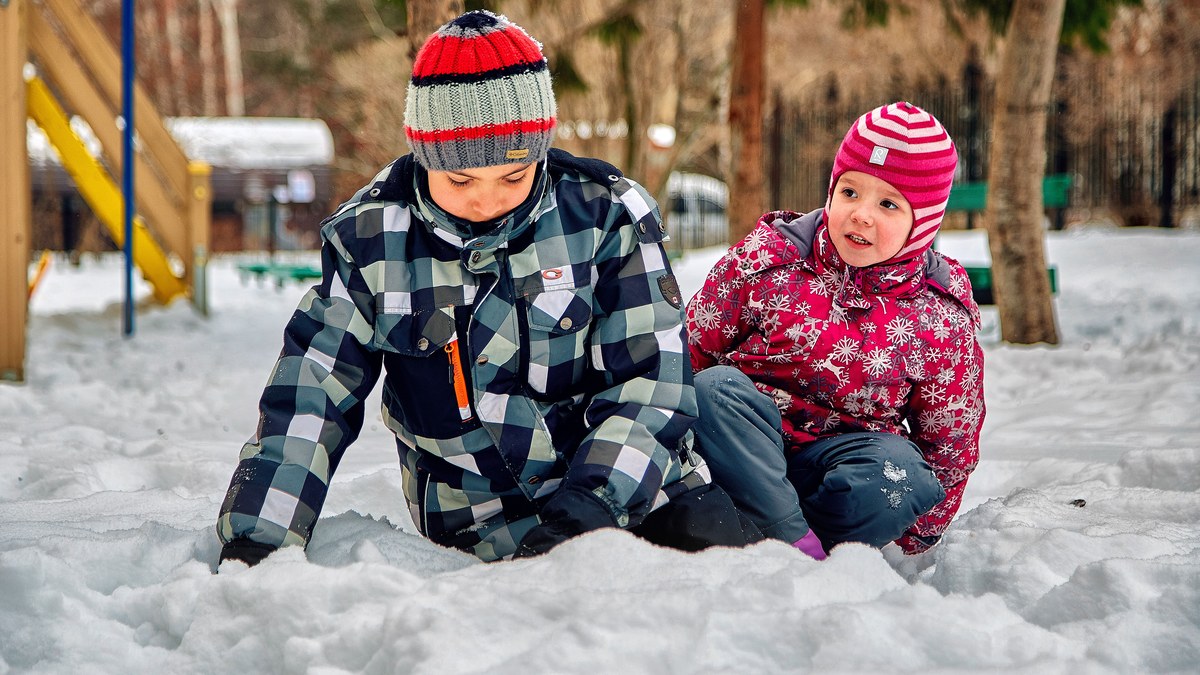
Two children playing in deep snow at a park on a snow day, just as a snow day calculator hopes for

Limitations of the Snow Day Calculator

While the Snow Day Calculator offers a fun, data-based prediction, it’s important to note that it’s still a fun tool and not an official source of weather forecasting or school decision-making. The calculator uses basic weather information but doesn’t take into account other variables that can influence snow day decisions, such as:

  • School district policies on weather-related closures

  • Real-time road conditions and safety concerns

  • Local authorities’ decisions

Always keep an eye on official announcements from your local school district or government for the final word on school closings.

Conclusion

The Snow Day Calculator is an entertaining, interactive way to add some excitement to the winter season. It provides a simple, easy-to-understand forecast based on the most important weather conditions that affect snow days. Whether you’re a student, teacher, or parent, this tool makes it fun to predict the likelihood of a snow day and get ready for the winter break.

Give it a try the next time the snow starts to fall and see if you’ll be enjoying a snow day or getting back to business as usual. You might just be surprised at how much fun it is to calculate the chance of your next snow day!

Three Worked Examples to Try in the Calculator

The calculator is most useful when you test it with real numbers from your own forecast, so try these three examples and compare the messages. First, try a cold and snowy morning: enter a temperature of 25 degrees Fahrenheit, snowfall of 8 inches, and schools closed set to Yes. The temperature is well below freezing, the snowfall is heavy enough to block roads, and the school closure is already decided, so the calculator should give you its snow day message. That combination is the clearest case, and it is the one most likely to match a real announcement from your school district. Second, try a borderline morning: enter a temperature of 30 degrees, snowfall of 2 inches, and schools closed set to No. The snow is light, the temperature is close to freezing, and no closure has been announced yet, so the calculator will likely tell you that there is some snow but it is not quite a snow day yet. That answer is a good reminder to check again later, because a forecast can change by morning.

Third, try a warm morning with snow in the forecast: enter a temperature of 40 degrees, snowfall of 3 inches, and schools closed set to No. At 40 degrees, snow will melt as it falls, so the roads will be wet rather than blocked, and the calculator should tell you that the temperature is too warm for a snow day. This example shows why temperature matters as much as snowfall. A large amount of snow at a warm temperature can still leave you with a normal school day, while a smaller amount of snow at a cold temperature can close the schools. Try each example in the calculator now, and write down the message you get for each one, so you learn how the three inputs work together.

How School Districts Actually Decide to Close

School districts do not close on the basis of a calculator, and they do not decide by looking at one number alone. In most districts, a team checks the forecast the evening before, and then checks the real conditions early in the morning, often before 5 a.m. They look at how much snow has fallen, how icy the roads are, whether the buses can run safely, and whether the school buildings have heat and power. They also talk to local road crews and to the police, because a road that looks clear in one town can be blocked in another. The final decision is often made by the superintendent, and the announcement is then sent out by text, email, local news, and the district website. Parents should always wait for that official announcement, even if a calculator or a forecast looks promising.

Timing matters as well. Some districts announce a closure the evening before a large storm, so families can plan childcare and work. Others wait until the early morning, because the forecast may change overnight, and an early announcement could close school on a day that turns out to be fine. A delay or an early dismissal is also possible, and those choices depend on when the worst weather is expected to arrive. If the storm is due at midday, a district may open normally and send students home early. If the storm is due overnight, a full closure is more likely. This is why the calculator asks about school closures as a separate input: once a district has announced a closure, the question is settled, whatever the weather numbers say.

How to Plan a Snow Day Once the Calculator Predicts One

A snow day is more enjoyable when you plan for it the night before, rather than waking up to rush and confusion. Start with the basics: charge phones and laptops, check that you have food and drinks for the day, and lay out warm clothes for the children. If you work from home, tell your team early that a snow day is likely, and move any meetings that cannot wait to a video call. Parents should also arrange childcare in advance if they must still travel to work, because a snow day for children does not always mean a day off for adults. Keep the school district website and the local news page open, and set your phone to receive text alerts from the district, so you hear the official decision as soon as it is made.

For families, a simple plan for the day will keep everyone happy. Set a time for outdoor play in the morning, when the snow is fresh, and a time for indoor work or reading in the afternoon. Pack a small bag with gloves, hats, and extra socks by the door, so nobody has to search for them in the cold. Make a warm meal that is easy to prepare, such as soup or hot chocolate, and keep some simple activities ready, such as board games, books, or a film. A snow day does not need to be a perfect day, but a little planning the night before will make it feel like a holiday rather than a disruption.

Snow Day Safety: Driving, Walking, and Staying Warm

Safety is the main reason schools close, and the same rules apply to everyone else on a snow day. If you must drive, slow down, keep a long distance from the car in front, and brake gently, because ice can be hidden under a thin layer of snow. Keep a full tank of fuel, a phone charger, a blanket, water, and a small shovel in the car, in case you get stuck. If the roads are closed or the local advice is to stay home, stay home, because no journey is worth the risk of an accident on an icy road. For walking, wear boots with good grip, take short steps, and keep your hands free for balance. Ice on pavements and steps is easy to miss, especially in the early morning when the light is low.

Staying warm is also important, especially for children and older people. Dress in layers, with a warm coat, hat, gloves, and waterproof boots, and come inside to warm up often, rather than staying out for hours at a time. Watch for signs of cold hands and feet, and warm up slowly with a drink and dry clothes. At home, keep the heating on, and check on older neighbours if you can do so safely. Pipes can freeze in very cold weather, so keep the heating at a steady level overnight, and let a tap drip slowly if your home is prone to frozen pipes. These simple steps will keep a snow day safe and fun for the whole family.

Frequently Asked Questions About Snow Day Calculators

Is the snow day calculator accurate? The calculator gives a simple estimate based on temperature, snowfall, and school closures, and it is meant for fun and planning, not as an official forecast. Real closures depend on road conditions, district policy, and local decisions, so always check your school district or local authority for the final answer.

What temperature is best for a snow day? Snow sticks best at or below freezing, which is 32 degrees Fahrenheit. At temperatures well below freezing, even a few inches of snow can close roads and schools. At temperatures above freezing, snow will melt as it falls, and a snow day is much less likely.

How much snow is needed to close schools? There is no single number that works for every town, because it depends on the roads, the buses, and the local weather. A few inches can close schools in a town that rarely gets snow, while a town that is used to heavy snow may stay open with much more. The calculator treats moderate to heavy snowfall as a stronger sign, but the district decision is the one that counts.

Should I check the calculator every night? You can check it when snow is forecast, but the forecast can change by morning, so check again with the latest numbers before you plan your day. The calculator is a quick way to turn a forecast into a simple answer, and it is most useful when it is used with the official school announcement.

Leave a Reply