
Gallons to liters is a simple conversion, and the exact answer depends on which gallon you mean. One US gallon equals 3.78541 liters, so you convert gallons to liters by multiplying US gallons by 3.78541. One UK gallon equals 4.54609 liters, so you convert UK gallons by multiplying by 4.54609 instead. For example, 10 US gallons equals 37.8541 liters, while 10 UK gallons equals 45.4609 liters. This guide gives you both formulas for gallons to liters, a fast table, and 5 best easy steps for fuel, cooking, and travel.
Gallons to liters comes up at fuel pumps, in recipes, on garden sprays, and in travel guides. Many drivers see gallons abroad and need liters at once, so a clear method saves time and stress. This guide also shows the mistakes that make gallons to liters go wrong, plus a quick way to estimate without a calculator. You will finish with a simple checklist you can use on every trip, and you will know when to use the US factor and when to use the UK factor.
ANSWER BOX 1:
To convert gallons to liters, multiply US gallons by 3.78541 or UK gallons by 4.54609. For a quick daily estimate, multiply US gallons by 3.8 instead, and you will stay very close to the exact answer. Use the exact factor for fuel plans, recipes, and school work, because small rounding errors grow on large volumes.
Gallons to Liters Calculator
10 US gallons = 37.8541 liters
Worked checks: 10 US gallons = 37.8541 liters. 10 UK gallons = 45.4609 liters. Reverse check: 10 liters = 2.64172 US gallons.
Contents:
- The Simple Formula for Gallons to Liters
- Gallons to Liters Conversion Table
- How to Convert Gallons to Liters in 5 Best Steps
- Gallons to Liters for Driving, Cooking, and Travel
- Mistakes That Make Gallons to Liters Go Wrong
- US Gallons to Liters Versus UK Gallons to Liters
- Verified Numbers You Can Trust for Gallons to Liters
- Estimating Gallons to Liters Without a Calculator
- Quick Checklist for Gallons to Liters
- Frequently Asked Questions About Gallons to Liters
- Final Word
The Simple Formula for Gallons to Liters
The formula for gallons to liters has just one step, and it never changes once you pick the gallon. You take the number of gallons and multiply it by the right factor, and the result is the volume in liters. For US gallons, the factor is 3.78541, so 20 US gallons times 3.78541 gives 75.7082 liters. For UK gallons, the factor is 4.54609, so 20 UK gallons times 4.54609 gives 90.9218 liters. Keep the full factor for exact work, and round only at the end so your answer stays true.
The reverse formula is just as simple, and it helps when a guide or a pump gives liters. You take the number of liters and divide it by 3.78541 for US gallons, or by 4.54609 for UK gallons. For example, 10 liters divided by 3.78541 gives 2.64172 US gallons, which matches the reverse check in the calculator above. If you learn both directions, you can switch fast in either case, and you will never feel stuck at a pump or in a kitchen.
Gallons to Liters Conversion Table
A table saves time when you need a common volume at a glance, and it also helps you spot errors. The table below gives both US and UK values, and the liters columns are rounded to two decimals for easy reading. Use the exact factor in the calculator when you need more than two decimals, such as for fuel plans or large tanks.
| Gallons | US liters | UK liters |
|---|---|---|
| 1 gallon | 3.79 liters | 4.55 liters |
| 2 gallons | 7.57 liters | 9.09 liters |
| 5 gallons | 18.93 liters | 22.73 liters |
| 10 gallons | 37.85 liters | 45.46 liters |
| 15 gallons | 56.78 liters | 68.19 liters |
| 20 gallons | 75.71 liters | 90.92 liters |
| 50 gallons | 189.27 liters | 227.30 liters |
| 100 gallons | 378.54 liters | 454.61 liters |
The 10 gallon row is a good check, because many drivers know a 10 gallon fill in rough liters. If your result for 10 US gallons is far from 37.85 liters, you have used the wrong factor or the wrong gallon. The same check works for 5 gallons, since a 5 gallon can should come out near 18.93 US liters. Keep this table in mind on trips, and use the calculator for any volume that is not listed here.
How to Convert Gallons to Liters in 5 Best Steps
These 5 best steps turn gallons to liters into a calm habit, not a rushed guess. Follow them in order, and check your answer once before you act on it. Each step is short, and together they stop the most common errors.
Step 1: Confirm whether your gallon is US or UK. Start by checking the source of the gallons, such as a US pump, a UK guide, or a recipe book. A US gallon is smaller than a UK gallon, so this choice changes the answer by a lot. Do not guess this step, because a wrong gallon choice spoils the whole conversion.
Step 2: Multiply by the right factor for the exact answer. Take your gallons and multiply by 3.78541 for US gallons, or by 4.54609 for UK gallons. For example, 5 US gallons times 3.78541 gives 18.92705 liters, which rounds to 18.93 liters. Keep the full result until the last step, and round only when you write the final answer.
Step 3: Round to a level that fits your use. For fuel and garden work, two decimals are plenty, and whole liters are often enough for a rough plan. For recipes, lab work, and school work, keep more decimals so the result stays exact and fair. Never round in the middle of a longer chain of sums, because each early round adds error.
Step 4: Sense check the answer against a known volume. Ask whether the result feels right by comparing it with a volume you already know well. A 10 US gallon fill should come out near 37.85 liters, and a 5 UK gallon can should come out near 22.73 liters. If your answer is far from these marks, recheck the factor and the gallon type before you trust it.
Step 5: Label the answer clearly as liters, with US or UK noted. Write the word liters after the number, and note US or UK beside it when the source matters. This simple label stops mix ups in shared plans, fuel notes, and recipe cards. A clear label also helps you when you read the note again days later.
Gallons to Liters for Driving, Cooking, and Travel
Drivers use gallons to liters at fuel pumps abroad, because many countries sell fuel in liters. A US driver in Europe may see a price per liter and need gallons to compare it with home prices. A 12 US gallon tank holds 45.42492 liters, so a full tank abroad costs the liter price times that number. Convert the tank size before you travel, not while you stand at the pump, and keep the result where you can see it.
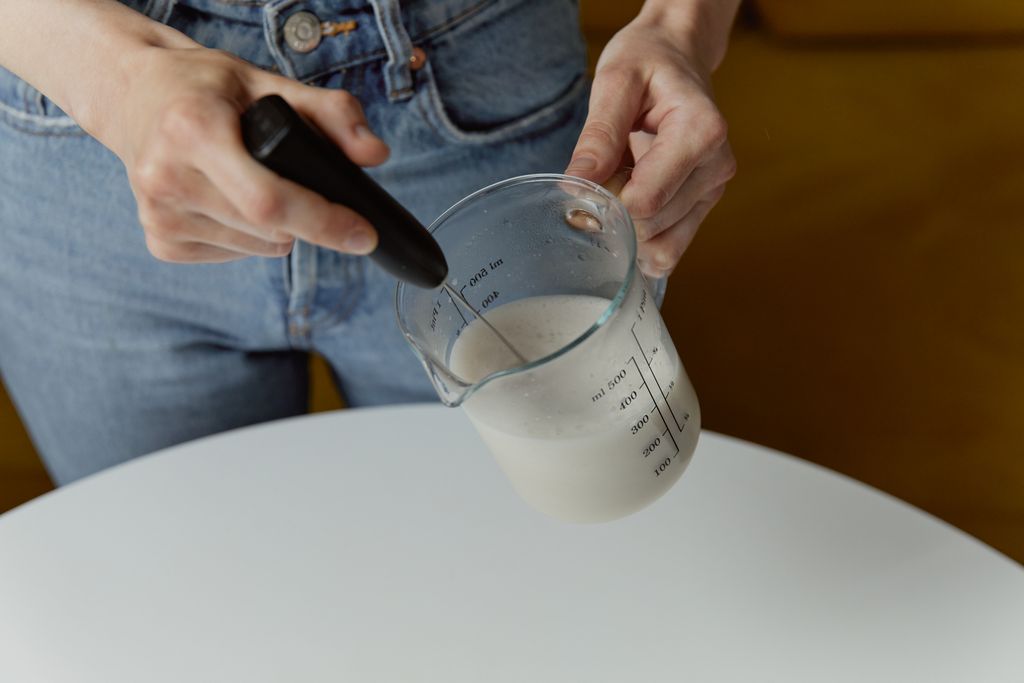
Cooks use gallons to liters for large batches, stock pots, and drinks for a crowd. A recipe that calls for 2 US gallons of stock needs 7.57082 liters, which is easier to measure with a liter jug. A 5 US gallon drinks batch needs 18.92705 liters, so you can scale cups and bottles with calm. If your recipe also needs small liquid measures, read our guides on liquid measurement conversions, cups to ml converter, and ounces to cups converter. Keep each unit in its own step, and label every result before you move on.
Travelers use gallons to liters for water tanks, camping cans, and garden sprays on long trips. A 5 gallon water can is 18.93 US liters, which helps you plan weight and space for a camp. A garden spray that holds 2 UK gallons needs 9.09 liters of mix, so you can dose it right. Check tank labels with liters when your guide uses liters, so your plan stays honest and safe.
Mistakes That Make Gallons to Liters Go Wrong
The most common mistake in gallons to liters is to use the wrong gallon, and it gives a very wrong answer. Some people use the US factor for a UK recipe, which turns 10 UK gallons into 37.85 liters by error instead of 45.46 liters. Others use the UK factor for a US fuel tank, which also shifts the result by about twenty percent. Always ask first whether you start with US or UK gallons, and then pick the right factor for that start.
Rounding too early is the next mistake, and it grows on large volumes in a quiet way. If you round 3.78541 down to 3.7 at the start, then 100 US gallons comes out as 370 liters instead of 378.54 liters. That gap of more than eight liters can change fuel costs, tank plans, and recipe batches. Use the full factor for the sum, and round only at the end for a clean answer.
Mixing fluid ounces with gallons is a third mistake, and it often comes from small measures in the same plan. A cook may mix cups, ounces, and gallons in one recipe, and the result then looks right but is wrong. If your plan also needs ounces, read our guide on how many ounces in a gallon before you scale. Keep each unit in its own step, and label every result before you move on.
US Gallons to Liters Versus UK Gallons to Liters
ANSWER BOX 2:
A UK gallon is larger than a US gallon, so never swap their factors in gallons to liters. One US gallon equals 3.78541 liters, while one UK gallon equals 4.54609 liters. If you mix these two gallons, your gallons to liters result will be wrong by about twenty percent, and the error will grow with volume.
US gallons are used for fuel, milk, and water in the United States, and they are the gallons most readers meet first. UK gallons are used in older British guides, and they still appear in some fuel and farming texts. A UK guide that says 20 gallons means 90.92 liters, while a US guide that says 20 gallons means 75.71 liters, so the two gallons differ a lot. Always check which gallon a guide means before you convert, and never swap them by guess.
The same care applies in reverse, when you turn liters into gallons for a US or UK plan. If a friend asks for the reverse change, our guide to liters to gallons covers both gallons in full. For US plans, divide liters by 3.78541, and for UK plans, divide liters by 4.54609 instead. A clear label, US gallon or UK gallon, stops most mix ups before they start.
Verified Numbers You Can Trust for Gallons to Liters
Three numbers sit at the heart of gallons to liters, and each one comes from a real source you can check. First, one US gallon equals 231 cubic inches, a definition that gives 3.785411784 liters when the inch is set at exactly 2.54 centimeters. Second, one UK imperial gallon equals exactly 4.54609 liters, a value set in the United Kingdom Weights and Measures Act of 1985. Third, one US gallon of water weighs about 8.34 pounds at normal room temperature, a figure used by many science and farming guides.
The National Institute of Standards and Technology, known as NIST, is the United States source for these exact values. NIST publishes the US gallon in cubic inches and the liter in cubic decimeters, so the two units link with no guess. The inch itself was set at exactly 2.54 centimeters by the International Yard and Pound Agreement of 1959. That agreement joined the United States, the United Kingdom, and other nations on one exact yard, and the gallon values follow from it.
These sources matter because many guides online round too far, or they mix US and UK gallons without saying so. When a guide gives no source, treat its factor with care, and test it against the 10 gallon mark of 37.85 US liters. A factor that fails that test will fail on large tanks too, and it is not worth your trust. The values in this guide pass that test, and they match the standards above.
Estimating Gallons to Liters Without a Calculator
The 3.8 rule is the fastest honest estimate for gallons to liters, and it needs no tools at all. Since one US gallon is about 3.8 liters, you can multiply any US gallons by 3.8 for a quick answer. For example, 10 US gallons times 3.8 gives about 38 liters, which is close to the exact 37.85 liters. For 25 US gallons, the estimate gives about 95 liters, close to the exact 94.64 liters.
The 4.5 rule works the same way for UK gallons, since one UK gallon is about 4.5 liters. For example, 10 UK gallons times 4.5 gives about 45 liters, which is close to the exact 45.46 liters. For 20 UK gallons, the estimate gives about 90 liters, close to the exact 90.92 liters. Both rules share one rule, which is to estimate for talk and use the exact factor for action.
Quick Checklist for Gallons to Liters
- Confirm the gallon type is US or UK, not just gallon.
- Multiply US gallons by 3.78541 or UK gallons by 4.54609.
- Round only at the end, to two decimals for fuel or more for exact work.
- Sense check the result against 10 US gallons at 37.85 liters.
- Label the final answer clearly with liters and the gallon type.
- For small measures in the same plan, convert ounces and cups apart.
This checklist fits on one note, and it stops the errors that most often spoil gallons to liters. Use it before you share a plan, fill a tank, or scale a recipe for a crowd. When a result still feels odd after the checklist, run it through the calculator above once more. A second check takes seconds, and it can save money and waste on the road.
Frequently Asked Questions About Gallons to Liters
How many liters is 1 gallon?
One US gallon equals 3.78541 liters, so it is a little less than four liters in daily talk. One UK gallon equals 4.54609 liters, so it is a little more than four and a half liters. For exact work, keep the full factor for your gallon type, since rounding early adds error on large volumes. This single choice is the base for all gallons to liters sums in this guide.
What is the formula for gallons to liters?
The formula is liters equals gallons times 3.78541 for US gallons, and times 4.54609 for UK gallons. You put the gallons in, multiply by the factor, and read the result as liters. For example, 3 US gallons times 3.78541 gives 11.35623 liters, which rounds to 11.36 liters. Keep the factor full until the end, and round only for the final answer.
How do I convert gallons to liters quickly?
For a quick answer, multiply US gallons by 3.8, and you will land very close to the exact liters. This short factor is fine for rough plans, casual talk, and quick fuel guesses. For fuel plans, recipes, and school work, use the full factor of 3.78541 for US gallons instead. The calculator above gives the exact result in seconds when you need it.
How many liters is 5 gallons?
Five US gallons equals 18.93 liters, because 5 times 3.78541 gives 18.92705 liters. Five UK gallons equals 22.73 liters, because 5 times 4.54609 gives 22.73045 liters. This is a common can size for water, fuel, and paint, so it is worth knowing both values. Check the gallon type first, since the two answers differ by nearly four liters.
How many liters is 10 gallons?
Ten US gallons equals 37.85 liters, because 10 times 3.78541 gives 37.8541 liters. Ten UK gallons equals 45.46 liters, because 10 times 4.54609 gives 45.4609 liters. Many drivers use 10 gallons as a check, since it shows whether a conversion is right. If your result for 10 US gallons is far from 37.85 liters, recheck your factor at once.
How many liters is 20 gallons?
Twenty US gallons equals 75.71 liters, because 20 times 3.78541 gives 75.7082 liters. Twenty UK gallons equals 90.92 liters, because 20 times 4.54609 gives 90.9218 liters. This size is common for tanks, drums, and large batches, so the gallon gap grows here. Use the exact factor for such large volumes, since a rough guess can mislead your plan.
How many liters is 1 UK gallon?
One UK gallon equals 4.54609 liters, and it is larger than the US gallon by about 0.76 liters. The UK gallon is also called the imperial gallon, and it appears in older British guides. If a guide says imperial gallon, use 4.54609 and not the US factor of 3.78541. A clear label stops this mix up before it starts.
Which is bigger, a US gallon or a UK gallon?
A UK gallon is bigger than a US gallon, since the UK gallon holds 4.54609 liters and the US gallon holds 3.78541 liters. That means a UK gallon holds about twenty percent more liquid than a US gallon. This is why a number in UK gallons always looks smaller than the same volume in US gallons. When you switch units, check that the liters number fits the gallon type.
What is the difference between a US gallon and a UK gallon?
A US gallon equals 231 cubic inches, while a UK gallon equals 277.42 cubic inches in round terms, so they are not the same. US gallons are used in the United States, while UK gallons come from the British imperial system. If you use a UK gallon for a US fuel plan, your gallons to liters result will be too high. Always check which gallon your pump or guide means before you convert.
Is 3.8 close enough for gallons to liters?
For short daily volumes, 3.8 is close enough, and the error stays small and easy to live with. For example, 10 US gallons with 3.8 gives 38 liters, which is just 0.15 liters above the exact 37.85 liters. On large tanks, the gap grows, so 100 US gallons with 3.8 gives 380 liters instead of 378.54 liters. Use 3.78541 when the tank is large, or when the result drives a real plan.
How do I convert liters back to gallons?
To turn liters into US gallons, divide the liters by 3.78541, which is the exact reverse step. For example, 10 liters divided by 3.78541 gives 2.64172 US gallons, a useful check for any plan. To turn liters into UK gallons, divide by 4.54609 instead, which gives 2.19969 UK gallons for 10 liters. Our reverse guide covers it in full, and it links from the Final Word below.
How many gallons is 100 liters?
One hundred liters equals 26.42 US gallons, because 100 divided by 3.78541 gives 26.41721 gallons. The same 100 liters equals 22.00 UK gallons, because 100 divided by 4.54609 gives 21.99692 gallons. This volume is common in tanks, drums, and water storage, so both values help. Check the gallon type first, since the two answers differ by more than four gallons.
How many liters is a car fuel tank in gallons to liters?
A car fuel tank of 12 US gallons equals 45.42 liters, because 12 times 3.78541 gives 45.42492 liters. A tank of 15 US gallons equals 56.78 liters, because 15 times 3.78541 gives 56.78115 liters. Small cars often hold 12 to 14 gallons, while larger cars hold 15 to 20 gallons. Use your exact tank size, not a guess, when you plan fuel costs abroad.
Can I use my phone to convert gallons to liters?
Yes, your phone calculator can do it, since you only need to multiply by 3.78541 for US gallons. Type the gallons, multiply by 3.78541, and read the result as liters for a fast answer. The calculator in this guide does the same sum, and it also checks the UK gallon and the reverse direction. For trips with no signal, learn the 3.8 rule, so you can still estimate with ease.
Final Word
Gallons to liters is a skill you will use again and again, at pumps, in kitchens, and on trips abroad. Learn the exact factors of 3.78541 for US gallons and 4.54609 for UK gallons, sense check each result, and label every answer with liters and the gallon type. For the reverse change, read our guide to liters to gallons, and for small measures in the same plan, see how many ounces in a gallon, liquid measurement conversions, cups to ml converter, and ounces to cups converter. If your plan also needs distance, our conversion guides will help you link volume, weight, and distance in one clear step.
Start with one tank, one recipe, or one can, and run the 5 best steps from this guide on it. Check the result against the table, and use the checklist before you act on the number. With that habit, gallons to liters will feel simple, and the mistakes in this guide will stay far from your plans. Safe travels, steady measures, and clear numbers on every trip you take.
Learn more: Gallon on Wikipedia