
Introduction
“Pour in one quart of chicken stock.” If that sentence just made you pause and reach for your phone, you’re not alone. The quart sits in a strange blind spot of American kitchens: everyone knows the word, almost nobody can instantly say how many cups are in a quart without doing mental math. And when a recipe scales up — say, doubling a soup from 2 quarts to a full gallon — that hesitation turns into a real risk of a ruined dinner.
Here’s the good news: the quart-to-cup conversion is one of the simplest in all of cooking. One US liquid quart equals exactly 4 US cups. No fractions, no decimal dust, no ingredient-dependent weirdness like you get with grams-to-cups conversions. But there are traps hiding around that simple answer — dry quarts, Imperial quarts, and the classic “is a quart of strawberries a quart of cups?” confusion that has quietly wrecked more than a few jam batches. That is the short answer to how many cups in a quart, and the charts below prove it.
In this complete guide to how many cups in a quart, you’ll get the direct answer, five simple conversion charts (including the fractional and multi-quart rows other sites skip), a full cups-to-quarts reverse chart, ingredient-specific quart yields, metric equivalents, three costly mistakes to avoid, and answers to the seven questions people actually ask about quarts.
Table of Contents
- How Many Cups in a Quart? The Direct Answer
- Chart 1: Quarts to Cups Conversion Table
- Chart 2: Cups to Quarts Reverse Table
- Chart 3: The Gallon-Quart-Pint-Cup Family Tree
- Chart 4: Liquid vs Dry vs Imperial Quart
- Chart 5: Ingredient-Specific Quart Yields
- Metric Equivalents: Quarts in Liters and Milliliters
- 3 Costly Errors Cooks Make With Quarts
- 5 Simple Tips for Measuring Quarts Right
- Q&A: Where Did the Quart Come From?
- Frequently Asked Questions
- Conclusion
How Many Cups in a Quart? The Direct Answer
One US liquid quart equals exactly 4 US cups. That is the entire conversion for everyday American cooking. Half a quart is 2 cups. Two quarts are 8 cups. A gallon — four quarts — is 16 cups. So, how many cups in a quart? Four, every time, in US liquid measure.
Quick Answer: There are 4 US cups in 1 US liquid quart. The formula is: cups = quarts x 4. This holds for all liquids measured in US customary units — milk, water, stock, oil, juice.
One US liquid quart contains exactly 4 US cups. To convert quarts to cups, multiply the number of quarts by 4.
The quart is defined in US customary law as one quarter of a gallon, or 32 fluid ounces. Since a US cup is 8 fluid ounces, the math resolves cleanly: 32 divided by 8 = 4. The National Institute of Standards and Technology fixes the US liquid quart at exactly 946.352946 milliliters, and the US cup at 236.5882365 milliliters — divide the two and you get precisely 4 (NIST, SP 811).
Why This Answer Is (Usually) Enough
Unlike weight-to-volume conversions, where the answer changes with every ingredient, the quart-to-cup conversion is pure volume. A cup of water and a cup of flour both occupy the same space; only their weights differ. So when a recipe says “2 quarts,” it always means 8 cups of volume, whatever the ingredient. That is what makes this conversion one of the most reliable in the kitchen — and why it is worth memorizing cold. Once you know how many cups in a quart, scaling any recipe is simple: convert to cups first, then multiply or divide.
Chart 1: Quarts to Cups Conversion Table
This is the chart most cooks actually need when they ask how many cups in a quart: standard whole quarts, the common fractions, and the multi-quart amounts other guides skip. Bookmark it.
| Quarts | US Cups | Fluid Ounces | Milliliters | Everyday Example |
|---|---|---|---|---|
| 1/4 quart | 1 cup | 8 fl oz | 237 ml | A large coffee |
| 1/2 quart (1 pint) | 2 cups | 16 fl oz | 473 ml | A pint of cream |
| 3/4 quart | 3 cups | 24 fl oz | 710 ml | A large soup bowl x 2 |
| 1 quart | 4 cups | 32 fl oz | 946 ml | Standard milk carton (quart) |
| 1.5 quarts | 6 cups | 48 fl oz | 1,419 ml | A big batch of stock |
| 2 quarts (1/2 gallon) | 8 cups | 64 fl oz | 1,893 ml | Half-gallon milk jug |
| 2.5 quarts | 10 cups | 80 fl oz | 2,366 ml | Party punch base |
| 3 quarts | 12 cups | 96 fl oz | 2,839 ml | Large slow-cooker batch |
| 4 quarts (1 gallon) | 16 cups | 128 fl oz | 3,785 ml | Gallon milk jug |
| 4.5 quarts | 18 cups | 144 fl oz | 4,259 ml | Big canning kettle |
| 5 quarts | 20 cups | 160 fl oz | 4,732 ml | Stockpot of soup |
| 6 quarts | 24 cups | 192 fl oz | 5,678 ml | Full large stockpot |
Two quarts equal 8 cups, three quarts equal 12 cups, and four quarts (one gallon) equal 16 cups. Multiply quarts by 4 to get cups. When you ask how many cups in a quart, that multiplication is the whole method.
How Many Cups in 4 Quarts?
Sixteen. Four quarts is exactly one US gallon, and a gallon holds 16 US cups. This is the multi-quart question people search most — holiday cooks scaling up gravy, stock, and punch recipes for a crowd.
How Many Cups in 2 Quarts?
Eight cups. Two quarts is half a gallon — the size of a standard half-gallon milk jug, which conveniently holds 8 cups. If a recipe calls for 2 quarts of stock and you only have a 1-cup measure, count out 8 scoops.
Q&A: What about 4.5 quarts to cups?
Multiply 4.5 by 4 to get 18 cups. Fractional quart amounts trip people up because they try to work in ounces first (4.5 x 32 = 144 fl oz, then divided by 8). Skip the detour: quarts x 4 always works, decimals included.
Chart 2: Cups to Quarts Reverse Table
Sometimes the conversion runs the other way: your recipe is in cups, but your measuring container is marked in quarts. Divide cups by 4. This reverse view of how many cups in a quart is handy when you already have cups and need quarts.
| US Cups | Quarts | Fluid Ounces | Milliliters |
|---|---|---|---|
| 1 cup | 1/4 quart | 8 fl oz | 237 ml |
| 2 cups | 1/2 quart | 16 fl oz | 473 ml |
| 3 cups | 3/4 quart | 24 fl oz | 710 ml |
| 4 cups | 1 quart | 32 fl oz | 946 ml |
| 5 cups | 1 1/4 quarts | 40 fl oz | 1,183 ml |
| 6 cups | 1 1/2 quarts | 48 fl oz | 1,419 ml |
| 8 cups | 2 quarts | 64 fl oz | 1,893 ml |
| 10 cups | 2 1/2 quarts | 80 fl oz | 2,366 ml |
| 12 cups | 3 quarts | 96 fl oz | 2,839 ml |
| 16 cups | 4 quarts (1 gallon) | 128 fl oz | 3,785 ml |
To convert cups to quarts, divide the number of cups by 4. Eight cups equal 2 quarts; sixteen cups equal 4 quarts, or one gallon.
If you need this reverse conversion often — scaling baking recipes, for instance — our liters to cups converter and cups to ml converter cover the metric side of the same kitchen math.
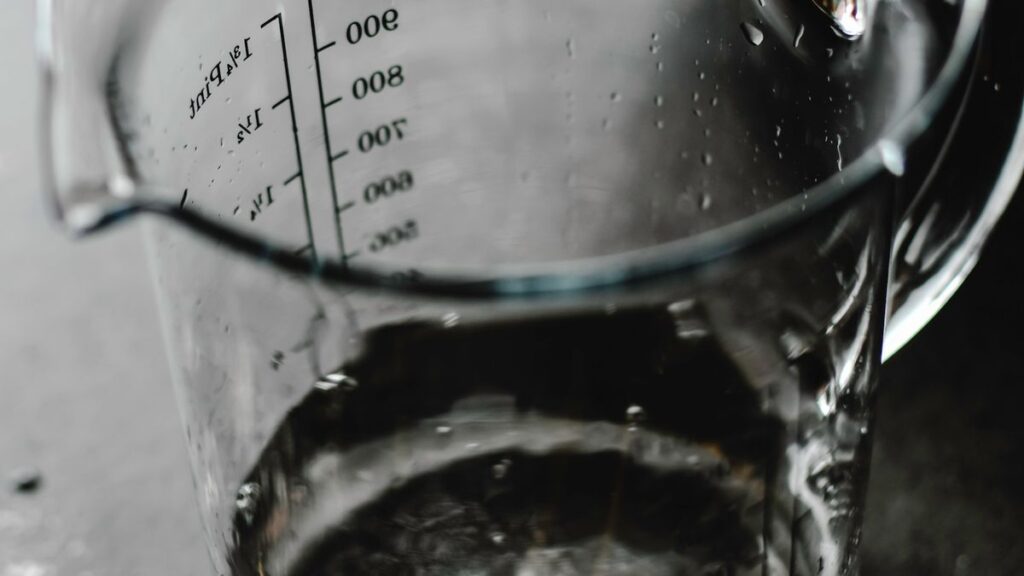
Chart 3: The Gallon-Quart-Pint-Cup Family Tree
Quarts don’t live alone. They sit in the middle of the US customary volume family, and seeing the whole ladder at once is the fastest way to stop second-guessing how many cups in a quart and how quarts relate to gallons and pints:
| Unit | Cups | Pints | Quarts | Fluid Ounces | Milliliters |
|---|---|---|---|---|---|
| 1 cup | 1 | 1/2 | 1/4 | 8 | 237 |
| 1 pint | 2 | 1 | 1/2 | 16 | 473 |
| 1 quart | 4 | 2 | 1 | 32 | 946 |
| 1/2 gallon | 8 | 4 | 2 | 64 | 1,893 |
| 1 gallon | 16 | 8 | 4 | 128 | 3,785 |
The classic mnemonic still works: 2 cups in a pint, 2 pints in a quart, 4 quarts in a gallon. Memorize that chain and you can derive any conversion in the family in seconds.
Q&A: How many quarts are in a gallon?
Four. A gallon is defined as 4 quarts, which is 16 cups, 8 pints, or 128 fluid ounces. Half a gallon is 2 quarts (8 cups), and a pint is half a quart (2 cups).
Chart 4: Liquid vs Dry vs Imperial Quart
Here is where the “simple” answer gets its asterisks. Not all quarts are the same quart, and that is why how many cups in a quart can seem to change with the quart type:
| Quart Type | Definition | US Cups | Milliliters | Where You’ll Meet It |
|---|---|---|---|---|
| US liquid quart | 1/4 US gallon | 4 cups | 946.35 ml | Everyday US recipes, milk cartons |
| US dry quart | 1/32 US bushel | 4.65 cups approx. | 1,101.22 ml | Produce (berries, rarely used today) |
| Imperial quart | 1/4 Imperial gallon | 4.8 US cups approx. | 1,136.52 ml | UK/Canadian recipes, older cookbooks |
| Metric “quart” | Not an official unit | 4 metric cups (250 ml) = 1,000 ml | 1,000 ml | Rough metric approximation |
The US liquid quart is what your recipe means 99% of the time. The dry quart survives mainly in produce measurements (a “quart of strawberries” at a farm stand is technically a dry quart, about 1.25-1.5 pounds of berries). The Imperial quart matters only if you’re cooking from a British or older Canadian cookbook — it’s about 20% larger than the US quart, enough to throw off a recipe. The FDA’s Food Labeling Guide uses US customary cup measures for nutrition serving sizes, which is one more reason to default to the US liquid quart in the kitchen.
Q&A: Is a quart of strawberries 4 cups?
Roughly, yes — a quart basket of strawberries holds about 4 cups of whole berries (around 1.25 pounds). But note this is a dry quart basket, so if you’re measuring hulled and sliced berries into a liquid measuring cup, you’ll get closer to 3-3.5 cups after settling. For jam and canning, weigh the fruit instead of trusting the basket.
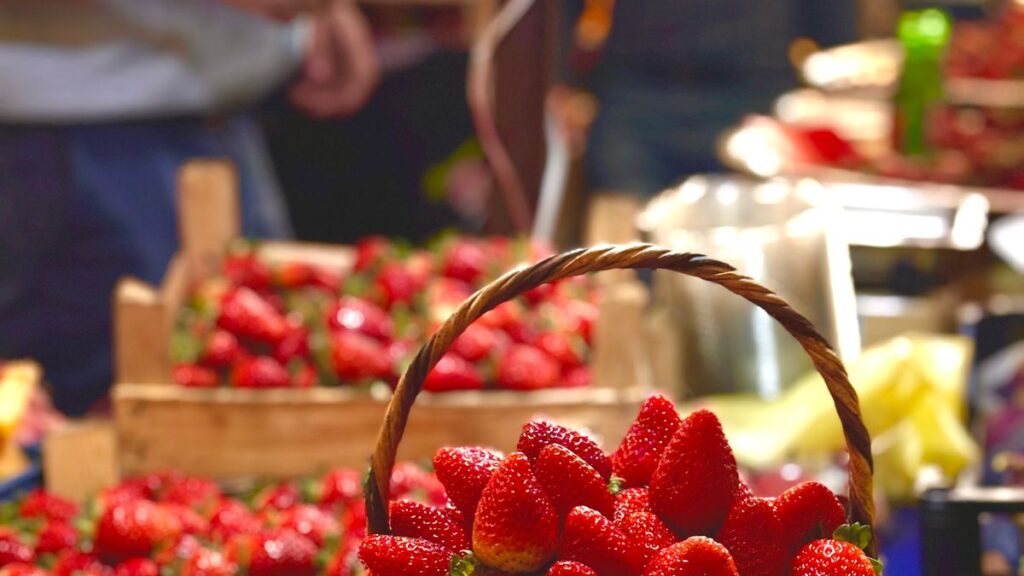
Chart 5: Ingredient-Specific Quart Yields
Volume is volume — a quart container always holds 4 cups of space. But cooks also ask what a quart of something gives them, because packaging and settling change the practical answer. For each ingredient below, the question of how many cups in a quart still starts with 4 cups of space:
| Ingredient (1 quart) | Practical Yield | Weight (approx.) | Notes |
|---|---|---|---|
| Water or milk | 4 cups | 2 lb (32 oz) | Density approx. 1, so volume and weight track cleanly |
| Chicken or vegetable stock | 4 cups | approx. 2 lb | Standard recipe quart |
| Heavy cream (1 pint is 2 cups) | 4 cups per quart | approx. 2 lb | Whipped, it roughly doubles in volume |
| Ice cream (1 quart tub) | 4 cups | approx. 1 lb | Air whipped in makes it light; melts down to about 3 cups |
| Strawberries (quart basket) | about 4 cups whole, about 3 cups sliced | about 1.25 lb | Dry quart basket; berries settle when sliced |
| Blueberries (quart basket) | about 4 cups | about 1.5 lb | Denser than strawberries |
| Flour (dry quart) | about 4.65 cups | about 1.1 lb | The rare case where the dry quart matters |
| Sugar, granulated | 4 cups (liquid measure) | about 1.75 lb | Packs denser than flour |
A quart of milk or water equals 4 cups and weighs about 2 pounds. A quart of ice cream also scoops to about 4 cups, while a quart basket of strawberries yields roughly 4 cups whole or 3 cups sliced.
How Many Cups in a Quart of Water?
Exactly 4 cups — and because water’s density is 1 gram per milliliter, that quart also weighs 946 grams (about 2.08 pounds). Water is the reference everything else is measured against, so when in doubt, the water answer is the safe answer.
How Many Cups in a Quart of Milk?
Four cups. A standard US milk carton labeled “1 QT” holds 32 fluid ounces, which is 4 US cups. Half-gallon jugs (2 quarts) hold 8 cups, and gallon jugs (4 quarts) hold 16 cups — the dairy aisle is secretly a conversion chart.
Metric Equivalents: Quarts in Liters and Milliliters
For cooks working between US recipes and metric tools, and wondering how many cups in a quart in metric terms:
- 1 US liquid quart = 946.35 ml = 0.946 liters (just under a liter — a handy mental shortcut is “a quart is a liter minus a shot glass”)
- 1 liter = 1.057 US quarts = 4.227 US cups
- 1 US cup = 236.59 ml, so 4 cups = 946.35 ml — the math checks out
- 1 Imperial quart = 1.137 liters
- 1 US dry quart = 1.101 liters
If your recipe is fully metric and your tools are in cups, start with our cups to ml converter to translate precisely, then use the quart tables above for the big-picture scaling.
Q&A: Is a quart the same as a liter?
Close, but not exact. A US liquid quart (946 ml) is about 5% smaller than a liter (1,000 ml). For soups, stocks, and brines the difference is negligible. For baking and canning — where ratios matter — measure precisely instead of swapping one for the other.
3 Costly Errors Cooks Make With Quarts
The conversion itself is easy; the errors come from everything around it. These are the three that actually ruin food, and each one starts with getting how many cups in a quart wrong for the quart type in hand:
Error 1: Using the Imperial Quart in a US Recipe
An Imperial quart is 1,136 ml versus the US quart’s 946 ml — nearly a cup and a half of extra liquid per quart. Follow a British recipe’s “2 quarts of stock” with US measuring tools (or vice versa) and your soup’s seasoning, thickness, and cooking time all drift. The fix: check the cookbook’s origin. UK, Australia, or pre-1990s Canada? Assume Imperial and scale up 20%, or convert to milliliters and measure metric.
Error 2: Treating a Dry Quart Basket as 4 Level Cups
A quart basket of berries is a dry quart — about 16% roomier than the liquid quart your measuring cups assume. Worse, whole fruit doesn’t pack: a “quart of strawberries” scoops to 4 cups whole but settles to about 3 cups sliced. For jam, pie filling, or canning, weigh the fruit instead of counting baskets. Strawberries run about 1.25 pounds per quart basket; blueberries about 1.5.
Error 3: Eyeballing Halves and Doubles Instead of Converting
“Half a quart” is 2 cups — easy. But “half of 3 quarts” sends cooks into guesswork, and scaled recipes are where salt, leavening, and liquid ratios quietly break. The fix: convert to cups first, then halve or double the cups. 3 quarts = 12 cups; half is 6 cups; double is 24 cups (6 quarts). Cups are the friendliest unit for recipe math because every measuring set includes them. For trickier scaling between weight and volume, our tablespoons to cups guide and grams to cups converter handle the conversions cups can’t.
5 Simple Tips for Measuring Quarts Right
- Memorize the chain, not just the answer. “2 cups in a pint, 2 pints in a quart, 4 quarts in a gallon” lets you rebuild any conversion from scratch — more reliable than memorizing twelve separate facts. It also answers how many cups in a quart without a calculator.
- Measure liquids in liquid measures. A quart-size liquid measuring cup (the glass kind with a spout) at eye level beats scooping with dry cups. Meniscus matters: read the bottom of the curve.
- Mark your own containers. Pour 4 cups of water into your favorite pitcher and mark the quart line with a permanent marker. You’ll never look it up again.
- When scaling, convert everything to cups first. Cups are the common denominator of US recipes. Convert quarts, pints, and ounces to cups, do your doubling or halving, then convert back only if you want.
- For canning and baking, go metric. Quarts and cups are perfect for everyday cooking, but when precision decides the outcome, 946 ml on a kitchen scale (1 ml of water = 1 gram) removes all doubt. Our ounces to cups converter explains the fluid-vs-dry ounce trap that metric sidesteps entirely.
Q&A: Where Did the Quart Come From?
The word “quart” comes from the Latin quartus, meaning fourth — it has literally always meant “a quarter of a gallon.” The unit traveled from medieval English wine and ale measures through colonial America, where the US eventually fixed its gallon at 231 cubic inches (the old English wine gallon) while Britain redefined theirs in 1824 as the volume of 10 pounds of water. That 1824 split is the entire reason the US and Imperial quarts differ today, and why how many cups in a quart still depends on which quart a recipe means. The US National Institute of Standards and Technology still maintains the exact metric definitions of these customary units in Special Publication 811.
Frequently Asked Questions
How many cups in a quart?
Exactly 4 US cups in 1 US liquid quart. Multiply quarts by 4 to convert. To answer how many cups in a quart in one line: 4 US cups in 1 US liquid quart.
How many cups in 2 quarts?
8 cups. Two quarts is half a gallon. So, scaled up, how many cups in a quart gives 8 cups for 2 quarts.
How many cups in 4 quarts?
16 cups. Four quarts equals one full US gallon. That is how many cups in a quart, multiplied by four.
How many ounces in a quart?
32 fluid ounces in a US liquid quart; about 33.8 fluid ounces (1,000 ml) in a rough metric quart. If you ask how many cups in a quart by ounces, divide 32 by 8 to get 4 cups.
How many pints in a quart?
2 pints. A pint is half a quart, or 2 cups. Knowing how many cups in a quart also tells you pints: half of 4 cups is 2 cups, or 1 pint.
Is 4 cups the same as 1 quart?
Yes — in US liquid measure, 4 US cups exactly equal 1 US liquid quart (32 fluid ounces, 946 ml). In short, how many cups in a quart is 4, so 4 cups is 1 quart.
How many cups in a half quart?
2 cups — the same as one pint. That is half of how many cups in a quart.
Conclusion
One US liquid quart = 4 US cups. That single fact, plus the chain “2 cups in a pint, 2 pints in a quart, 4 quarts in a gallon,” covers nearly every quart conversion a cook will ever face. Keep the five charts above bookmarked for the fractional, reverse, and ingredient-specific cases, watch out for the Imperial-quart and dry-basket traps, and convert to cups before scaling any recipe. If you ever forget how many cups in a quart, remember 4.
If this guide saved you a ruined batch, the rest of the kitchen-conversion library is one click away: start with how many ounces in a cup for the fluid-vs-dry distinction, or grab the big picture from our liters to cups converter. This guide to how many cups in a quart is part of that library.