
How to Play Mahjong: A Simple Beginner Guide, Avoid 5 Mistakes

How to play mahjong is easier than it looks, and this simple beginner guide takes you from zero to your first full game. Mahjong is a tile game for four players, and each player builds a hand of 13 tiles, draws and discards in turn, and tries to complete four sets and a pair. The game mixes luck, memory, and planning, and a full round takes about 20 to 30 minutes.
Mahjong was developed in the 19th century in China, and it spread throughout the world in the early 20th century. A standard set has 144 tiles, and the winning hand is four sets and a pair, a total of 14 tiles. The earliest surviving tile sets date to around 1870, and they were found in Fuzhou, Shanghai, and Ningbo. Joseph Babcock introduced the game to the West after World War I.
[SNIPPET TARGET] Mahjong is a tile game for four players, and each player builds a hand of 13 tiles. Players draw one tile and discard one tile in turn, and the first to complete four sets and a pair wins. A standard set has 144 tiles.
ANSWER BOX 1
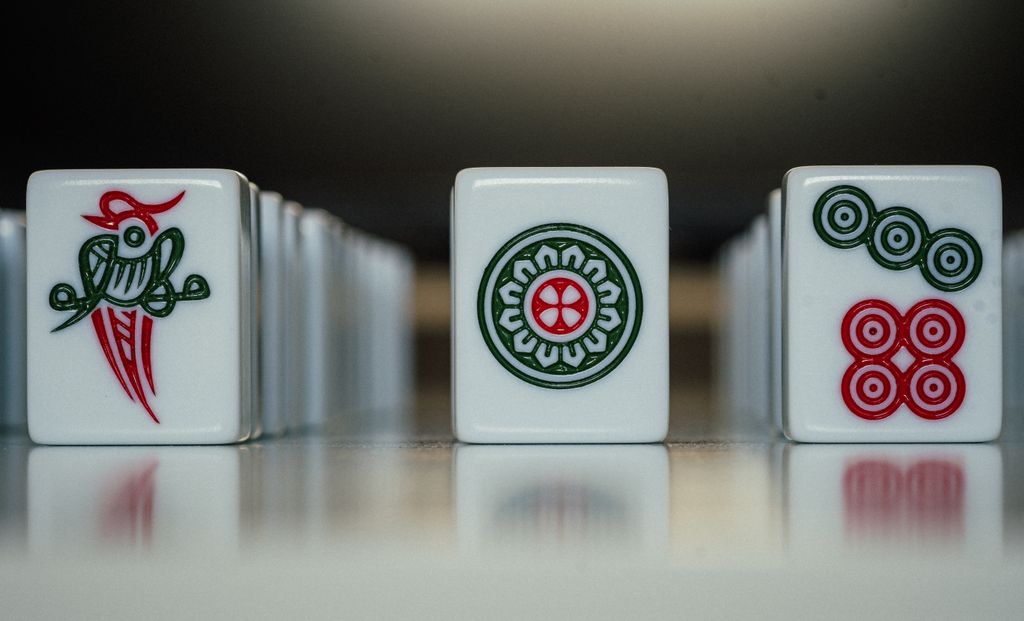
Mahjong is played with 144 tiles, and each player starts with 13 tiles. The three suits are dots, bamboo, and characters, and each suit runs from 1 to 9 with four copies of each tile. Honor tiles are winds and dragons, and bonus tiles are flowers and seasons.
ANSWER BOX 2
The simplest way to learn mahjong is to play your first game with open hands, so everyone can see every tile. Deal 13 tiles to each player, take turns drawing and discarding, and ask questions as you go.
KEY TAKEAWAYS
- Mahjong is a tile game for four players, and each player starts with 13 tiles.
- A standard set has 144 tiles: three suits, honor tiles, and bonus tiles.
- Players draw one tile and discard one tile in turn.
- The winner is the first player to complete four sets and a pair, a total of 14 tiles.
- Play your first game with open hands so everyone can learn together.
Contents
- What is mahjong?
- The mahjong tiles explained
- How to play mahjong in 7 simple steps
- The winning hand: sets, pairs, and scoring
- Mahjong vs rummy: what is the difference?
- 5 mistakes to avoid when you play mahjong
- FAQ
What Is Mahjong?
Mahjong is a tile game from China, played around family tables for well over a century. Four players sit around a table, and each one builds a hand from a shared set of tiles. The goal is simple to state and hard to master: complete four sets and a pair before anyone else does.
The game feels like rummy with tiles, and that comparison helps new players learn fast. In rummy, you draw a card and discard a card to build sets, and mahjong works the same way with tiles. The game is social, because players watch each other’s discards and guess what hands they are building.
Mahjong has many regional versions, and the rules change a little from place to place. This guide teaches the simple Hong Kong style, the easiest version for a beginner. Once you know it, you can learn the other styles later.
The Mahjong Tiles Explained
A standard set has 144 tiles in three groups: suits, honors, and bonus tiles. The table below shows every group, and it is the one thing to keep beside you during your first game. Learn the suits first, then the honors.
| Tile group | Tiles | Count | What to know |
|---|---|---|---|
| Dots (circles) | 1 to 9, four of each | 36 | Numbered circles, easy to read |
| Bamboo (sticks) | 1 to 9, four of each | 36 | Numbered bamboo sticks |
| Characters | 1 to 9, four of each | 36 | Chinese number characters |
| Winds | East, South, West, North | 16 | Four of each wind |
| Dragons | Red, Green, White | 12 | Four of each dragon |
| Flowers | Four flower tiles | 4 | Bonus tiles, set aside when drawn |
| Seasons | Four season tiles | 4 | Bonus tiles, set aside when drawn |
| Total | All tiles together | 144 | Four sets and a pair wins the hand |
The three suits work like the suits in a card game, and each suit runs from 1 to 9. Dots show circles, bamboo shows sticks, and characters show Chinese numbers, which take a little practice to read. Honor tiles are winds and dragons, and they only form sets of three identical tiles. Bonus tiles are flowers and seasons, and you set them aside when you draw one. Sort your tiles by suit as they are dealt, because a sorted hand is far easier to read.
How to Play Mahjong in 7 Simple Steps
These seven steps cover the setup, the deal, the turns, and the win, and they use the simple Hong Kong style. Play your first game slowly, and keep the tile table beside you.
- Build the wall. Mix all 144 tiles face down, then build a square wall two tiles high around the center. Each side has 18 stacks of two tiles.
- Pick the dealer and deal the tiles. Roll the dice to pick the dealer, who takes 14 tiles while the other three players take 13 each.
- Sort your hand by suit. Arrange your tiles into groups: dots, bamboo, characters, and honors together. A sorted hand shows the sets you already have.
- Draw one tile on your turn. Take one tile from the wall, add it to your hand, and look for a set it completes. If you draw a flower or season, set it aside and draw a replacement.
- Discard one tile face up. After you draw, discard one tile you do not need and place it face up in the center. Watch the discards, because they show what hands others are building.
- Claim a discard to complete a set. If another player discards a tile you need, claim it by calling “pung” for three identical tiles or “chow” for a run of three. Show the set face up, then discard as normal.
- Win with four sets and a pair. The first player to hold four sets and a pair, a total of 14 tiles, calls “mahjong.” Show your hand, count the score, and deal again.
The Winning Hand: Sets, Pairs, and Scoring
The winning hand is four sets and a pair, and the sets come in three kinds. A pung is three identical tiles, such as three 5 of dots. A chow is a run of three tiles in the same suit, such as 4, 5, and 6 of bamboo. A kong is four identical tiles, and it counts as a set with a bonus draw. A full hand has 14 tiles.
Scoring in the simple Hong Kong style is easy. The winner scores one point for each set, plus bonus points for flower tiles and for a win on a self-drawn tile. A pung of dragons or winds scores extra, and a hand with all one suit scores the most. Most family games keep the score on paper.
The best way to learn scoring is to play five slow games with open hands. After five games, the sets will feel natural, and you will see which tiles to keep. The skill in mahjong is reading the discards and guessing what the other players need.
Mahjong vs Rummy: What Is the Difference?
Most new players already know rummy, and the comparison makes mahjong far easier to learn. The table below shows how the two games match. If you can play rummy, you can learn mahjong in one evening.
| Feature | Mahjong | Rummy |
|---|---|---|
| Pieces | 144 tiles | 52 cards plus jokers |
| Players | Four, usually | Two to six |
| Hand size | 13 tiles, 14 to win | 10 or 13 cards |
| Draw and discard | One tile per turn | One card per turn |
| Sets | Pung, chow, kong | Sets and runs |
| Win | Four sets and a pair | All cards in sets |
| Hidden info | Discards show the plan | Discards show the plan |
| Extra layer | Winds, dragons, flowers | Jokers and wild cards |
The biggest difference is the tiles, and they change how the game feels. The honors and bonus tiles add a layer that rummy does not have. The core skill is the same in both games: watch the discards, remember what is gone, and build your hand first.
5 Mistakes to Avoid When You Play Mahjong
These five mistakes cause most of the trouble for new players. Read the list before your first game.
- Keeping every tile you like. New players hold on to too many tiles and never commit to a hand. Pick a plan early, and discard the tiles that do not fit it.
- Ignoring the discards. The discards show what other players need, and ignoring them means you feed them the tiles they want. Watch every discard.
- Chasing one perfect hand. A hand that needs one rare tile will lose to a simple hand that finishes fast. Take the easy win when you can.
- Forgetting the bonus tiles. Flowers and seasons are set aside when drawn, and new players forget to draw a replacement. A short hand cannot win.
- Playing too fast on your first game. Speed comes with practice, and rushing leads to bad discards. Take your time, sort your hand after every draw, and ask questions.
If your group loves table games, our guide on true or false gives you a fast quiz game for the same night. Our guide on snap planets explains another game where the setting matters, and our guide on contexto is a word game you can play alone.

How to Play Mahjong FAQ
How many players do you need to play mahjong?
You need four players for the classic game, though some versions work with two or three. Four is the standard, because the wall, the deal, and the turn order are built for four.
How many tiles are in a mahjong set?
A standard set has 144 tiles, built from three suits, honor tiles, and bonus tiles. The suits are dots, bamboo, and characters, with 36 tiles each.
What is the goal of mahjong?
The goal is to be the first player to complete four sets and a pair, a total of 14 tiles. A set is a pung, a chow, or a kong, and the pair is two identical tiles.
How long does a game of mahjong take?
One hand takes about 15 to 20 minutes, and a full game of four rounds takes about one hour. Beginners play slower, and the first few games can take longer.
Is mahjong hard to learn?
Mahjong looks hard at first, but it is easy to learn with the right guide. The tiles take one game to recognize, and the draw and discard flow takes one more.
What is the difference between mahjong and mahjong solitaire?
Mahjong is a four-player game where players draw and discard to build sets, while mahjong solitaire is a solo game where you match and remove pairs of tiles. The two share the same tiles but play very differently.
Can you play mahjong online?
Yes, you can play mahjong online on many free sites and apps, and it is a good way to practice. The computer sorts your tiles and checks your hand.
What are the suits in mahjong?
The three suits are dots, bamboo, and characters, and each suit runs from 1 to 9 with four copies of each tile. Dots show circles, bamboo shows sticks, and characters show Chinese numbers.
What is a pung, a chow, and a kong in mahjong?
A pung is three identical tiles, a chow is a run of three tiles in the same suit, and a kong is four identical tiles. The winning hand needs four sets of any kind plus a pair.
Do you need a special table to play mahjong?
No, you do not need a special table, and any large table works for a home game. The wall needs space in the center, and each player needs room for 13 tiles.
How do you win at mahjong?
You win by being the first to hold four sets and a pair, a total of 14 tiles, and calling “mahjong.” You can win on a tile you draw or on a tile another player discards.
Where did mahjong come from?
Mahjong was developed in the 19th century in China, and it spread throughout the world in the early 20th century. The earliest surviving tile sets date to around 1870.
Final Word
How to play mahjong is a skill you can learn in one evening, and this guide gives you everything you need for your first game. Learn the tiles, build the wall, draw and discard in turn, and aim for four sets and a pair. Play your first game with open hands, and do not chase one perfect hand. Our guide on truth or dare questions gives you a party game for the same night, and our guide on true or false is a fast quiz game everyone can play. Our guide on what does pmo mean explains another term from the same online world.
Read more about the game on Wikipedia: https://en.wikipedia.org/wiki/Mahjong