
To convert feet to inches, multiply the number of feet by 12, because one foot holds exactly 12 inches. So 5 feet equals 60 inches, 6 feet equals 72 inches, and 10 feet equals 120 inches. If you have feet plus extra inches, such as 5 feet 6 inches, first convert the feet part (5 times 12 is 60), then add the extra inches (60 plus 6 is 66 inches). The calculator below does this math for you, and the table further down covers whole feet from 1 to 20 at a glance.
Quick answer: Multiply feet by 12 to get inches. One foot equals 12 inches exactly, so 5 feet equals 60 inches and 8 feet equals 96 inches. For a mixed height like 5 feet 6 inches, convert the feet first, then add the extra inches. The result for 5 feet 6 inches is 66 inches.
Reverse in one line: The reverse works just as simply. Divide inches by 12 to get feet, and the remainder is the leftover inches. So 66 inches divided by 12 gives 5 feet with 6 inches left over. Use the calculator below for both directions, and check your answer by running it back the other way.
Feet to Inches Calculator
5 ft 6 in = 66 inches
66 in = 5 ft 6 in
The Simple Formula for Feet to Inches
The formula has one step and one number to remember. Inches equal feet times 12, written as in = ft x 12. That number never changes, because the foot is defined as exactly 12 inches in the imperial system. This exact link also fixes the foot in metric terms, since one international foot equals 0.3048 meters exactly. You do not need a second formula for whole feet, and you do not need to round whole foot answers at all. The only extra step comes with mixed measures, where you add leftover inches after the multiply step. Keep the formula visible while you work, and most errors vanish before they start. A calculator helps, but the formula itself is short enough to use in your head for small numbers.
5 Easy Steps to Convert Feet to Inches Without Errors
Step 1 is to write down the feet value on its own, apart from any extra inches. So 5 feet 6 inches becomes 5 feet, plus a separate 6 inches to handle later. Step 2 is to multiply the feet by 12, which gives 60 inches for 5 feet. Step 3 is to add the extra inches, if any, so 60 plus 6 gives 66 inches. Step 4 is to check the answer by reversing it, since 66 divided by 12 gives 5 with 6 left over. Step 5 is to round only at the end, and only when the input itself holds a decimal, such as 5.5 feet. Rounding early is a classic error, because it shifts every later digit by a small but real amount. Follow these five steps in order, and the method stays correct for heights, rooms, boards, and fabric alike.
Worked Examples You Can Check in Seconds
A height of 5 feet 6 inches converts to 66 inches, since 5 times 12 is 60, plus 6 is 66. A height of 6 feet 2 inches converts to 74 inches, since 6 times 12 is 72, plus 2 is 74. A room wall of 12 feet converts to 144 inches, since 12 times 12 is 144, with no extra inches to add. A board of 8.5 feet converts to 102 inches, since 8 times 12 is 96, and 0.5 times 12 is 6, which sums to 102. A garden bed of 3 feet 9 inches converts to 45 inches, since 3 times 12 is 36, plus 9 is 45. Try each example in the calculator above, and confirm that your hand math matches the tool. When hand math and tool agree, you can trust the answer for cutting, ordering, or fitting.

Feet to Inches Conversion Table
| Feet | Inches | Common use |
|---|---|---|
| 1 ft | 12 in | Small shelf height |
| 2 ft | 24 in | Counter depth |
| 3 ft | 36 in | Child height |
| 4 ft | 48 in | Fence panel |
| 5 ft | 60 in | Short adult height |
| 5 ft 6 in | 66 in | Average adult height |
| 6 ft | 72 in | Tall adult height |
| 8 ft | 96 in | Standard ceiling |
| 10 ft | 120 in | Room length |
| 12 ft | 144 in | Long wall |
| 20 ft | 240 in | Large room |
Use the table for quick checks, and use the calculator for odd values like 7 feet 4 inches. Tables save time on round numbers, but they cannot cover every decimal, so keep both tools handy. If a table value and your calculator disagree, recheck the feet value first, since a typed 6 instead of 5 is the most common slip. A table also helps when you shop, because many product specs list inches while room plans list feet. Keep this page open on your phone during a store visit, and conversions take seconds.
How to Convert Inches Back to Feet
Reverse conversion matters when a spec lists inches but your plan uses feet and inches. Divide the inches by 12, and the whole number part is the feet. The remainder after that division is the leftover inches, so 70 inches gives 5 feet with 10 inches left over. For decimals, keep two places at most, since finer detail rarely helps for heights or rooms. A height of 68 inches is 5 feet 8 inches, which most people find easier to picture than 5.67 feet. Our companion guide on how to convert inches to feet covers this reverse trip in full detail: https://www.techwole.com/how-to-convert-inches-to-feet/ When you convert both ways as a check, a mismatch points straight to the step where the error crept in. That round trip check is the single best habit in all unit conversion work.
Real Life Uses: Height, Rooms, and DIY Projects
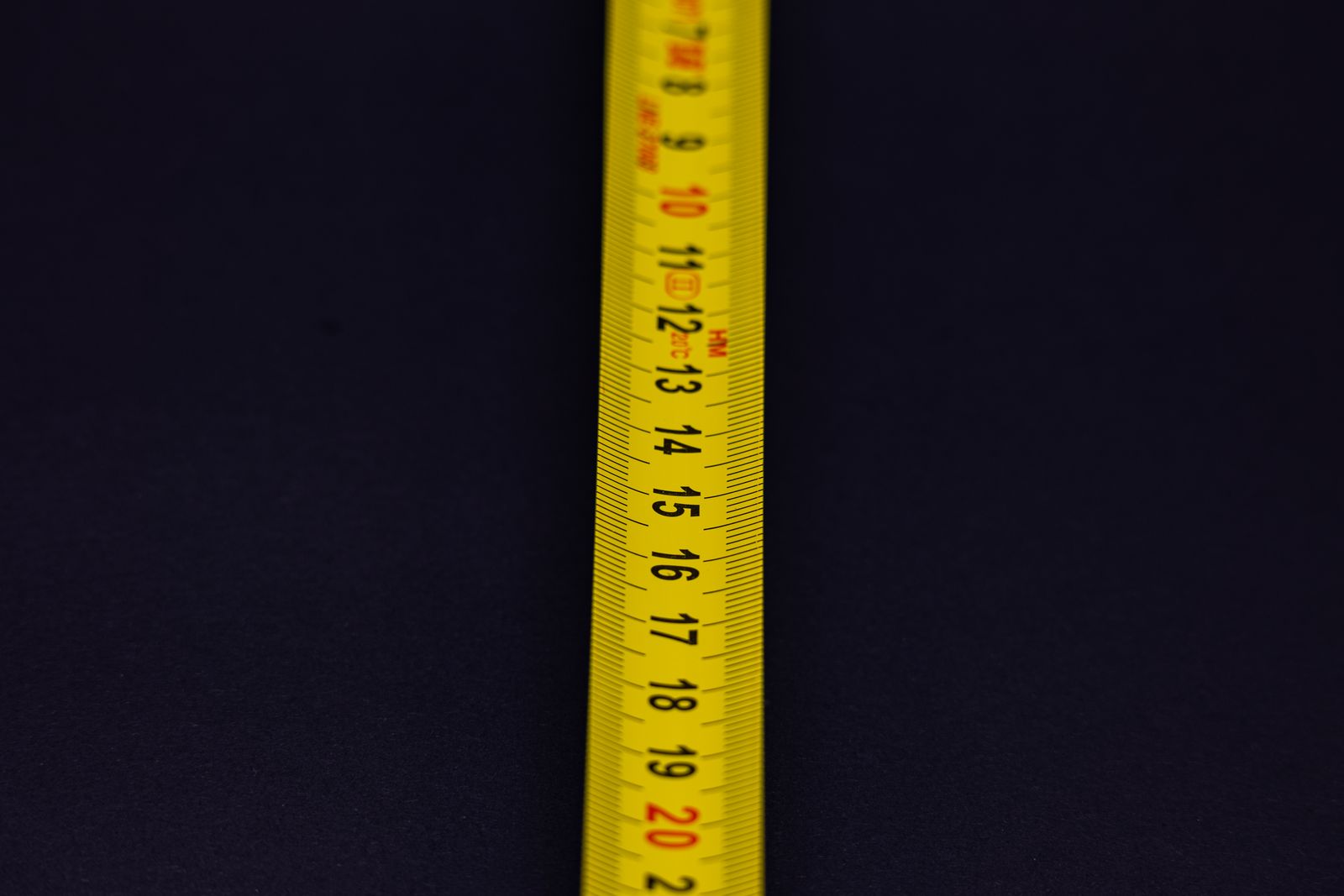
Height is the most common use, since doctors, sports forms, and ID records often want inches alone. A height of 5 feet 9 inches is 69 inches, and that single number fits forms that reject mixed units. Room planning is the second use, since paint, flooring, and curtains often price by the inch or the foot. A 12 foot wall needs 144 inches of trim, and ordering by the wrong unit can double or halve your order. DIY work is the third use, since timber, pipes, and fabric all cut in inches on most US tools. A tape measure shows both units, but saw guides and drill settings often read inches only. Knowing the multiply by 12 rule lets you move between plan and tool without a second search. It also helps when you compare products, since one listing may give feet while another gives inches.
The Two Feet: Why Old Surveys Used a Slightly Different Foot
Here is the section most conversion guides skip, and it explains a real source of tiny errors. The United States once used two definitions of the foot at the same time. The international foot, set by agreement in 1959, equals 0.3048 meters exactly, and it is the foot used today. The older US survey foot equaled 1200 divided by 3937 meters, which is about 0.3048006 meters, a touch longer. The gap is only about 2 parts per million, which sounds tiny, yet it adds up to roughly one eighth of an inch over a full mile. That is why old land surveys can differ slightly from modern maps, and why surveyors argued about the foot for decades. In October 2019, NIST and NOAA announced that the US survey foot would be deprecated on December 31, 2022. Since then, the foot means the international foot alone, so your conversions use one definition. For home projects, the old gap never matters, but for land and mapping work, it explains small mismatches in old records.
Mistakes and Errors to Avoid
The first error is forgetting to add leftover inches, so 5 feet 6 inches wrongly becomes 60 inches instead of 66. Always split mixed measures into feet plus inches before you start. The second error is dividing instead of multiplying, which turns 6 feet into 0.5 inches, an answer that should look wrong at once. If an answer looks far too small, you likely divided by 12 by mistake. The third error is rounding too early, such as rounding 5.5 feet to 6 feet before multiplying, which adds a full 6 inches of error. Keep decimals through the multiply step, then round the final inches. The fourth error is mixing unit systems, such as treating centimeters as inches, which our guide on how to convert cm to inches covers: https://www.techwole.com/how-to-convert-cm-to-inches/ The fifth error is trusting a memory of 10 inches per foot, which some learners pick up from metric habits. The foot holds 12 inches, not 10, and that single fact anchors every answer on this page.
Feet, Inches, Miles, and Millimetres: How the Units Connect
Feet sit in the middle of the imperial length ladder, which makes them a useful hub. Twelve inches make one foot, three feet make one yard, and 5,280 feet make one mile, so one mile holds 63,360 inches. Our guide on how many feet in a mile explains that mile figure and its history in full: https://www.techwole.com/how-many-feet-in-a-mile/ On the metric side, one inch equals 25.4 millimetres exactly, so one foot equals 304.8 millimetres. Our guide on converting inches to mm walks through that metric step with examples: https://www.techwole.com/convert-inches-to-mm/ Seeing the whole ladder helps, because you can chain conversions without a new search each time. Convert feet to inches first, then inches to millimetres, and the chain stays clean. Keep the ladder in mind, and no single conversion feels like a mystery again.
Frequently Asked Questions
How many inches are in 1 foot?
One foot holds exactly 12 inches. This is a fixed definition, not an estimate, so 1 foot always equals 12 inches. The same rule scales up, so 2 feet equal 24 inches and 10 feet equal 120 inches. Use multiply by 12 for any whole foot value.
How do I convert 5 feet 6 inches to inches?
Multiply the feet by 12, then add the extra inches. Five times 12 is 60, plus 6 is 66 inches. The same method works for any mixed height, such as 6 feet 2 inches, which gives 74 inches. Split the measure first, then multiply, then add.
What is the formula to convert feet to inches?
The formula is inches equal feet times 12. Write it as in = ft x 12, and keep it visible while you work. For mixed measures, add leftover inches after the multiply step. No other number or step is needed for this conversion.
How many inches are in 6 feet?
Six feet equal 72 inches, since 6 times 12 is 72. This is a common adult height in inches, and it fits forms that ask for height in inches alone. For 6 feet with extra inches, add them after multiplying, so 6 feet 3 inches is 75 inches.
How do I convert feet to inches in my head?
Multiply by 10, then add twice the feet value, since 12 equals 10 plus 2. For 7 feet, 70 plus 14 gives 84 inches. This mental trick works fast for small numbers and avoids a calculator. Check the result with the calculator above when precision matters.
How many inches are in 10 feet?
Ten feet equal 120 inches, since 10 times 12 is 120. This length suits room walls, long boards, and curtain rods. For 10 feet plus extra inches, add them after the multiply step, so 10 feet 4 inches is 124 inches.
What is 5 feet 9 inches in inches?
Five feet 9 inches equals 69 inches, since 5 times 12 is 60, plus 9 is 69. This is a very common adult height, and forms often ask for it in inches alone. The reverse check is 69 divided by 12, which gives 5 with 9 left over.
How do I convert inches to feet and inches?
Divide inches by 12, and the whole number part is the feet. The remainder is the leftover inches, so 70 inches gives 5 feet 10 inches. Our guide on how to convert inches to feet covers this reverse method with more examples. Always run the reverse as a check on important measures.
Is a foot exactly 12 inches everywhere?
Yes, the international foot used today equals exactly 12 inches, and it equals 0.3048 meters exactly. An older US survey foot differed by about 2 parts per million, but NIST and NOAA deprecated it on December 31, 2022. For all current work, one foot means 12 inches.
How many inches are in a mile?
One mile holds 63,360 inches, since a mile holds 5,280 feet and each foot holds 12 inches. Multiply 5,280 by 12 to reach 63,360. Our guide on how many feet in a mile explains the mile figure and why it equals 5,280 feet.
How do I convert decimal feet to inches?
Multiply the full decimal by 12 without rounding first. So 5.5 feet gives 66 inches, since 5 times 12 is 60 and 0.5 times 12 is 6. Round only the final answer, and keep two decimal places at most. Rounding early is the most common decimal error.
Why do I keep getting feet to inches wrong?
The usual causes are forgetting leftover inches, dividing by 12 instead of multiplying, or rounding before the multiply step. Split mixed measures first, multiply by 12, add leftovers, then check by reversing. When hand math and the calculator agree, the answer is safe to use.
Final Word
Converting feet to inches takes one rule, multiply by 12, plus care with leftover inches. Use the five steps, check by reversing, and keep the table handy for round numbers. The calculator above handles odd values in seconds, and the survey foot story explains why old records may differ by a hair. With this method, your heights, rooms, and DIY cuts will measure right the first time.
Learn more on Wikipedia: https://en.wikipedia.org/wiki/Foot_(unit)