
How to Clean Cork Flooring Safely: 8 Smart Tips, Never Damage the Finish
To clean cork flooring safely, sweep it daily and damp-mop it weekly with a pH-neutral cleaner. Never soak cork with water. Never use a steam mop. The porous surface swells and warps when it stays wet. A wrung-out mop, a soft broom, and a gentle cleaner are all you need.
Cork floors are growing fast in American homes. The global cork flooring market was valued at USD 1.7 billion in 2024. It is projected to reach USD 2.6 billion by 2030. With proper care, a cork floor can last up to 40 years.
To clean cork flooring, sweep or vacuum it first. Then damp-mop with a well-wrung mop and a pH-neutral floor cleaner. Never soak the floor or use a steam mop. Water seeps into the seams and swells the cork. Wipe spills at once.
ANSWER BOX 1
The best routine for cork flooring is simple and quick. Sweep or vacuum every day to remove grit. Then damp-mop once a week with a pH-neutral cleaner and a barely damp mop. Wipe any spill the moment you see it. Put felt pads under furniture legs to stop scratches.
ANSWER BOX 2
Never use a steam mop, a soaking wet mop, or a harsh cleaner on cork flooring. Steam forces hot water deep into the cork. A wet mop leaves puddles that swell the seams. Avoid vinegar, bleach, and ammonia cleaners too. They can strip the finish and dull the surface.
KEY TAKEAWAYS
- Sweep cork flooring daily, and damp-mop it weekly with a pH-neutral cleaner.
- Never soak cork flooring, and never use a steam mop on it.
- Wipe spills at once so water never sits on the surface.
- Reseal the floor every two to three years to protect the finish.
- Use felt pads under furniture and doormats at every entrance.
Contents
- What is cork flooring and why gentle cleaning matters
- What you need to clean cork flooring
- How to clean cork flooring: 8 smart tips
- How often should you clean cork flooring?
- The damp-mop test: how to tell if your mop is too wet
- How to remove stains from cork flooring
- Cork flooring vs hardwood flooring cleaning
- 7 mistakes that damage cork flooring
- How to protect cork flooring after cleaning
- FAQ
What Is Cork Flooring and Why Gentle Cleaning Matters
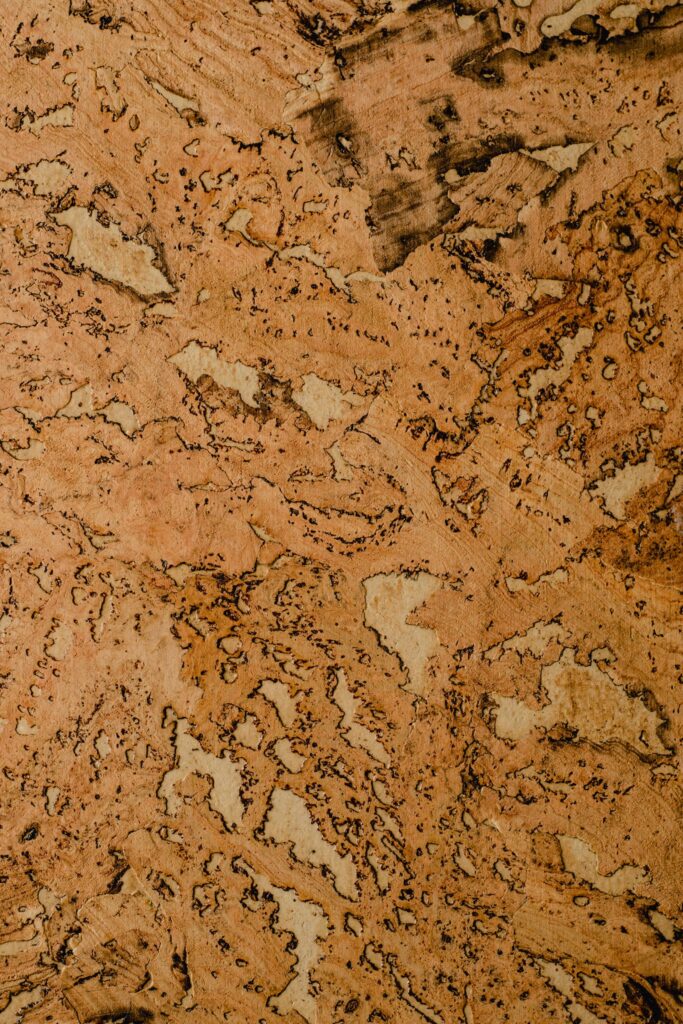
Cork flooring is made from the bark of the cork oak tree. Its soft cells give it a warm and quiet feel underfoot. Workers strip the bark every nine years without harming the tree. The same soft cells that make cork comfortable also make it absorbent. A cork floor can handle a damp cloth with ease. A puddle can soak in and cause swelling.
The finish on top of the cork keeps daily dirt and light moisture out. Harsh cleaners, rough scrub pads, and too much water wear it down fast. Once it is gone, the cork below stains and swells with ease. Gentle cleaning keeps the finish intact. An intact finish lets a cork floor last up to 40 years.
What You Need to Clean Cork Flooring
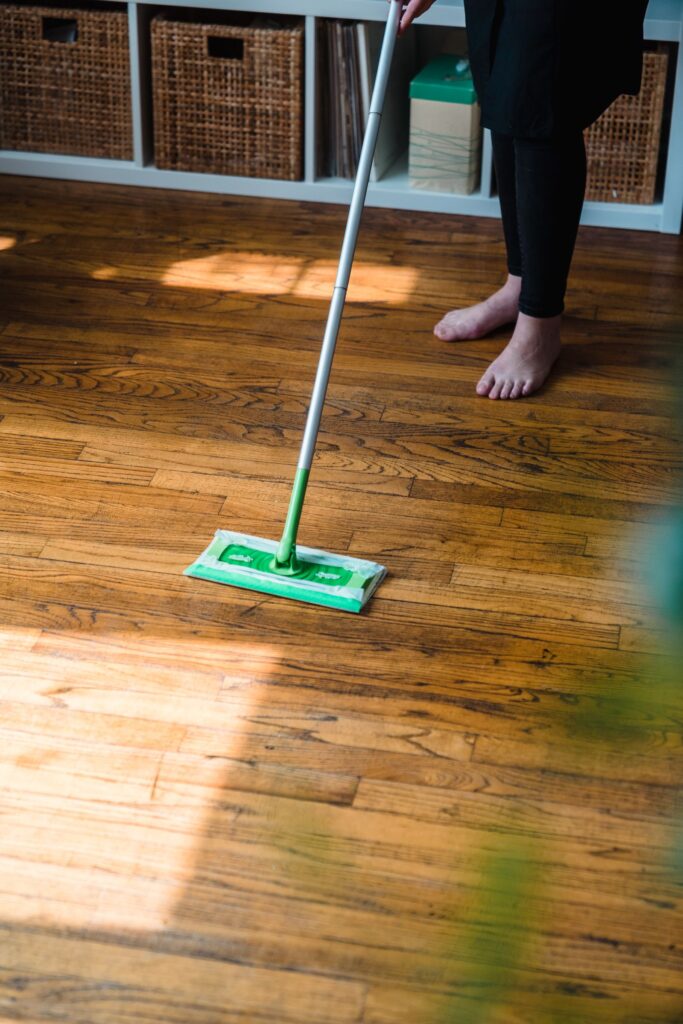
You need only a few basic tools to clean cork flooring well. Most of them are already in your home. A soft-bristle broom picks up dust and grit without scratching the surface. A vacuum with a hard floor setting works too. A flat mop with a washable microfiber pad works best. It holds little water and spreads it in a thin layer.
Choose your cleaner with care, because the wrong product can do more harm than the dirt it removes. A pH-neutral floor cleaner made for wood or cork is the safest pick. Plain warm water works fine for a light weekly mop. Skip vinegar, bleach, ammonia, and oil soaps. Never use a steam mop, a scrub brush, or a scouring pad on cork.
How to Clean Cork Flooring: 8 Smart Tips
These 8 smart tips cover the full routine, from daily sweeping to deep stain care. They work for glue-down tiles and floating cork planks alike. Follow them in order the first few times, and they will soon feel like a simple habit.
- Sweep or vacuum first, every time. Loose grit acts like sandpaper under shoes, so remove it before any wet cleaning. Use a soft broom or a vacuum on its hard floor setting.
- Damp-mop with a wrung-out flat mop. Dip the mop, wring it until almost no water drips, and mop in small sections. The floor should look barely wet and dry in a few minutes.
- Use a pH-neutral cleaner, not a strong one. Add a small amount to warm water, and mop as usual. Rinse the mop often.
- Wipe spills the moment you see them. Grab a soft cloth and blot the spill, then wipe the spot with a damp cloth. Never let water, juice, or pet messes sit on cork.
- Clean in small sections and dry as you go. Mop one small area, then dry it with a clean towel before you move on. This keeps water off the floor and stops streaks.
- Spot clean sticky spots with a damp cloth. Spray a little pH-neutral cleaner on the cloth, not on the floor, and rub the spot gently. Repeat until the sticky feel is gone.
- Vacuum edges and corners weekly with a soft brush. Dust gathers along baseboards, and a soft brush reaches it without scratching.
- Reseal worn areas before they turn into damage. If a high traffic spot looks dull or feels rough, it may need a fresh coat of polyurethane seal. Recoat it early.
How Often Should You Clean Cork Flooring?
A cork floor needs a little care every day and a deeper clean once a week. Sweep or vacuum daily in busy rooms like the kitchen and hallway. Grit builds up fast where shoes travel. Damp-mop once a week in most rooms. Mop twice a week in the kitchen if you cook often. Dust settles on every surface, so dust weekly too. Our guide on how to clean a fan shows a simple way to keep ceiling fans dust free.
Deep cleaning is a monthly job, not a weekly one. Once a month, look closely at high traffic paths, doorways, and spots near the sink. Wipe dull patches with a damp cloth and a little pH-neutral cleaner. Note any area that needs a fresh seal.
The Damp-Mop Test: How to Tell If Your Mop Is Too Wet
Most cork floor damage starts with a mop that holds too much water. This simple test stops that problem before it starts. Wring your mop out, then press it hard against a dry white towel for five seconds. If the towel shows a large wet patch, wring the mop again. The towel should show only a faint damp mark.
Watch the floor itself as you mop, because it tells you the truth in seconds. A correctly damp-mopped floor looks slightly darker for a moment, then dries in two to three minutes. If the floor stays damp after five minutes, your mop is too wet. Dry the floor at once.
How to Remove Stains From Cork Flooring
Stains on cork need a gentle touch. Scrubbing hard can break the finish and push the stain deeper. Start with the mildest method first, and move to a stronger one only if the stain stays put. For most fresh stains, a damp cloth with a little pH-neutral cleaner and light rubbing is enough. For dried stains, lay a damp cloth over the spot for five minutes to soften it.
Match the fix to the stain, and never reach for bleach or a scouring pad. Food and drink stains usually lift with a damp cloth and pH-neutral cleaner. Grease spots need a drop of mild dish soap on a damp cloth. For blood stains, work fast with cold water on a cloth. Our guide on how to remove blood stains gives the full method.
Cork Flooring vs Hardwood Flooring Cleaning
Cork and hardwood look similar underfoot, but they need different care. Cork is softer and more absorbent than hardwood, so it needs less water and more care with spills. Hardwood can handle a slightly wetter mop and a wider range of cleaners. Both floors last for decades with the right routine.
| Cleaning task | Cork flooring | Hardwood flooring |
|---|---|---|
| Daily care | Sweep or vacuum with a soft broom | Sweep or vacuum with a soft broom |
| Weekly mop | Damp-mop, wrung out until barely damp | Damp-mop, wrung out well |
| Steam mop | Never use it, heat and water swell cork | Avoid it, heat can harm the finish |
| Spills | Wipe at once, cork absorbs fast | Wipe soon, wood resists water longer |
| Cleaner | pH-neutral only, no vinegar or bleach | pH-neutral best, some wood cleaners fine |
| Resealing | Every two to three years | Every three to five years |
| Lifespan with care | Up to 40 years | 30 to 100 years by wood type |
7 Mistakes That Damage Cork Flooring
These seven mistakes cause most cork floor damage. Each one is easy to avoid once you know it. Read the list before your next cleaning day, and check yourself against it every time you mop.
- Soaking the floor with a wet mop. A dripping mop leaves water in the seams, and the cork swells and warps. Always wring the mop until it is barely damp.
- Using a steam mop. Steam forces hot water deep into the cork, and it can lift tiles and ruin the adhesive.
- Cleaning with vinegar or bleach. Both strip the finish and dull the surface. Use a pH-neutral cleaner made for wood or cork instead.
- Scrubbing with a rough pad or brush. Scouring pads scratch the finish and open the cork below to stains. Use a soft cloth or a microfiber pad.
- Letting spills sit for hours. Water, juice, and pet messes soak into cork fast, and a stain that sets is hard to lift.
- Skipping the reseal for years. The finish wears thin in busy paths, and bare cork absorbs dirt and water with ease. Recoat every two to three years.
- Dragging heavy furniture across the floor. Sharp legs and heavy pieces scratch and dent soft cork in one move. Lift furniture to move it. For more easy home fixes, see our guide on how to fix loose glasses.
How to Protect Cork Flooring After Cleaning
Cleaning is only half the job, and protection keeps the clean look from fading in a few weeks. Put felt pads under every chair and table leg, and check them twice a year. Place doormats at every entrance, inside and out, so shoes leave dirt at the door. Small upgrades help too, and our guide on how to install a curtain rod shows another simple project.
Sunlight and humidity also shape how long a cork floor stays beautiful. Use curtains or blinds in rooms with strong direct sun, because cork can fade over time. Keep indoor humidity between 40 and 60 percent. Very dry air can shrink cork, and very damp air can swell it.
How to Clean Cork Flooring FAQ
Can you wet mop cork flooring?
Yes, you can damp-mop cork flooring, but never wet mop it with a soaking mop. Wring the mop until it is barely damp, use a pH-neutral cleaner, and dry the floor fast.
Can you use a steam mop on cork flooring?
No, never use a steam mop on cork flooring. Steam forces hot water deep into the cork and the seams. It can cause swelling, warping, and lifted tiles.
What is the best cleaner for cork flooring?
The best cleaner is a pH-neutral floor cleaner made for wood or cork. Plain warm water also works for a light weekly mop. Avoid vinegar, bleach, and ammonia.
Can you use vinegar to clean cork floors?
No, do not use vinegar on cork floors. Vinegar is acidic, and it can wear down the finish and dull the surface with repeated use. A pH-neutral cleaner is safer.
How often should you mop cork flooring?
Damp-mop cork flooring once a week in most rooms. Mop twice a week in the kitchen if you cook often. Sweep or vacuum daily in busy areas.
How do you remove stains from cork flooring?
Remove stains with a damp cloth and a pH-neutral cleaner, rubbing gently. For dried stains, lay a damp cloth over the spot for five minutes to soften it first.
Is cork flooring waterproof?
No, cork flooring is water resistant, not waterproof. The surface can handle a damp cloth and a quick spill, but standing water soaks into the seams.
How do you clean cork flooring without damaging the finish?
Use a soft broom, a wrung-out mop, and a pH-neutral cleaner. Skip steam mops and harsh chemicals. Use felt pads under furniture, and reseal on schedule.
Why is my cork floor dull after cleaning?
A cork floor looks dull when the finish is worn, or when cleaner residue has built up. Mop with plain warm water to remove residue, and check if busy spots need a fresh seal.
Can you refinish cork flooring?
Yes, you can refinish solid cork flooring. Lightly sand it and add a fresh coat of polyurethane seal. Engineered cork often cannot be sanded, so check first.
Does cork flooring need to be sealed?
Yes, cork flooring needs a seal to protect it from water, stains, and wear. Most cork floors come sealed from the factory, but the seal wears down over time.
How long does cork flooring last?
With proper care, cork flooring can last up to 40 years. Regular sweeping, weekly damp-mopping, and resealing every two to three years make that long life possible.
Final Word
Learning how to clean cork flooring safely is simple. Just know the one golden rule: keep it damp, never wet. Sweep daily and damp-mop weekly with a pH-neutral cleaner. Wipe spills at once, and reseal every two to three years. The 8 smart tips protect the finish, and the damp-mop test keeps you honest. A cork floor that gets this care can stay warm, quiet, and beautiful for up to 40 years. For more simple home fixes, see our guide on how to fix loose glasses.
Read more about cork on Wikipedia: https://en.wikipedia.org/wiki/Cork_(material)