
Introduction
“Add a gallon of water.” “Brine the turkey in 2 gallons.” “Mix one gallon of punch.” If sentences like these send you straight to a calculator, you are in good company. The gallon is the biggest unit in the American kitchen, and it is the one most cooks use the least, which is exactly why it causes the most confusion when it shows up.
Most of the gallon questions arrive at the worst possible moment. You are standing in the store, staring at milk jugs, trying to figure out how many quarts to buy for a recipe that calls for a gallon. Or you are mid-party-prep, wondering how many pitchers of lemonade a single gallon jug actually fills. Or you are filling water bottles for the gym and asking whether the gallon jug you just drank really equals the 7 or 8 bottles your fitness app demands.
Here is the reassuring part: the answer is a clean number, and the whole gallon family runs on simple doubling. One US liquid gallon holds exactly 16 US cups. No decimals, no fractions, no ingredient exceptions. In this complete guide, you get the direct answer first, seven easy conversion charts (including the fractional and multi-gallon rows other sites skip), a cups-to-gallons reverse chart, the full cup-to-gallon family ladder, the liquid vs dry vs Imperial gallon breakdown, metric equivalents, a water-bottle hydration chart, a party-planning calculator, the famous gallon-of-water weight, three costly measuring mistakes to steer clear of, five simple tips, and answers to the seven questions people actually ask about gallons.
Table of Contents
- How Many Cups in a Gallon? The Direct Answer
- Chart 1: Gallons to Cups Conversion Table
- Chart 2: Cups to Gallons Reverse Table
- Chart 3: The Cup–Pint–Quart–Gallon Family Ladder
- Chart 4: Liquid vs Dry vs Imperial Gallon
- Chart 5: Metric Equivalents — Gallons in Liters and Milliliters
- Chart 6: Water Bottles per Gallon — Hydration Math
- Chart 7: Party Planner — How Much Punch, Tea, or Lemonade for a Crowd
- How Much Does a Gallon of Water Weigh?
- 3 Costly Mistakes Cooks Make With Gallons
- 5 Simple Tips for Measuring Gallons Right
- Q&A: Where Did the Gallon Come From?
- Frequently Asked Questions
- Conclusion
How Many Cups in a Gallon? The Direct Answer
One US liquid gallon equals exactly 16 US cups. That is the answer for every standard American recipe, every grocery-store milk jug, and every kitchen conversion in US customary units. Half a gallon is 8 cups. Two gallons are 32 cups. Five gallons are 80 cups.
Quick Answer: There are 16 US cups in 1 US liquid gallon. The formula is: cups = gallons × 16. A gallon is 128 fluid ounces, 4 quarts, 8 pints, or 3.785 liters.
Gallons to Cups Converter
Enter gallons. Defaults match this article’s direct answer: 1 gallon.
1 gallon = 16 cups
Reverse: cups / 16 = gallons. Example: 32 cups = 2 gallons.
[SNIPPET TARGET] One US liquid gallon contains exactly 16 US cups. To convert gallons to cups, multiply the number of gallons by 16. A gallon equals 128 fluid ounces, 4 quarts, or 8 pints.
The US liquid gallon is defined as 231 cubic inches — the old English wine gallon that colonial America adopted — and since a US cup is 8 fluid ounces (14.4375 cubic inches), the division resolves cleanly: 231 ÷ 14.4375 = 16. The National Institute of Standards and Technology fixes the US liquid gallon at exactly 3.785411784 liters, and the US cup at 236.5882365 milliliters — divide the two and you land on precisely 16 (NIST, SP 811).
Why the Gallon Answer Rarely Changes
Unlike weight-to-volume conversions, where flour and sugar answer differently, the gallon-to-cup conversion is pure volume. A gallon of water and a gallon of lemonade both occupy the same space: 16 cups. So the number never shifts with the ingredient, only with the kind of gallon (US liquid, dry, or Imperial), which Chart 4 breaks down below. For everyday American cooking and grocery shopping, the US liquid gallon is always the right one.
Chart 1: Gallons to Cups Conversion Table
This is the chart cooks reach for when they scale up: standard gallons, common fractions, and the multi-gallon amounts that show up in party prep, brining, brewing, and canning. Bookmark it.
| Gallons | US Cups | Pints | Quarts | Fluid Ounces | Milliliters | Everyday Example |
|---|---|---|---|---|---|---|
| 1/8 gallon | 2 cups | 1 | 1/2 | 16 fl oz | 473 ml | A large soup pot starter |
| 1/4 gallon | 4 cups | 2 | 1 | 32 fl oz | 946 ml | A quart carton × 4 |
| 1/2 gallon | 8 cups | 4 | 2 | 64 fl oz | 1,893 ml | Standard half-gallon milk jug |
| 3/4 gallon | 12 cups | 6 | 3 | 96 fl oz | 2,839 ml | A big batch of iced tea |
| 1 gallon | 16 cups | 8 | 4 | 128 fl oz | 3,785 ml | Standard gallon milk jug |
| 1.5 gallons | 24 cups | 12 | 6 | 192 fl oz | 5,678 ml | Two large punch bowls |
| 2 gallons | 32 cups | 16 | 8 | 256 fl oz | 7,571 ml | Turkey brine for a big bird |
| 2.5 gallons | 40 cups | 20 | 10 | 320 fl oz | 9,464 ml | Party punch for 40 guests |
| 3 gallons | 48 cups | 24 | 12 | 384 fl oz | 11,356 ml | Large drink dispenser |
| 5 gallons | 80 cups | 40 | 20 | 640 fl oz | 18,927 ml | Homebrew or big canning day |
| 10 gallons | 160 cups | 80 | 40 | 1,280 fl oz | 37,854 ml | Commercial stockpot batch |
[SNIPPET TARGET] Two gallons equal 32 cups, three gallons equal 48 cups, and five gallons equal 80 cups. Multiply gallons by 16 to get cups.
How Many Cups in a Half Gallon?
Eight cups. The half gallon is the most useful gallon fraction in real life: it is the standard half-gallon milk jug, and it breaks down to 4 pints, 2 quarts, or 64 fluid ounces. If a recipe calls for a half gallon of milk and your measuring tools top out at cups, count out 8 scoops.
How Many Cups in 2 Gallons?
Thirty-two cups. Two gallons is the classic turkey-brine quantity and a common party-punch amount. It equals 8 quarts or 256 fluid ounces, about what two gallon milk jugs hold side by side.
How Many Cups in 5 Gallons?
Eighty cups. Five gallons shows up in homebrewing, large-batch canning, and event catering. It is 20 quarts, 40 pints, or 640 fluid ounces. At this scale, stop measuring in cups and work in quarts or gallons: 80 cup-scoops is an invitation to lose count.
Q&A: What about 2.5 gallons to cups?
Multiply 2.5 by 16 to get 40 cups. Fractional gallons tempt people to convert through ounces first (2.5 × 128 = 320 fl oz, then ÷ 8). Skip the detour: gallons × 16 always works, decimals included.
Chart 2: Cups to Gallons Reverse Table
Sometimes the conversion runs the other way: your recipe totals in cups, but you need to buy milk jugs or plan punch bowls. Divide cups by 16.
| US Cups | Gallons | Quarts | Fluid Ounces | Milliliters |
|---|---|---|---|---|
| 2 cups | 1/8 gallon | 1/2 quart | 16 fl oz | 473 ml |
| 4 cups | 1/4 gallon | 1 quart | 32 fl oz | 946 ml |
| 8 cups | 1/2 gallon | 2 quarts | 64 fl oz | 1,893 ml |
| 12 cups | 3/4 gallon | 3 quarts | 96 fl oz | 2,839 ml |
| 16 cups | 1 gallon | 4 quarts | 128 fl oz | 3,785 ml |
| 20 cups | 1 1/4 gallons | 5 quarts | 160 fl oz | 4,732 ml |
| 24 cups | 1 1/2 gallons | 6 quarts | 192 fl oz | 5,678 ml |
| 32 cups | 2 gallons | 8 quarts | 256 fl oz | 7,571 ml |
| 48 cups | 3 gallons | 12 quarts | 384 fl oz | 11,356 ml |
| 64 cups | 4 gallons | 16 quarts | 512 fl oz | 15,142 ml |
| 80 cups | 5 gallons | 20 quarts | 640 fl oz | 18,927 ml |
[SNIPPET TARGET] To convert cups to gallons, divide the number of cups by 16. Thirty-two cups equal 2 gallons; forty-eight cups equal 3 gallons.
If you run this reverse conversion often — scaling catering recipes, for instance — our ounces to cups converter covers the smaller units of the same kitchen math.
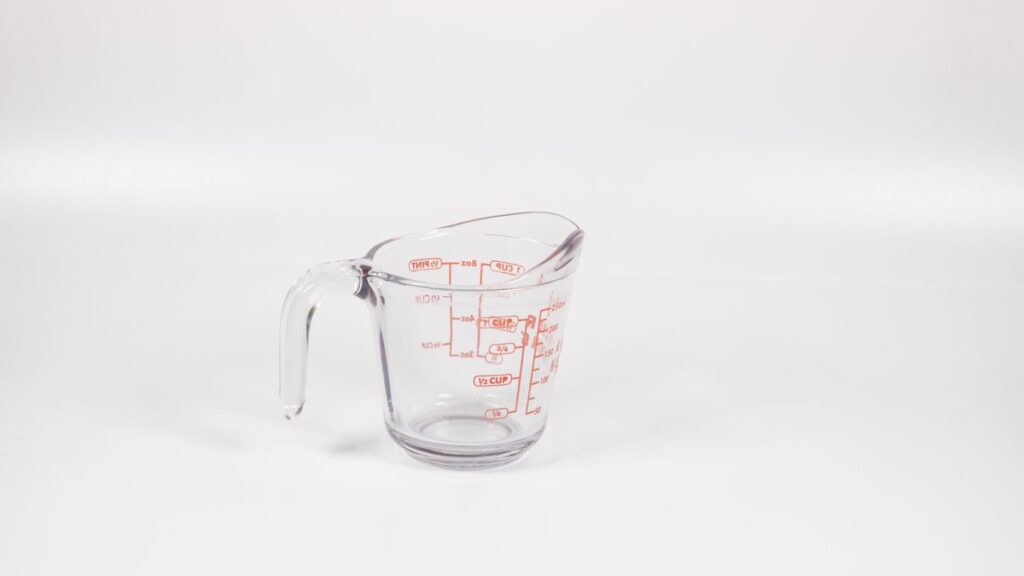
Chart 3: The Cup–Pint–Quart–Gallon Family Ladder
The gallon does not live alone. It sits at the top of the US customary volume family, and seeing the whole ladder at once is the fastest way to stop second-guessing any conversion:
| Unit | Cups | Pints | Quarts | Fluid Ounces | Milliliters |
|---|---|---|---|---|---|
| 1 cup | 1 | 1/2 | 1/4 | 8 | 237 |
| 1 pint | 2 | 1 | 1/2 | 16 | 473 |
| 1 quart | 4 | 2 | 1 | 32 | 946 |
| 1/2 gallon | 8 | 4 | 2 | 64 | 1,893 |
| 1 gallon | 16 | 8 | 4 | 128 | 3,785 |
The classic doubling chain still works: 2 cups in a pint, 2 pints in a quart, 4 quarts in a gallon. Memorize that chain and you can rebuild any conversion in the family from scratch in seconds. No chart required.
Q&A: How many quarts are in a gallon?
Four. A gallon is defined as 4 quarts, which is 16 cups, 8 pints, or 128 fluid ounces. Half a gallon is 2 quarts (8 cups).
Q&A: How many pints are in a gallon?
Eight. A gallon breaks down into 4 quarts, and each quart holds 2 pints, so 4 × 2 = 8 pints, which is 16 cups or 128 fluid ounces.
Q&A: How many cups are in 3 gallons?
Forty-eight cups. Three gallons equals 12 quarts or 24 pints — the size of a standard large beverage dispenser, which is exactly why party hosts ask this one.
For the full story on the rungs below, see our guides on how many cups are in a quart and how many cups are in a pint, and together with this page they complete the whole family.
Chart 4: Liquid vs Dry vs Imperial Gallon
Here is where the “simple” answer gets its asterisks. The gallon you mean depends on where your recipe comes from:
| Gallon Type | Definition | US Cups | Liters | Where You’ll Meet It |
|---|---|---|---|---|
| US liquid gallon | 231 cubic inches | 16 cups | 3.785 L | Everyday US recipes, milk jugs, gas pumps |
| US dry gallon | 1/8 US bushel | ≈ 18.6 cups | 4.405 L | Almost never — obsolete in practice |
| Imperial gallon | Volume of 10 lb of water | ≈ 19.2 US cups | 4.546 L | UK/Canadian recipes, British fuel economy |
| Metric “gallon” | Not an official unit | 16 metric cups (250 ml) = 4,000 ml | 4.000 L | Rough metric approximation |
The US liquid gallon is what your recipe means 99% of the time. The dry gallon is a historical curiosity — you will essentially never meet it in a kitchen. The Imperial gallon matters only when you cook from a British or older Canadian recipe: at 4.546 liters it is about 20% larger than the US gallon, which is the difference between a properly brined turkey and a salt bomb. The FDA’s Food Labeling Guide standardizes the US cup for nutrition serving sizes, which is one more reason to default to the US liquid gallon in American kitchens.
Q&A: Is a UK gallon the same as a US gallon?
No. A UK (Imperial) gallon is 4.546 liters — about 19.2 US cups — while a US liquid gallon is 3.785 liters (16 US cups). That is a 20% gap, and the biggest in the whole volume family. If a British recipe says “1 gallon of stock,” measure 4.55 liters, not one American milk jug.
Chart 5: Metric Equivalents — Gallons in Liters and Milliliters
For cooks working between US recipes and metric tools:
- 1 US liquid gallon = 3,785.41 ml = 3.785 liters (a handy shortcut: “a gallon is just under 4 liters”)
- 1 liter = 0.264 US gallons = 4.227 US cups
- 1 US cup = 236.59 ml, so 16 cups = 3,785.41 ml — the math checks out
- 1 Imperial gallon = 4.546 liters = 4,546 ml
- 1 US dry gallon = 4.405 liters = 4,405 ml
If your recipe is fully metric and your tools are in cups, use our liters to cups converter to translate precisely, then use the gallon tables above for the big-picture scaling.
Q&A: How many liters are in a gallon?
3.785 liters in a US liquid gallon. A liter is about 26% of a gallon — so a 2-liter soda bottle is just over half a gallon, a shortcut that comes in handy at the store.
Chart 6: Water Bottles per Gallon — Hydration Math
The “gallon of water a day” goal sends thousands of people to this exact math every morning. A gallon is 128 fluid ounces, so simply divide 128 by your bottle’s size:
| Bottle Size | Bottles per Gallon | Milliliters per Bottle |
|---|---|---|
| 12 fl oz (small) | ≈ 10.7 bottles | 355 ml |
| 16 fl oz (standard reusable) | 8 bottles | 473 ml |
| 16.9 fl oz (disposable, 500 ml) | ≈ 7.6 bottles | 500 ml |
| 20 fl oz (sports bottle) | 6.4 bottles | 591 ml |
| 24 fl oz (large sports bottle) | ≈ 5.3 bottles | 710 ml |
| 32 fl oz (Nalgene-style) | 4 bottles | 946 ml |
[SNIPPET TARGET] A gallon of water equals about 7.6 standard 16.9-ounce (500 ml) water bottles, exactly 8 sixteen-ounce bottles, or 4 thirty-two-ounce bottles.
So if your goal is a gallon a day and you drink the standard 16.9-ounce disposable bottles, plan on roughly seven and a half, or eight to be safe. And if you refill a 32-ounce bottle, the math is beautifully simple: four fills and you are done. For the smaller units in your hydration math, our how many ounces are in a cup guide explains the fluid-ounce side of the same equation.
Q&A: How many 16.9 oz water bottles are in a gallon?
About 7.6. A gallon holds 128 fluid ounces; 128 ÷ 16.9 = 7.57. Round up to 8 bottles to be sure you hit the full gallon — or switch to a 32-ounce bottle and drink exactly 4.
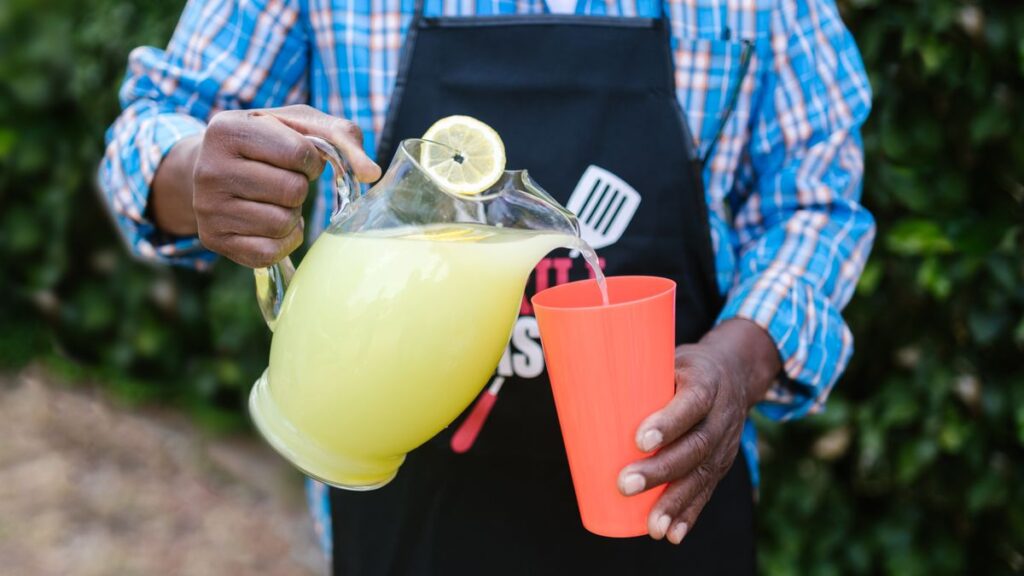
Chart 7: Party Planner — How Much Punch, Tea, or Lemonade for a Crowd
This is the table party hosts actually need for the big day. Serving sizes are realistic per-guest estimates, so plan a little extra if the weather is hot or the party runs long:
| Guests | Punch (1 cup each) | Iced Tea (2 cups each) | Lemonade (1.5 cups each) |
|---|---|---|---|
| 10 guests | 10 cups (⅝ gallon) | 20 cups (1¼ gallons) | 15 cups (~1 gallon) |
| 15 guests | 15 cups (~1 gallon) | 30 cups (~2 gallons) | 22.5 cups (~1.5 gallons) |
| 20 guests | 20 cups (1¼ gallons) | 40 cups (2½ gallons) | 30 cups (~2 gallons) |
| 30 guests | 30 cups (~2 gallons) | 60 cups (~4 gallons) | 45 cups (~3 gallons) |
| 40 guests | 40 cups (2½ gallons) | 80 cups (5 gallons) | 60 cups (~4 gallons) |
| 50 guests | 50 cups (~3 gallons) | 100 cups (~6 gallons) | 75 cups (~5 gallons) |
A few rules of thumb behind the numbers: guests drink about 1 cup of punch per hour (punch is sweet, so servings stay small), 2 cups of iced tea per hour at an outdoor summer party, and roughly 1.5 cups of lemonade per hour. For a two-hour party of 20, one gallon of punch plus two gallons of tea covers everyone comfortably, with a little left over for refills.
When your drink recipe mixes volume and weight (sugar by the pound, fruit by the piece), our cups to ml converter handles the ingredient-level conversions behind the big batch.
Q&A: How many gallons of punch do I need for 30 guests?
About 2 gallons for a two-hour party (1 cup per guest). If punch is the only drink and the party runs three hours, make 2.5 gallons. It is always cheaper to over-make punch than to run out mid-party.
How Much Does a Gallon of Water Weigh?
A US gallon of water weighs about 8.34 pounds (3.785 kilograms). This is one of the most quoted numbers in measurement, and fitness trackers, aquarium keepers, and emergency preppers all use it.
Why 8.34? Because a gallon is 3,785.41 milliliters, and water weighs 1 gram per milliliter at standard conditions — so the gallon weighs 3,785.41 grams, which converts to 8.345 pounds. Milk is a touch heavier (about 8.6 pounds per gallon, thanks to its dissolved solids), and a gallon of honey weighs roughly 12 pounds. So when a recipe or a moving-day estimate says “a gallon of liquid,” 8.34 pounds is the safe planning number for anything water-like.
The practical uses are everywhere: a full 5-gallon water cooler jug weighs about 42 pounds (the classic “why is this so heavy” moment at the office), and 8 gallons of water weigh roughly 67 pounds, the weight your car’s suspension feels when you fill a big cooler for a camping trip.
3 Costly Mistakes Cooks Make With Gallons
The conversion itself is easy; the mistakes come from everything around it. These are the three that actually cause trouble:
Mistake 1: Using the Imperial Gallon in a US Recipe
An Imperial gallon is 4.546 liters versus the US gallon’s 3.785 liters, more than three extra US cups per gallon. Follow a British recipe’s “1 gallon of stock” with an American milk jug (or vice versa) and your seasoning, salt concentration, and cooking time all drift badly. A brine mixed 20% weak leaves a turkey under-seasoned; a stock 20% strong over-salts every reduction. The fix: check the recipe’s origin. UK, Australia, or older Canadian source? Assume the Imperial gallon and measure 4.55 liters, or convert everything to milliliters and work metric.
Mistake 2: Scaling Drinks by “Jugs” Instead of Doing the Math
“One jug per 10 guests” sounds reasonable until you realize jugs come in half-gallon, three-quarter-gallon, and full-gallon sizes — and punch, tea, and lemonade have different per-guest serving sizes. Hosts who eyeball it either run dry an hour early or pour two gallons of leftover punch down the drain. The fix: use the party planner in Chart 7. Pick your drink, count your guests, and buy gallons to the plan. One extra gallon of iced tea costs almost nothing; running out costs the party.
Mistake 3: Treating “A Gallon of Produce” Like 16 Level Cups
A gallon jug of whole strawberries is not 16 level cups of sliced berries — whole fruit packs with air gaps, and a gallon-sized container of produce is measured loosely, not leveled. A gallon of whole strawberries yields roughly 12–13 cups once hulled and sliced. The fix: for jam, canning, and pie filling, weigh the fruit instead of trusting the container. Strawberries run about 5 pounds per gallon of whole berries. For tested canning ratios and safe processing times, follow the National Center for Home Food Preservation guidelines.
5 Simple Tips for Measuring Gallons Right
- Memorize the chain, not just the answer. “2 cups in a pint, 2 pints in a quart, 4 quarts in a gallon” lets you rebuild any conversion from scratch — far more reliable than memorizing a dozen separate facts.
- At gallon scale, measure in quarts, not cups. Sixteen cup-scoops is an invitation to lose count. A quart-size liquid measure needs only 4 fills per gallon, and most large pitchers are already marked in quarts.
- Mark your own gallon line. Pour 16 cups of water into your biggest pitcher or drink dispenser and mark the gallon line with a permanent marker. You will never look it up again — and your party prep gets dramatically faster.
- When scaling, convert everything to cups first, then back up. Cups are the common denominator of US recipes. Convert quarts and pints to cups, do your doubling or halving, then convert back to gallons for the shopping list.
- For canning and precise work, go metric. Gallons and cups are perfect for everyday cooking, but when precision decides the outcome, 3,785 ml on a kitchen scale (1 ml of water = 1 gram) removes all doubt. For tested canning ratios, follow the National Center for Home Food Preservation guidelines. And when a recipe crosses between weight and volume, our ounces to cups converter explains the fluid-vs-dry ounce trap that metric sidesteps entirely.
Q&A: Where Did the Gallon Come From?
The word “gallon” wandered into English from medieval French galon, a measure for wine and ale, and the unit spent centuries as a glorious mess: different gallons for wine, ale, and grain. Colonial America inherited the English wine gallon of 231 cubic inches and froze it in place as the US liquid gallon. Britain, meanwhile, swept all of that away in 1824 and redefined the gallon as the volume of 10 pounds of distilled water at 62°F — the Imperial gallon of 277.42 cubic inches. That 1824 split is the entire reason the US and Imperial gallons differ today, and why “gallon” means two different things on the two sides of the Atlantic. The National Institute of Standards and Technology still maintains the exact metric definitions of these customary units in Special Publication 811.
Frequently Asked Questions
How many cups in a gallon?
Exactly 16 US cups in 1 US liquid gallon. Multiply gallons by 16 to convert.
How many cups in a half gallon?
8 cups. A half gallon is 2 quarts, 4 pints, or 64 fluid ounces — the standard half-gallon milk jug.
How many cups in 2 gallons?
32 cups. Two gallons equal 8 quarts or 256 fluid ounces.
How many ounces in a gallon?
128 fluid ounces in a US liquid gallon; 160 Imperial fluid ounces in a UK gallon.
How many quarts in a gallon?
4 quarts. A gallon also holds 8 pints or 16 cups.
How many liters in a gallon?
3.785 liters in a US liquid gallon; 4.546 liters in an Imperial (UK) gallon.
How much does a gallon of water weigh?
About 8.34 pounds (3.785 kilograms) at standard conditions.
Conclusion
One US liquid gallon = 16 US cups. That single fact, plus the chain “2 cups in a pint, 2 pints in a quart, 4 quarts in a gallon,” covers nearly every gallon conversion a cook will ever face. Keep the seven charts above bookmarked for the fractional, reverse, metric, hydration, and party-planning cases, watch out for the Imperial-gallon and loose-produce traps, and do the party math in Chart 7 before you shop — not after you run out.
If this guide saved you a ruined batch or an empty punch bowl, the rest of the kitchen-conversion library is one click away: continue down the ladder with how many cups are in a quart, or master the smallest everyday units with how many ounces are in a cup.