
Pakistan, a land of vibrant culture and rich heritage, has always been known for its exquisite traditional clothing. Among the many beautiful garments that Pakistani culture offers, hand embellished shirts stand out as timeless pieces of art. These shirts, meticulously crafted by skilled artisans, are more than just clothing; they are a reflection of the country’s deep-rooted traditions and artistic legacy. In this article, we will explore the traditional beauty of hand embellished Pakistani shirts, focusing on their history, craftsmanship, and contemporary appeal.
The Rich History of Hand Embellished Pakistani Shirts
The tradition of embellishing clothing in Pakistan dates back centuries. The art of hand embroidery and embellishment has been passed down through generations, with each region of the country developing its own unique styles and techniques. From the intricate mirror work of Sindh to the delicate thread work of Punjab, hand embellished Pakistani shirts for women have always been a significant part of the country’s cultural identity.
Historically, these shirts were worn by women on special occasions such as weddings, festivals, and other celebrations. The elaborate designs and rich fabrics symbolized not only beauty but also status and wealth. The use of gold and silver threads, precious stones, and fine materials like silk and chiffon made these garments highly coveted and treasured.
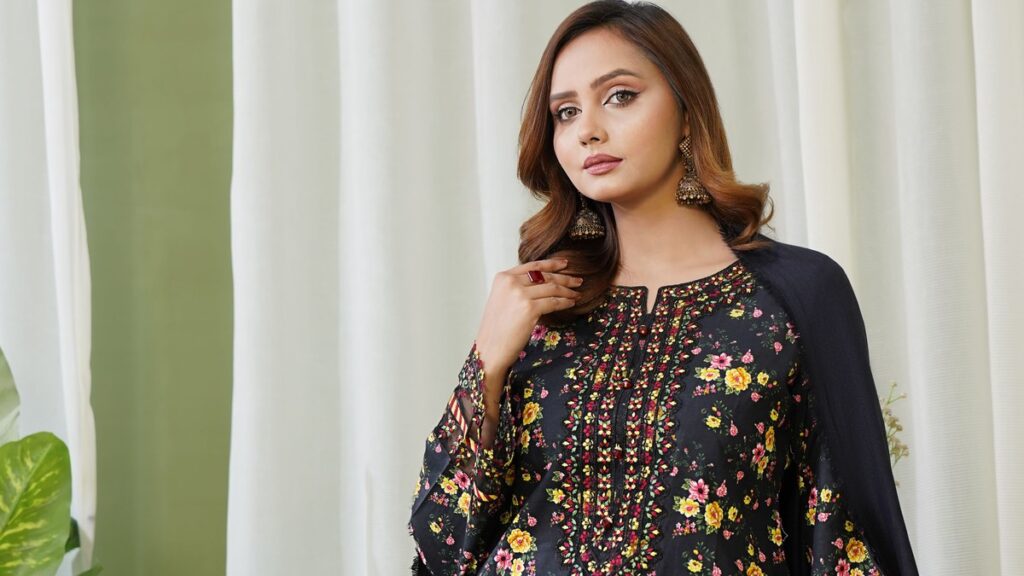
The Craftsmanship Behind Hand Embellished Pakistani Shirts
Creating hand embellished Pakistani shirts is a labor-intensive process that requires exceptional skill and patience. Artisans spend countless hours meticulously sewing each detail by hand, ensuring that every piece is unique and of the highest quality. The process begins with selecting the fabric, which is usually a luxurious material that can withstand the weight of the embellishments.
Once the fabric is chosen, the design is carefully sketched onto the material. This is where the creativity and expertise of the artisan come into play. The design can range from simple and elegant to highly intricate patterns, depending on the desired outcome. Common motifs include floral patterns, paisleys, geometric shapes, and traditional symbols.
The next step involves the actual embellishment. This can include a variety of techniques such as embroidery, beadwork, mirror work, and appliqué. One of the most popular forms of embellishment in Pakistani shirts is zari work. Zari, which involves weaving threads of gold or silver into the fabric, adds a touch of opulence and grandeur to the garment. Many wholesale zari clothing brands specialize in this type of embellishment, offering a wide range of designs and styles to choose from.
The Contemporary Appeal of Hand Embellished Pakistani Shirts
While hand embellished Pakistani shirts have deep roots in tradition, they have also evolved to meet contemporary fashion trends. Today, these shirts are not only worn on special occasions but also as everyday wear, thanks to their versatile designs and comfortable fabrics. Modern designers are blending traditional techniques with contemporary styles to create pieces that appeal to a broader audience.
One of the reasons for the growing popularity of hand embellished Pakistani shirts is their versatility. They can be paired with a variety of bottoms, from traditional shalwars and churidars to modern jeans and skirts. This adaptability makes them a favorite among women of all ages, both in Pakistan and around the world.
Moreover, the rise of e-commerce and social media has made it easier for people to access these beautiful garments. Many brands now offer hand embellished Pakistani shirts for women online, allowing customers to browse and purchase from the comfort of their homes. This has opened up new markets and increased the global visibility of Pakistani fashion.
The Importance of Preserving Traditional Craftsmanship
Despite their popularity, hand embellished Pakistani shirts face challenges in today’s fast-paced fashion industry. The time and effort required to create these garments make them more expensive than mass-produced clothing. Additionally, the younger generation of artisans is often reluctant to take up the craft, preferring more lucrative and less labor-intensive professions.
However, preserving this traditional craftsmanship is crucial for maintaining Pakistan’s cultural heritage. Supporting local artisans and encouraging the younger generation to learn and practice these skills can help ensure that the art of hand embellishment continues to thrive. Many organizations and fashion houses are working towards this goal by providing training programs and fair wages to artisans, promoting sustainable and ethical fashion practices.
Conclusion
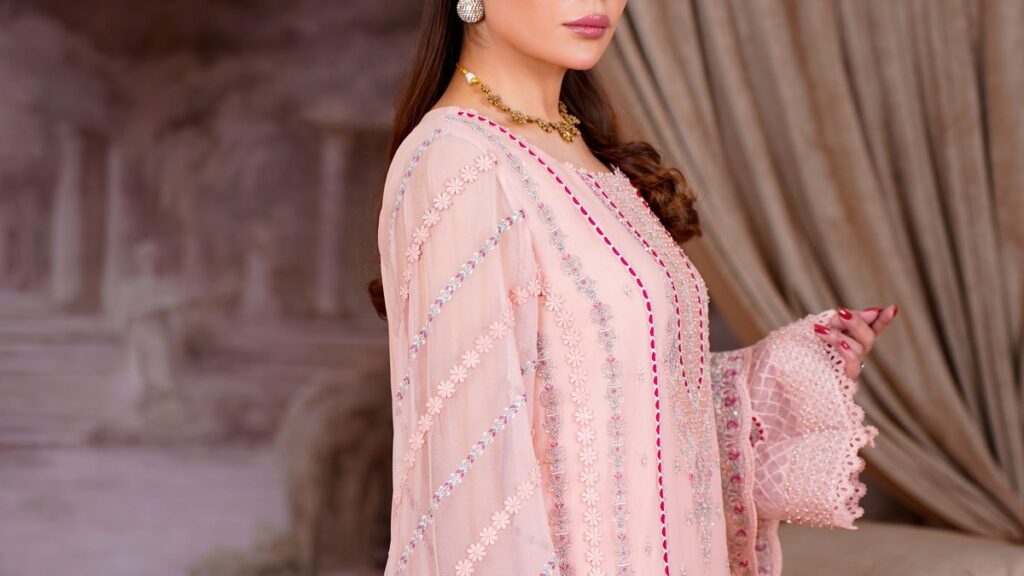
Hand embellished Pakistani shirts are a testament to the country’s rich cultural heritage and artistic excellence. These garments, with their intricate designs and exquisite craftsmanship, are more than just clothing; they are pieces of art that tell a story of tradition, skill, and beauty. Whether worn for special occasions or as part of everyday attire, they continue to captivate and inspire with their timeless appeal.
For those looking to add a touch of traditional beauty to their wardrobe, hand embellished Pakistani shirts for women are an excellent choice. Additionally, wholesale zari clothing brands offer a wide range of options, making it easier to find the perfect piece that reflects one’s personal style and appreciation for craftsmanship. By supporting these artisans and preserving their skills, we can help keep this beautiful tradition alive for future generations.
4 Proven Qualities to Look For in a Hand Embellished Pakistani Shirt
The first quality to check is the stitching on the back of the work. Turn the shirt inside out and look at the reverse side of the embroidery. On a true hand embellished shirt, the stitches will look slightly uneven, because a human hand made each one. The threads will also feel firm, and the knots will sit close to the fabric. If the back looks perfectly smooth and flat, like a printed picture, the work was probably done by a machine. A second sign is the fabric itself. Good hand work is done on strong fabric such as lawn, silk, chiffon, or organza, because weak fabric cannot carry beads, sequins, and heavy thread. Hold the shirt up to the light and check that the fabric has not pulled or torn around the design. A shirt that feels balanced in your hands, with no heavy bunching in one place, shows that the artisan planned the design with care.
The third quality is the choice of materials. Real zari thread has a soft shine that does not fade quickly, and real beads and stones are fixed with strong thread, not only with glue. Gently press a bead with your finger and see if it moves. If it wobbles or comes loose, the fixing is weak and the shirt will not last long. The fourth quality is the finish of the whole shirt. Look at the neckline, the sleeves, and the hem, because good makers finish every edge neatly. The lining should be smooth, the seams should be straight, and the embellishment should stop a short distance before the edge so it does not scratch the skin. When all four qualities are present, you can buy with confidence, and the shirt will look good for many years.
How to Spot a Fake Hand Embellished Shirt
Fake hand work is common in busy markets, so it helps to know the warning signs before you pay. One clear sign is a price that seems far too low for the amount of work on the shirt. Real hand embellishment takes many hours, and no skilled artisan can sell that work for a very small price. Another sign is a design that repeats exactly on every shirt in the shop. Hand work always has small differences, while machine work repeats the same pattern without any change. Check the loose threads as well, because a fake shirt often has glue marks, rough edges, and threads that pull out with a light tug. If the seller cannot tell you which craft was used, such as zardozi, gota patti, or mirror work, or cannot say where the shirt was made, treat that as a warning and look at other shops before you decide.
A simple test you can do in the shop is the touch test. Run your hand over the design and feel for depth. Real hand work rises from the fabric, and you can feel the separate beads, stitches, and metal threads. Machine work feels flatter and more even, even when it looks rich from a distance. Also look at the colour of the thread on the back of the shirt. Hand work often shows a mix of thread ends and small knots, while machine work shows a neat grid of stitches that looks the same in every part of the design. Ask for a closer look in daylight if you can, because shop lights can hide weak glue and dull stones. A trusted seller will not mind this check, and a good shop will often show you the same design at two price levels so you can compare hand work and machine work side by side.
Hand Work Compared With Machine Work
| Feature | Hand Embellished | Machine Embellished |
|---|---|---|
| Stitches | Slightly uneven, with small natural differences | Perfectly even, with the same pattern repeated |
| Time to make | Many hours or days of skilled work | Fast, with many shirts made in one day |
| Feel | Raised and textured, with depth you can feel | Flatter and smoother to the touch |
| Price | Higher, because of the skill and time involved | Lower, because the process is quick and repeated |
| Best for | Weddings, festive wear, and heirloom pieces | Daily wear and budget friendly outfits |
How to Care for a Hand Embellished Shirt
Good care starts with gentle washing. Dry cleaning is the safest choice for a heavily embellished shirt, because water, strong soap, and machine spinning can loosen beads and dull metal thread. If you must wash it at home, use cold water and a mild detergent, and wash it by hand without scrubbing the design. Never wring the shirt, because twisting pulls the threads and can tear the fabric around the work. Instead, press the water out gently with a clean towel and dry the shirt flat in the shade. Sunlight can fade bright colours and weaken silk, so keep the shirt away from direct sun while it dries.
Storage matters just as much as washing. Fold the shirt with soft tissue paper between the layers so the beads on one part do not catch on the fabric of another part. Keep it in a cotton bag or a clean cloth cover, and avoid plastic bags, because they trap damp air and can cause stains. Do not hang a heavy shirt on a thin wire hanger, because the weight will stretch the shoulders and pull the design out of shape. A wide padded hanger is better, and a folded shirt in a drawer is best for very heavy work. With this care, a hand embellished shirt can stay bright and strong for years, and it can even be passed on as a family piece.
How to Style a Hand Embellished Shirt for Different Occasions
Styling is simple when you let the embroidery lead the outfit. For a wedding or a formal dinner, pair a heavily embellished shirt with plain trousers and a plain dupatta, because too many patterns will fight with the hand work. Keep your jewellery simple as well, and choose small earrings and one bracelet rather than a full heavy set. For a festive family gathering, you can pair a medium embellished shirt with a lightly worked dupatta and soft makeup, which keeps the look rich without feeling too heavy. For a daytime event, choose a shirt with light work on the neckline and sleeves, and pair it with straight trousers and flat shoes. The aim in every case is balance, so the shirt stays the centre of the outfit and the rest of the look supports it rather than hiding it.
Frequently Asked Questions About Hand Embellished Pakistani Shirts
How can I tell if a shirt is hand embellished? Check the back of the work for slightly uneven stitches, feel the design for raised texture, and look for small natural differences in the pattern. Machine work is perfectly even and repeats without change, while hand work always shows the touch of the maker.
Are hand embellished shirts worth the higher price? Yes, when the work is real and the finish is good. You are paying for hours of skilled labour, strong materials, and a design that no other shirt will match exactly. A well made shirt also lasts longer and keeps its value as a special occasion piece.
Can I wash a hand embellished shirt at home? Light work can be hand washed in cold water with a mild detergent, but heavy work should go to a dry cleaner. Never use a washing machine, strong bleach, or a hot iron directly on the beads and thread.
Which fabric is best for hand embellishment? Lawn, silk, chiffon, organza, and raw silk are all good choices, because they are strong enough to carry the work and they drape well. The best fabric depends on the season and the occasion, so choose light lawn for summer and richer silk for winter weddings.
Final Thoughts
A hand embellished Pakistani shirt is more than a piece of clothing. It carries the skill of the artisan, the history of the craft, and the beauty of a culture that values careful work. When you learn to check the stitching, the materials, and the finish, you can buy with confidence and avoid the fakes that fill busy markets. Choose a shirt that suits your occasion, care for it gently, and store it well, and it will serve you for many years. In that way, every time you wear it, you keep a living tradition alive.