
Gematria Calculator: Convert Any Word or Name Into Its Numerical Value
You come across a name or phrase that keeps showing up in your life, maybe in a dream, a book, or a conversation, and you want to know its numerical value under gematria. Doing this by hand means memorizing letter-to-number charts and adding dozens of values manually, which is slow and easy to get wrong.
A gematria calculator instantly converts any word, name, or phrase into its numerical value using systems like Hebrew gematria, English gematria, or Jewish gematria. You type in your text, select a method, and the calculator returns the total value along with a letter-by-letter breakdown. This removes manual chart-lookup entirely and gives you an accurate result in seconds.
What Is Gematria and Why People Use a Calculator
Gematria is a system that assigns numerical values to letters, originally used in Hebrew texts to find numerical relationships between words and phrases. According to Wikipedia, gematria is a numerological system by which Hebrew or Aramaic words or phrases are assigned numerical value based on their letters.
The Origins of Letter-to-Number Systems
Ancient Hebrew scholars used gematria to find hidden connections between words that shared the same numerical value, treating equal totals as meaningful. This tradition later expanded into English gematria and other adapted systems used today.
Why Manual Calculation Is Error-Prone
Each letter carries a specific value depending on the system used, and Hebrew letters do not map directly onto English ones. Manually adding ten or more letter values, then converting between systems, is where most calculation mistakes happen.
How a Gematria Calculator Works
A calculator applies a fixed value chart to every letter you enter, then sums the total automatically based on the method you select.
Selecting a Gematria System
Common systems include Hebrew gematria, English gematria (also called Simple or Ordinal), Jewish gematria, and Pythagorean gematria. Each assigns different values to the same letters, so a name can produce several different totals depending on which system you choose.
Reading the Letter Breakdown
A good calculator does not just show a final number, it shows the value of each individual letter so you can see how the total was built. This breakdown is useful for comparing two words that share letters but produce different totals.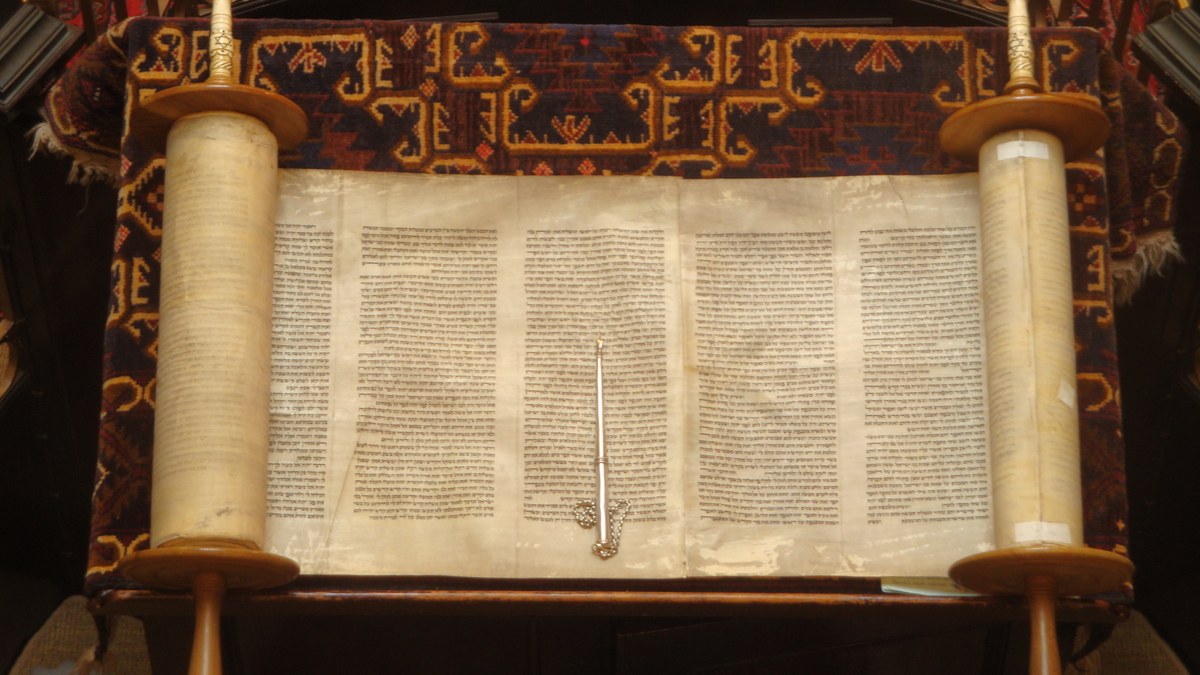
Step-by-Step Guide to Using a Gematria Calculator
Getting an accurate value takes just a few seconds once you know which method you want.
Entering Your Word or Phrase
Type the name, word, or phrase exactly as you want it evaluated, including spacing if the tool accounts for it. Some systems calculate spaces and punctuation differently, so consistency matters if you are comparing multiple phrases.
Choosing the Right Method for Your Purpose
If you are studying Hebrew texts, Hebrew gematria is the traditional choice. If you are working with English names or modern phrases, English or Jewish gematria is more commonly used for that purpose.
Gematria Calculator vs Manual Chart vs Numerology Calculator
These three approaches serve different needs depending on how deep you want to go.
| Method | Gematria Calculator | Manual Letter Chart | Numerology Calculator |
| Speed | Instant | Slow, manual addition | Instant |
| Multiple systems supported | Yes | Depends on chart used | Rarely |
| Best for | Words, names, phrases | Learning the letter values | Birth dates, life path numbers |
| Accuracy | High | Prone to human error | High for its own system |
If you are also interested in personal numbers rather than just words, a numerology calculator can complement gematria results by looking at birth date and name-based life path numbers.
Common Uses for Gematria Calculators
People use gematria for a range of reasons, from religious study to personal curiosity.
Comparing Names and Phrases
A frequent use is comparing two words or names to see if they share the same numerical value, which some believe points to a hidden connection. This comparison is much faster with a calculator than manually cross-referencing chart values.
Studying Religious and Historical Texts
Scholars and students sometimes use gematria to analyze biblical or Talmudic passages, looking for numerical patterns between related terms. A calculator speeds up this kind of textual research significantly compared to manual letter-by-letter analysis.
Choosing the Right Gematria Calculator Tool
Not all calculators support the same systems or level of detail, so it helps to know what to look for.
Features Worth Checking For
Look for a tool that supports multiple gematria systems, shows the letter-by-letter breakdown, and lets you compare two phrases side by side. Tools like the one on propheticnumbers.com offer this kind of multi-method comparison in a single interface.
Avoiding Inconsistent Results
Different calculators sometimes assign slightly different values to the same letters, particularly for less common systems. If you are doing serious comparative work, stick to one calculator consistently rather than switching between tools mid-analysis.
Final Thoughts
A gematria calculator turns a manual, chart-based process into an instant, accurate result across multiple numerical systems. It helps you compare names and phrases, study historical texts, and explore numerical patterns without doing the addition by hand. Choosing the right system for your purpose, Hebrew, English, or Jewish gematria, matters just as much as the calculation itself.
Frequently Asked Questions
What is the difference between Hebrew and English gematria?
Hebrew gematria uses the original Hebrew alphabet and values, while English gematria applies numerical values to English letters using adapted systems like Ordinal or Simple.
Is Jewish gematria the same as Hebrew gematria?
They are related but not identical, Jewish gematria is a specific English-letter adaptation, while Hebrew gematria uses the traditional Hebrew alphabet directly.
Can a gematria calculator handle full sentences?
Yes, most calculators can process phrases and sentences, not just single words, summing the value of every letter entered.
Do spaces and punctuation affect the total?
This depends on the calculator and system, some ignore spaces entirely while others factor them in, so results can vary slightly between tools.
Why do two different calculators give different results for the same word?
Slight variations in letter-value charts or system definitions between tools can produce different totals, even for the same input.
Is gematria considered scientifically accurate?
No, gematria is a traditional and symbolic system rather than a scientifically validated method, and results are interpretive rather than empirical.
What is Pythagorean gematria?
It is a numerology-influenced system that assigns values to letters based on a repeating 1 through 9 pattern, distinct from traditional Hebrew methods.
Can gematria be used for names as well as words?
Yes, names are one of the most common inputs, often used to compare personal names against other words or phrases.
Do I need to know Hebrew to use a gematria calculator?
No, most calculators accept English input and convert it internally, so no Hebrew knowledge is required for English or Jewish gematria systems.
Is there one correct gematria system to use?
No single system is universally correct, the right choice depends on whether you are working with Hebrew texts, English phrases, or numerology-based analysis.