
How Can I Change the Alarm Sound on iPhone: 7 Easy Steps to Avoid Silent Alarm Mistakes
[SNIPPET TARGET] To change the alarm sound on iPhone, open Clock, tap Alarms, tap the alarm time, tap Sound, choose a ringtone or song, then go back and save. Each alarm keeps its own sound, so repeat the steps for every alarm you want to change.
If you are asking how can I change the alarm sound on iPhone, the answer takes less than a minute. Open the Clock app, tap Alarms, tap the alarm time, tap Sound, and pick a ringtone or a song. Then go back and save the alarm, because leaving without saving keeps the old sound. The trick most people miss is that the volume and the Sleep Schedule use separate settings, and this guide covers those too.
Apple built the alarm into the Clock app, and it has stayed there through every iOS version. The steps look the same on iPhone 11 through iPhone 17. On iOS 26 and iOS 27, the save button is a check mark, while on iOS 18 and earlier, the button says Save. Apple reports that 79% of all iPhones were running iOS 26 as of June 7, 2026 (Apple, 2026).
ANSWER BOX 1
Change one alarm at a time. Open Clock, tap Alarms, tap the alarm time, tap Sound, and choose a ringtone or tap Pick a Song for music. Go back and tap the check mark to save. The new sound starts with the alarm’s next ring.
ANSWER BOX 2
A silent alarm is almost never the silent switch. Check three things first: the alarm’s Sound is not set to None, the Ringtone and Alerts slider in Settings is turned up, and Attention Aware Features is off. Apple confirms alarms ring through silent mode and Do Not Disturb (Apple Support, 2026).
KEY TAKEAWAYS
- Each alarm keeps its own sound, so change every alarm you care about.
- Pick a ringtone, a song from your music library, or a custom tone you made yourself.
- Sleep Schedule alarms use a different sound setting and cannot use songs.
- The alarm volume follows the ringer slider on iOS 26, but iOS 27 gives alarms their own slider.
- Silent mode and Do Not Disturb never mute a Clock alarm, so look at Sound and volume first.
Contents
- What Changing Your Alarm Sound Means
- The Sound-Check Method
- 7 Easy Steps
- Songs and Custom Tones
- Volume and Haptics
- Sleep Schedule Sounds
- 7 Mistakes
- More iPhone How-Tos
- Quick Answers: 5 Questions
- FAQ
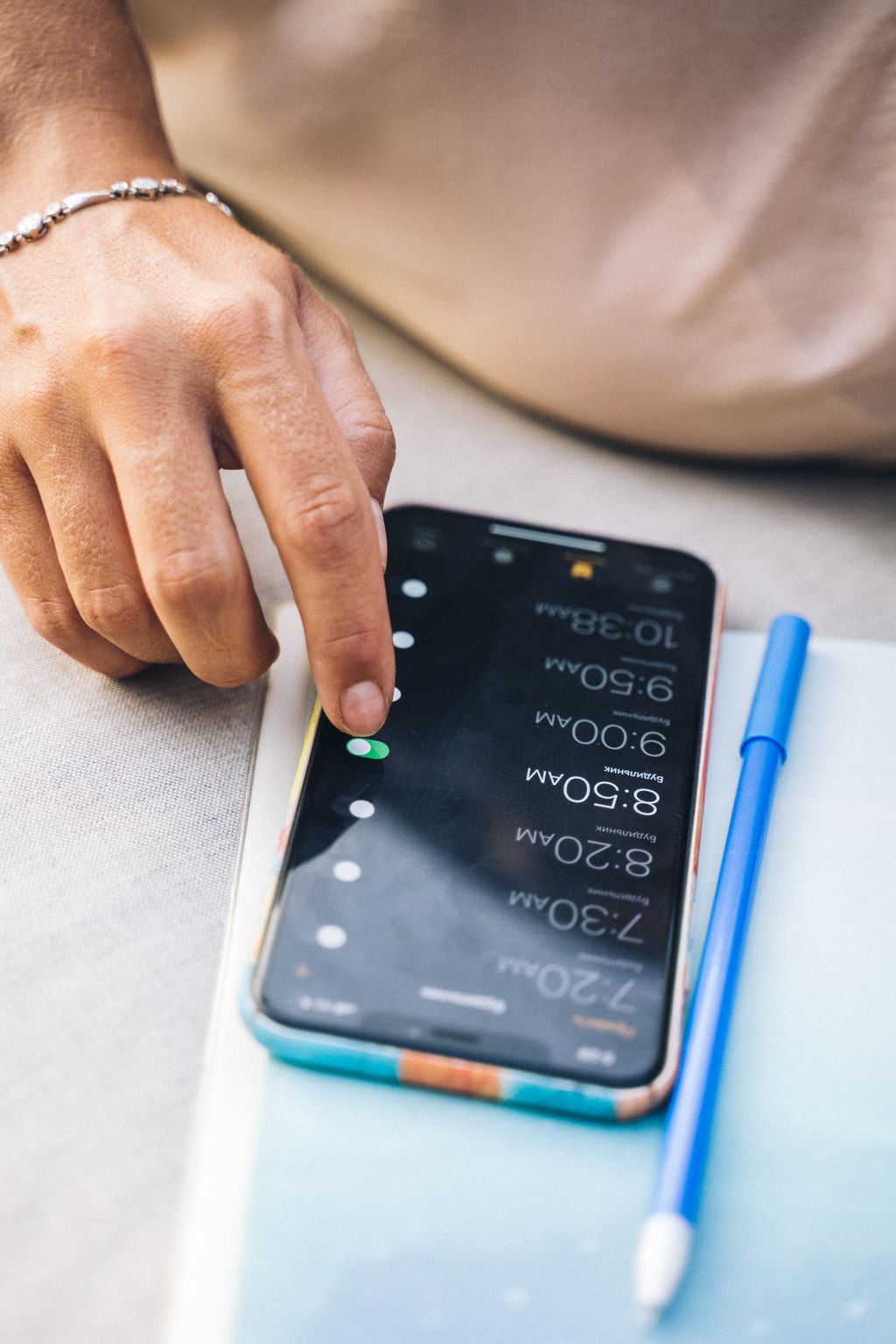
What Does Changing Your iPhone Alarm Sound Actually Mean?
An iPhone alarm sound is the tone, song, or vibration pattern that plays when a Clock alarm fires. It is set per alarm, not for the whole phone, so changing one alarm never changes the others. A ringtone is one of Apple’s built-in tones, such as Radar or Marimba. A song is a track from your music library, while a custom tone is a short audio file you turned into a ringtone.
The Sound setting lives inside each alarm’s edit screen, next to Repeat, Label, and Snooze. Tapping a tone plays a short preview at your alarm volume. The preview matters, because a gentle tone that sounds nice at noon may not wake you at 6 a.m. The Sound row shows the name of the current tone.
Many people confuse the alarm sound with the ringtone, and the mix-up causes real mistakes. Changing your ringtone in Settings changes the sound of incoming calls, not your alarms. Changing the alarm sound in Clock changes one alarm only, and it never touches your calls. If you want every alarm to share one tone, you must set it on each alarm by hand.
The Sound-Check Method: 4 Checks Before You Change Your Alarm Sound
The Sound-Check method is a simple routine to run before you change any alarm tone. It takes two minutes, and it stops the two most common errors: picking a tone you cannot hear, and changing the wrong alarm.
Check 1 is which alarm you actually use. Open Clock and tap Alarms. Many people have five or six alarms and only one of them is switched on. Tap the active one and read its Sound row. If it says Radar, that is the default tone.
Check 2 is your iOS version. Open Settings, tap General, then About, and read the iOS version. On iOS 26 and iOS 27, the alarm editor saves with a check mark. On iOS 18 and earlier, the save button says Save.
Check 3 is your volume. Open Settings, tap Sounds and Haptics, and look at the slider that controls alarms. On iOS 26 and earlier it is called Ringtone and Alerts, and on iOS 27 it sits under Alarms and Timers. If the slider is near the left end, even the loudest tone will sound faint.
Check 4 is whether the alarm belongs to a Sleep Schedule. A Sleep Schedule wake-up alarm looks like a regular alarm in the list, but it uses a different sound setting in the Health app. It cannot use songs, and its volume has its own slider. If your alarm sits under a bed icon, jump to the Sleep Schedule section below.
How Can I Change the Alarm Sound on iPhone: 7 Easy Steps
These seven steps cover a regular Clock alarm, and they take about one minute. Use the Clock app, not Settings, because the alarm sound lives inside each alarm. The steps work on iOS 26 and iOS 27.
Step 1: Open the Clock app and tap Alarms
Find the Clock app on your home screen and open it. Then tap Alarms at the bottom of the screen. The Alarms tab shows every alarm you have set, with its time, label, and switch.
Step 2: Tap the alarm time to open the editor
Tap the time of the alarm you want to change. If tapping the time does nothing, tap Edit first, then tap the alarm.
Step 3: Tap Sound to see the tone list
Tap Sound on the edit screen. The list starts with your custom tones, then Apple’s ringtones, then the Classic tones at the bottom.
Step 4: Tap a ringtone to preview it and pick it
Tap any ringtone to hear a short preview and select it at the same time. The preview plays at your alarm volume, so a quiet preview means a quiet alarm. Try three or four tones before you settle, and pick one that is loud and clear.
Step 5: Pick a song if you want music instead
Tap Pick a Song at the top of the Sound screen, above the ringtones. Search for the song you want, tap the plus button next to it, and the song becomes the alarm sound. The song must be downloaded on your phone, not only streamed.
Step 6: Go back to the alarm editor and check the Sound row
Tap the back arrow to return to the alarm editor. Read the Sound row to confirm it shows your new choice. This step is the one people skip, and skipping it is how alarms keep the old tone.
Step 7: Save the alarm with the check mark and test it tonight
Tap the check mark in the top-right corner to save on iOS 26 and iOS 27, or tap Save on iOS 18 and earlier. If you leave the editor without saving, the alarm keeps its old sound, and no warning tells you so. Then set a test alarm for two minutes from now and listen for the new tone.
How to Use a Song or a Custom Tone as Your iPhone Alarm Sound
A song alarm wakes you with music you chose, and a custom tone wakes you with any short sound you own. Both options sit inside the same Sound screen, but they need a little setup first. Pick the option that matches the audio you already have.
To use a song, open Clock, tap Alarms, tap the alarm time, and tap Sound. Tap Pick a Song at the top of the Sound screen, then search your music library for the track you want. Tap the plus button next to the song, go back, and save the alarm. The song must be downloaded to your phone, because a streamed track can fail when the network is weak at night.
To use your own audio file on iOS 26 or later, save the audio to the Files app first. In Voice Memos, for example, tap the recording, tap the More button, and choose Save to Files. Then find the file in Files, long press it, and tap Share, then Use as Ringtone. If the sound is longer than 30 seconds, your iPhone will ask you to trim it first.
On iOS 18 and earlier, or for longer files, use the free GarageBand app from Apple. Import the audio into GarageBand, trim it to 30 seconds or less, and share it as a ringtone. GarageBand puts the tone in the same Custom tones area. The 30-second limit is Apple’s rule for ringtones, so every method trims to the same length.
| Sound option | Where to set it | What you need | Best for |
|---|---|---|---|
| Built-in ringtone | Clock, Alarms, Sound | Nothing, it is already on the phone | A fast change with no setup |
| Song from your library | Clock, Alarms, Sound, Pick a Song | The song downloaded on the phone | Waking up to music you like |
| Custom tone from a file | Files, Share, Use as Ringtone, then Clock | An audio file under 30 seconds, iOS 26 or later | A voice memo, clip, or own recording |
| Custom tone with GarageBand | GarageBand, share as ringtone, then Clock | The free GarageBand app, iOS 18 or earlier | Longer files and older iPhones |
How to Change the Alarm Volume and Haptics on iPhone
The alarm sound and the alarm volume are two separate settings, and confusing them is the top reason alarms sound too quiet. The volume buttons on the side of your phone change media volume by default, not alarm volume. The real alarm volume lives in Settings, under Sounds and Haptics.
On iOS 27, open Settings, tap Sounds and Haptics, and look under Alarms and Timers. Turn off Match Ringtone Volume, then drag the alarm slider up to set a separate alarm volume. This is the first iOS version where alarms get their own slider. On iOS 26 and earlier, drag the slider under Ringtone and Alerts instead.
Haptics set the vibration pattern that plays with the sound, and you change them from the same Sound screen. Open the alarm, tap Sound, then tap Haptics at the top of the screen. Pick a pattern such as Heartbeat or Rapid, or choose None if you want sound only.
If your alarm still sounds capped, check the speaker Volume Limit in the same Settings menu. Under Built-In Speaker, tap Volume Limit and turn off Limit Maximum Volume, or drag its slider higher. Also turn off Reduce Loud Sounds under the same menu, because it can cap how loud the alarm gets.
| iOS version | Where the alarm volume lives | What it also changes |
|---|---|---|
| iOS 27 | Settings, Sounds and Haptics, Alarms and Timers slider | Nothing else, alarms get their own slider |
| iOS 26 | Settings, Sounds and Haptics, Ringtone and Alerts slider | Ringtone and alert volume too |
| iOS 18 and earlier | Settings, Sounds and Haptics, Ringtone and Alert Volume slider | Ringtone and alert volume too |
| Sleep Schedule alarm | Clock, Alarms, Change, Alarm Options, Alarm volume | Nothing else, only that schedule |
How to Change the Sleep Schedule Alarm Sound on iPhone
A Sleep Schedule alarm is not a regular Clock alarm, and it follows different rules. It is the wake-up alarm tied to your sleep schedule in the Health app, and it shows in Clock with a bed icon next to it. Its sound list holds gentle wake-up tones only, and it cannot use songs. Its volume has its own slider, separate from the ringer slider.
To change only the next Sleep Schedule alarm, open Clock, tap Alarms, then tap Change beside the sleep wake-up alarm. Scroll to Alarm Options, pick a new sound, and set the Alarm volume. Then tap the check mark and choose Change Next Alarm Only, so the recurring schedule stays as it is.
To change the recurring Sleep Schedule sound, open the Health app and tap Browse, then Sleep, then Sleep. Open your sleep schedule, tap Edit, and scroll to Alarm Options to pick the sound and set the volume. The change then applies to every morning the schedule runs.
| Feature | Regular Clock alarm | Sleep Schedule alarm |
|---|---|---|
| Where the sound is set | Clock, Alarms, Sound | Health app, Sleep, Alarm Options |
| Songs as alarm sound | Yes, with Pick a Song | No, gentle tones only |
| Volume control | Settings, Sounds and Haptics slider | Its own Alarm volume slider in Clock |
| Applies to | That one alarm only | Every morning the schedule runs |
| Change next one only | Edit the alarm | Clock, Alarms, Change, Change Next Alarm Only |
The Sleep Schedule sound list is shorter on purpose, because Apple designed it for a gentle wake-up. Tones such as Birdsong and Droplets rise slowly instead of blaring at full volume. If you want a loud song to wake you, use a regular Clock alarm instead of the Sleep Schedule alarm.
7 Mistakes That Make Your iPhone Alarm Silent
Mistake 1: Leaving the editor without saving. On iOS 26 and iOS 27 the save button is a small check mark in the top-right corner, and on iOS 18 it says Save. Leaving without tapping it keeps the old sound, and the phone gives no warning.
Mistake 2: Setting the Sound to None. A Sound of None makes the alarm vibrate only, with no tone at all. Open Clock, tap Alarms, tap the alarm, then tap Sound, and check that a ringtone or song has the check mark.
Mistake 3: Turning down the wrong volume. The side buttons change media volume by default, so a loud video at night can sit beside an alarm slider near zero. Open Settings, tap Sounds and Haptics, and drag the alarm slider past halfway.
Mistake 4: Blaming the silent switch. Apple states plainly that Do Not Disturb, the Ring/Silent switch, and Silent mode do not affect the alarm sound (Apple Support, 2026).
Mistake 5: Letting Attention Aware Features lower the volume. On iPhones with Face ID, Attention Aware Features lowers the volume of alerts when the TrueDepth camera sees you looking at the screen. Turn it off in Settings, then Face ID and Passcode.
Mistake 6: Using a streamed song that is not downloaded. A song alarm needs the track downloaded on the phone, and a streamed track can fail on a weak night-time network. Apple Music songs also stop working as alarms if the subscription lapses, and the alarm falls back to the default tone.
Mistake 7: Forgetting the phone was powered off. Alarms do not fire on a powered-off iPhone, and a battery that dies overnight is a silent killer. Charge the phone before bed, and keep it above 20% when you sleep.
More iPhone How-Tos From TechWole
Once the alarm sounds right, learn more iPhone settings. See how to remove yourself from a group text, our IMEI number iPhone guide, where do downloads go on iPhone, and how to send a voice message on iPhone.
Quick Answers: 5 Questions Readers Ask Before They Change an Alarm Sound
Q: Can I set a different alarm sound for each alarm?
A: Yes, each alarm keeps its own sound. Open the alarm, tap Sound, pick a tone, and save.
Q: Why does my alarm only vibrate with no sound?
A: The alarm’s Sound is set to None. Open the alarm, tap Sound, and pick a ringtone or song.
Q: Does silent mode stop my iPhone alarm?
A: No, silent mode, Do Not Disturb, and the Ring/Silent switch never stop a Clock alarm.
Q: Can I use a song as my iPhone alarm sound?
A: Yes, for a regular Clock alarm. Tap Sound, then Pick a Song, and choose a track downloaded on your phone.
Q: Why did my alarm sound change back to the default?
A: The song was removed from your library, or an Apple Music subscription lapsed. The alarm then falls back to the default tone.
How Can I Change the Alarm Sound on iPhone FAQ
How can I change the alarm sound on iPhone?
Open Clock, tap Alarms, tap the alarm time, tap Sound, and choose a ringtone or a song. Go back and save with the check mark, or Save on iOS 18 and earlier.
How do I change the alarm sound on iPhone for one alarm only?
Edit that one alarm in Clock, tap Sound, pick the new tone, and save. Other alarms keep their own sounds.
Can I use a song as my iPhone alarm sound?
Yes, for a regular Clock alarm. Tap Sound, then Pick a Song, and choose a track from your music library. The song must be downloaded on your phone.
How do I set a custom alarm sound on iPhone?
On iOS 26 or later, save the audio in Files, long press it, and tap Share, then Use as Ringtone. On iOS 18 and earlier, use the free GarageBand app to make the tone. Then pick it from Custom tones in the alarm Sound list.
How do I change the alarm volume on iPhone?
On iOS 27, open Settings, tap Sounds and Haptics, and use the slider under Alarms and Timers. On iOS 26 and earlier, use the slider under Ringtone and Alerts in the same menu.
Why is my iPhone alarm so quiet?
The alarm slider in Settings is low, or Attention Aware Features lowered the volume when you looked at the screen. Raise the slider in Sounds and Haptics.
Does the iPhone alarm sound on silent mode?
Yes, the alarm rings even with the Ring/Silent switch or Action button set to silent, and in Do Not Disturb or Sleep Focus. Apple confirms that silent mode does not affect the alarm sound (Apple Support, 2026).
Why is my iPhone alarm not making sound?
The alarm’s Sound is set to None, the volume slider is near zero, or Attention Aware Features lowered it. Check Sound in the alarm editor first, then the slider in Settings.
How do I change the Sleep Schedule alarm sound on iPhone?
Open the Health app, go to Sleep, open your schedule, and change the sound under Alarm Options. Sleep Schedule alarms cannot use songs. To change only the next morning, use Change beside the alarm in Clock.
Can I change all iPhone alarm sounds at once?
No, there is no setting that changes the sound of every alarm at once. New alarms start with the default tone, so set the sound as you create each one.
What is the best alarm sound on iPhone for heavy sleepers?
A tone that rises in volume, such as Slow Rise, or a loud song you cannot sleep through, works best. Set the alarm volume past halfway in Settings.
How do I change the vibration for my iPhone alarm?
Open the alarm, tap Sound, then tap Haptics at the top of the screen. Pick a pattern such as Heartbeat or Rapid, or choose None for sound only.
Final Word
Pick the tone in Clock, save with the check mark, and set the volume in Settings. Check the Sound row, run a two-minute test alarm, and fix the Sleep Schedule separately if you use one. A tone you can hear, a volume past halfway, and a saved alarm are all it takes.
Read more about the iPhone on Wikipedia: https://en.wikipedia.org/wiki/IPhone